What Are Standby Flights?
Standby flights are a flexible, albeit unpredictable, travel option that allows passengers to board a flight without a confirmed seat. This system is most commonly utilized by airline employees, their family members, and ticketed passengers hoping to switch to an earlier or more convenient flight. At its core, flying standby means waiting for an unoccupied seat—whether due to a no-show, a last-minute cancellation, or an unsold seat—and being placed on a waitlist to potentially claim that spot.
The allure of standby lies in its spontaneity and cost-saving potential. However, this mode of travel requires patience, adaptability, and often, insider knowledge of how airline systems work.
How Do Standby Flights Work?
Flying standby is not as simple as showing up and asking for a seat. In nearly all cases, passengers must hold a valid ticket—often for a later flight the same day—and request to be placed on a standby list. Each airline has specific policies and procedures, and the passenger’s priority on that list may depend on a range of factors:
-
Elite status within the airline’s frequent flyer program
-
Ticket class, with full-fare passengers generally given higher priority
-
Time of check-in, where earlier requests are typically favored
Some airlines also allow customers to join standby lists online or via mobile apps, while others require in-person check-ins at kiosks or counters.
Same-Day Confirmed vs. Same-Day Standby
While often confused, same-day confirmed changes and same-day standby are fundamentally different. Same-day confirmed means you secure a seat on an alternate flight ahead of time, often for a fee ranging from $25 to $75, depending on the airline. Standby, however, offers no seat guarantee and is typically free or low-cost, subject to the availability of open seats at departure time.
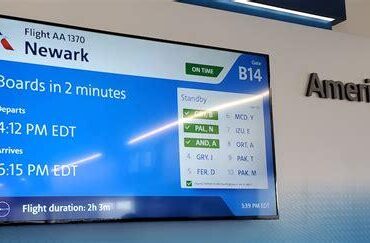
Passengers opting for standby are essentially placed in a holding queue. If seats become available—due to cancellations, upgrades, or missed connections—agents assign them to standby passengers in order of priority.
Who Can Fly Standby?
Standby flights are not universally available to all passengers. Eligibility is shaped by one’s relationship to the airline and the type of ticket purchased:
-
Airline employees and their families: Typically enjoy deeply discounted or free standby travel, though they are last in the boarding hierarchy.
-
Regular passengers: May request standby on earlier flights the same day, but often must pay a fee unless their ticket allows it or they hold elite frequent flyer status.
-
Missed flight passengers: Sometimes allowed to standby for a later flight on the same day, particularly when the missed flight was due to airline-controlled delays.

Cost of Standby Flights
The cost of flying standby varies depending on airline policies, the class of ticket, and the traveler’s loyalty status. Some key pricing considerations include:
-
Delta Air Lines may charge up to $75 for a same-day confirmed change, but may allow free standby on U.S. domestic routes.
-
United Airlines offers free standby within 24 hours of departure for all fare types.
-
American Airlines provides free standby for all AAdvantage members on earlier same-day flights.
-
JetBlue charges $75 unless you’re a Mosaic member.
-
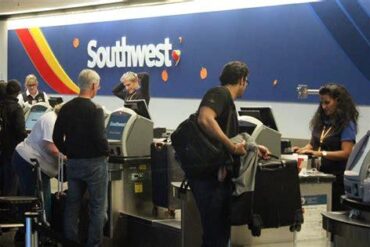
Southwest Airlines allows all fare types to standby for free on same-day flights.
While some airlines advertise “free standby”, it’s essential to verify eligibility based on your fare class and booking terms.
Benefits of Flying Standby
Despite its uncertain nature, standby travel holds unique advantages for those willing to embrace its unpredictability:
-
Increased Flexibility: Ideal for travelers with open schedules or last-minute plan changes.
-
Lower Travel Costs: Particularly beneficial for airline staff and their families.
-
Earlier Arrivals: When lucky, passengers can arrive at their destination hours earlier than originally scheduled.

Drawbacks of Standby Flights
Standby isn’t for the faint-hearted. The major disadvantages include:
-
No Guarantee of Boarding: You may be left waiting hours or even days during busy travel seasons.
-
Lower Boarding Priority: Standby passengers are the last to board after confirmed and upgraded passengers.
-
Increased Stress: Not knowing your travel fate until the last minute can be emotionally and logistically taxing.
Maximizing Your Chances of a Standby Seat
To improve your odds of securing a standby seat, follow these strategic tips:
-
Arrive Early: The sooner you check in, the higher your spot on the standby list.
-
Travel Light: Carry-on baggage makes quick boarding easier and faster.
-
Avoid Peak Times: Steer clear of weekends, holidays, and Mondays.
-
Monitor Flight Loads: Use airline apps or insider tools if you’re an airline employee.
-
Know Your Rights: Be familiar with your airline’s terms and conditions for standby travel.
Standby Policies by Major Airlines
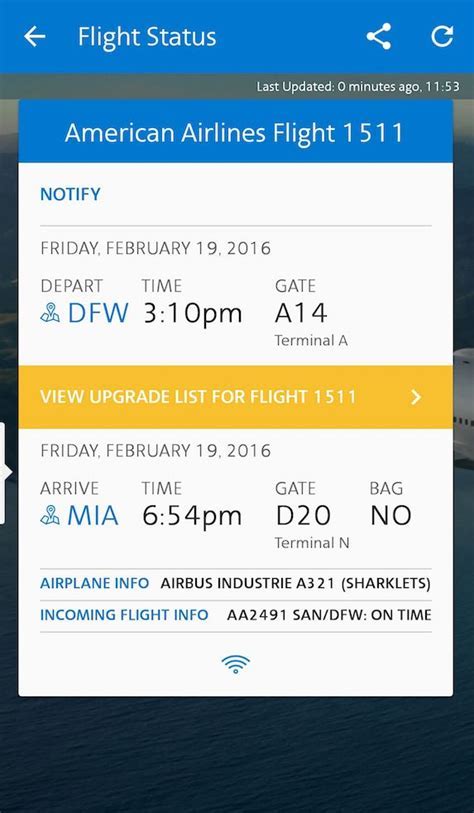
Each carrier enforces different rules and conditions regarding standby travel:
Delta Air Lines
-
Standby allowed when same-day confirmed changes are unavailable.
-
Applies to flights within the U.S., Puerto Rico, and U.S. Virgin Islands.
-
Basic Economy fares and most international routes are not eligible.
United Airlines
-
Offers free same-day standby for all passengers.
-
Priority goes to United Premier status holders.
American Airlines
-
AAdvantage members can standby for earlier flights for free.
-
Only elite status holders can request standby for later flights.
Southwest Airlines
- All passengers are eligible for same-day standby at no cost.
JetBlue
-
Charges $75 for standby unless the traveler is a Mosaic loyalty member.
-
Standby only allowed between same city pairs, and not for Blue Basic fares.
The Future of Standby Travel
In a world increasingly dominated by digital convenience and automated services, standby travel remains a holdout of analog spontaneity. But technological improvements—such as real-time app-based standby lists and loyalty-tier integrations—have begun to modernize the experience. Airlines are gradually making standby options more transparent and accessible, particularly for frequent flyers and elite status holders.
Still, as airlines continue to tighten profit margins and overbook popular routes, the number of available standby seats could decline. This makes knowing the rules—and how to exploit every edge—all the more important.
FAQs About Standby Flights
Can you pre-book standby flights?
No, standby seats cannot be pre-booked. You can usually only request standby status within 24 hours of your original scheduled flight. Most airlines offer standby registration through their mobile apps, airport kiosks, or customer service counters.
What happens if you don’t get on a standby flight?
If you miss the standby flight, you retain your original ticket and can attempt to standby on a later one. For non-revenue airline staff, repeated standby attempts may be permitted, depending on availability.
Are standby flights free?
Not always. Cost depends on multiple factors—airline policies, fare class, and loyalty status. Airline employees typically fly standby at a heavily discounted rate, while regular passengers may need to pay a same-day change fee unless they hold elite status or a flexible ticket.