Flying standby refers to the process where passengers attempt to board a flight without having a confirmed seat. While this might seem like a relic from a pre-9/11 era, standby tickets are still used by a variety of travelers, from airline employees to business professionals looking to change their flight plans. In this article, we explore what standby flights are, how they work, and who benefits from them.
What Is a Standby Flight?
A standby flight allows a passenger to attempt to get on a flight without having a confirmed reservation. In other words, passengers who are on standby are essentially waiting for an available seat. However, this can be more complicated than simply showing up at the airport and hoping for the best.
Unlike regular ticketed passengers, those on standby are not guaranteed a seat, even if the flight has empty spaces. Standby passengers have to wait for available seats after all confirmed ticket holders have boarded. Once everyone with a guaranteed reservation has checked in, standby travelers are offered any remaining seats.
Types of Standby Travelers
Not everyone can be a standby passenger, and the policies vary depending on the airline. Some categories of travelers are more likely to get standby seats than others. Here’s a breakdown of the main types of standby travelers:
1. Airline Employees and Their Families
The most common group flying standby are airline employees or their families. As part of employee benefits, airlines provide these individuals with discounted or free flights. However, these tickets do not guarantee a seat, meaning the employees or their families must rely on availability to board the plane. Airlines usually prioritize their employees over other standby travelers, but it’s not uncommon for these travelers to get bumped from flights.
2. Ticketed Passengers Who Missed Their Flights
If a passenger misses their flight, they may be placed on standby for later flights. This is common for passengers who were bumped from a flight due to overbooking, or who had their flight canceled for various reasons, such as weather delays or mechanical issues. In such cases, passengers are typically rebooked on a later flight, but they may also opt to try their luck with standby if they want to leave earlier.
3. Business Travelers Looking for an Earlier Flight
Business travelers may find standby especially useful. Many business people book tickets for later flights but show up early at the airport, hoping to get a seat on an earlier flight if there’s room. Airlines sometimes offer these travelers priority over non-ticketed standby passengers, especially if there is a clear need to get to their destination sooner.
4. General Passengers Willing to Take a Chance
Some travelers simply choose to fly standby for the thrill of it, or because they are looking for a cheaper alternative. For example, if a flight is overbooked, passengers might volunteer to be placed on standby in exchange for compensation or flight vouchers. While the likelihood of getting on a standby flight may be low, it can also be a cost-effective way of traveling if you’re willing to take the risk.
How to Get on a Standby List
In order to fly standby, a traveler must first check with the airline. If you have a ticket, you can go to the ticket counter or the gate and ask to be placed on the standby list. For non-ticketed passengers, some airlines may require you to pay a nominal fee for standby privileges.
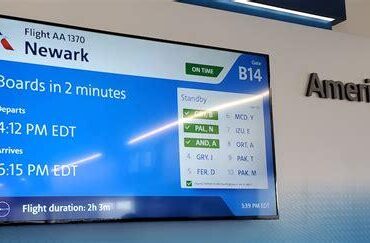
Typically, you’ll need a boarding pass for your originally booked flight, but airlines issue a special standby boarding pass for you to proceed through security and board the flight. The process is a bit more complicated if you’re a non-ticketed passenger. Once you go through security, you need to remain near your gate and await your chance to board.
Priority for Standby Passengers
Not all standby passengers are treated equally. Airlines often prioritize passengers based on their ticket status, loyalty status, and the reason they are flying standby. For example, airline employees usually have the highest priority, followed by ticketed passengers who have missed or been bumped from their flight. Passengers traveling on discounted or free tickets (including family members) will generally have lower priority than paying customers.
Can You Bring Baggage on a Standby Flight?
When flying standby, bringing checked luggage can be tricky. Since you’re not guaranteed a seat on the plane, there’s a chance that your checked baggage will be left behind if you’re not able to board the flight. The airline may have a policy where your checked bags are removed from the plane if you’re not on board. If you’re allowed to board the flight, your baggage will likely be sent to your destination as well. If you’re planning to fly standby, it’s often a good idea to travel light with carry-on luggage.
How Likely Are You to Get a Seat on Standby?
The chances of getting a seat on a standby flight depend on a variety of factors. If the flight is near capacity, your chances of getting on the flight are slim. However, if there are empty seats, your chances increase. For example, flights with few bookings or those taking off during off-peak hours may have more availability for standby passengers.
Additionally, your position on the standby list plays a role in whether you will get a seat. If you’re near the top of the list, your chances are better than if you’re farther down. As mentioned earlier, some airlines give priority to employees, while others give priority to paying passengers who missed their flight.
Risks of Flying Standby
While flying standby can be an exciting and potentially cost-effective option, there are a number of risks involved. These include:
- Missed Flights: There’s always a chance that you won’t make it onto your standby flight. You may end up being stuck at the airport for hours or even overnight while waiting for the next available flight.
- Inconvenience: Flying standby is often a game of waiting, and it’s not guaranteed that you’ll make it onto a flight in a reasonable timeframe.
- No Guarantee of Comfort: Even if you manage to get a seat, it might not be in the most comfortable location. If there are empty seats, they may be in the back of the plane or in the middle rows.
Alternatives to Standby Flying
For those looking for flexibility without the risk, some airlines offer options such as “Basic Economy” tickets, where you purchase a seat but the location is assigned at the gate. Although this isn’t the same as flying standby, it allows you to take advantage of unclaimed seats, sometimes at a lower price.
Additionally, some airlines have programs where passengers can opt to be placed on a “flexible” ticket. These tickets allow you to change your flight within certain time frames without the need for a standby seat.
Final Thoughts on Standby Flights
Standby flights may be an appealing option for travelers who have flexible schedules and are comfortable with the uncertainty that comes with waiting for a seat. Whether it’s to catch an earlier flight or to take advantage of discounted fares, standby can be a viable choice for the right kind of traveler. However, it’s important to understand that standby flights come with their own set of challenges, including the possibility of being stuck at the airport for hours or not getting on the flight at all.
In summary, if you’re flying standby, be prepared for uncertainty, but if you’re lucky, it could lead to an adventure of its own. Safe travels!