Airline fare categories can seem overwhelming, especially when you’re trying to choose between the myriad of options available for your next trip. Understanding the differences between First Class, Business Class, Premium Economy, and Economy Class can help travelers make informed decisions that align with their needs, preferences, and budget. Airlines have designed a system where different fare categories offer varying levels of service, flexibility, and comfort. Each class offers unique features, from basic, affordable seats to luxurious, high-end experiences. This comprehensive guide will delve into the details of airline fare categories, explaining their core differences, price points, benefits, and limitations.
1. First Class: The Pinnacle of Luxury and Comfort
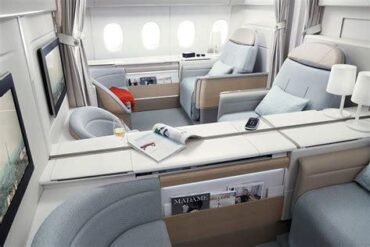
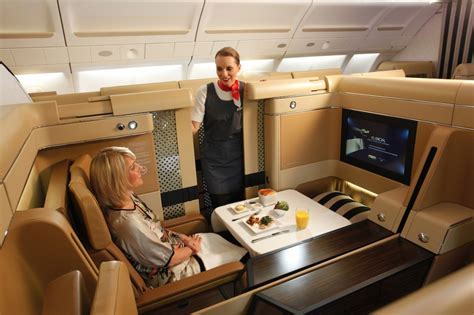
First Class is often seen as the gold standard of air travel, providing the highest level of service and comfort available. It is synonymous with exclusivity, offering not just a seat but a premium travel experience. First-class passengers enjoy access to some of the most luxurious amenities on the market, from private suites to gourmet meals.
In addition to the extravagant seat options, first-class travelers also benefit from priority check-in, dedicated security lines, access to exclusive airport lounges, and priority boarding. The seats themselves are often the most spacious, reclinable, and equipped with the latest technology to ensure maximum comfort.
Many airlines provide bed-like seats, offering full recline to help passengers rest during long-haul flights. Enhanced in-flight entertainment systems, fine dining options prepared by top chefs, and personalized services are common features that make First Class a highly sought-after choice for those who value luxury in their travels.
Price Range: Typically, First Class tickets are the most expensive, often starting from several thousand dollars, depending on the destination and airline. However, the prices can fluctuate based on factors such as booking timing, availability, and the route.
2. Business Class: Comfort and Convenience for the Modern Traveler
Designed with the needs of business travelers in mind, Business Class strikes a balance between comfort, service, and price. Though not as luxurious as First Class, it still offers a significant upgrade over Economy Class. Business Class is ideal for those who require both comfort and functionality during their journey.
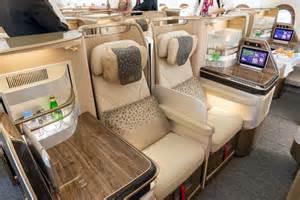
Business Class seats are typically wider than Economy Class and provide more legroom and recline options. They may also feature lie-flat seats or at least angled recliners for more restful sleep during long flights. Passengers in Business Class are offered priority check-in and boarding, as well as access to premium lounges at airports.
Onboard, Business Class passengers are often treated to complimentary meals, premium beverages, and entertainment options. The level of service and attention to detail aims to ensure a comfortable and productive environment, allowing passengers to work, relax, or even sleep without the disturbances common in Economy Class.
Business Class tickets are generally more expensive than Economy, but they offer a range of flexible options. Some airlines also offer business class lounges for additional convenience and comfort.
Price Range: Business Class fares typically range from several hundred dollars to a few thousand, depending on the route, time of booking, and the airline.
3. Premium Economy: The Middle Ground for Extra Comfort
Premium Economy is a relatively recent addition to many airlines’ fare categories, offering a middle ground between Economy and Business Class. Premium Economy is particularly attractive to travelers who want more comfort and space without the hefty price tag associated with Business or First Class.
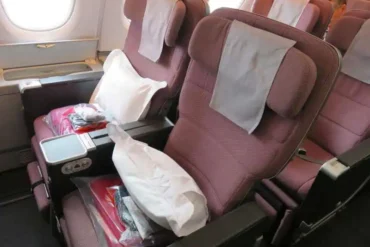
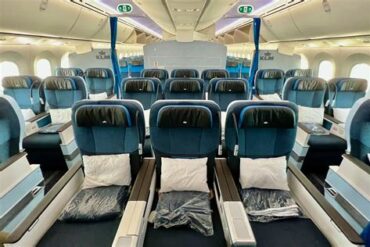
Seats in Premium Economy tend to offer more legroom, wider seat widths, and greater recline than those in standard Economy. Travelers can expect a better seat pitch, allowing for a more comfortable experience, especially on long-haul flights. Premium Economy passengers also benefit from enhanced meals, better in-flight entertainment, and priority boarding, though they may not have access to business-class lounges or the full range of Business Class amenities.
The pricing for Premium Economy is higher than Economy but generally more affordable than Business Class, making it an excellent option for those seeking extra comfort without breaking the bank.
Price Range: Premium Economy tickets generally fall somewhere between Economy and Business Class, with prices starting from a few hundred dollars and increasing based on route and airline.
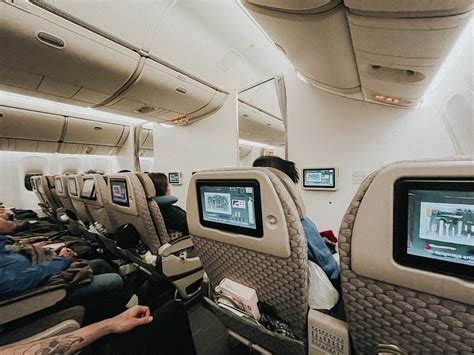
4. Economy Class: The Standard Option for Budget Travelers
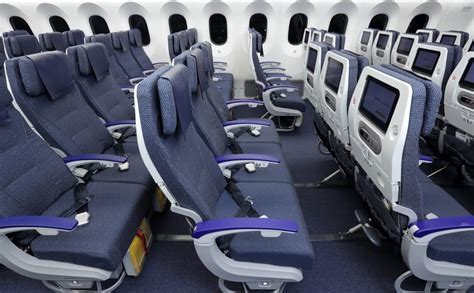
For many travelers, Economy Class is the most practical and cost-effective option when flying. Economy tickets are typically the most affordable, offering basic amenities with a focus on getting passengers from point A to point B. It’s ideal for budget-conscious travelers, students, and those who don’t require extra comfort or amenities.
Seats in Economy Class are usually smaller, with less legroom and recline than higher classes. Basic meals or snacks are often provided, and in-flight entertainment options are available, but they may be more limited compared to Business or First Class. On some airlines, passengers in Economy may also be required to pay extra for things like seat selection, checked baggage, or meals.
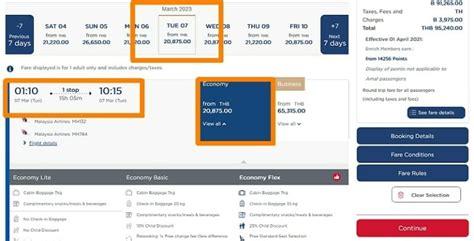
There are different fare options within Economy, such as Basic Economy, Main Cabin, and sometimes Economy Plus, with varying levels of service and flexibility.
Price Range: Economy fares are the most affordable, generally starting from the lowest possible rates for short-haul flights and increasing for longer flights or premium Economy options.
5. Fare Categories within Economy Class: Basic Economy vs. Main Cabin
Within the broad category of Economy Class, airlines have begun to introduce more specialized fare options, primarily Basic Economy and Main Cabin fares.
Basic Economy fares are the lowest-priced options available, often with significant restrictions. These fares typically come with no flexibility for changes or cancellations, no free seat selection, and may have restricted or no baggage allowances. Additionally, passengers may have to board last and receive limited in-flight service. Basic Economy is designed for travelers who prioritize the lowest possible price above all other factors.
In contrast, Main Cabin fares offer a more flexible experience, with standard seating, seat selection, and better access to in-flight amenities. Main Cabin passengers typically have the option to select seats in advance, bring more baggage, and enjoy more flexibility for changes or cancellations.
The key difference is that Basic Economy is an option for travelers who are willing to compromise on convenience in exchange for a cheaper ticket, while Main Cabin provides a more standard Economy experience.
6. Factors Affecting Airline Fare Categories
While the core categories (First Class, Business, Premium Economy, and Economy) are the most prominent, airlines often use various factors to further categorize fares. These include:
- Booking Requirements: Certain fare classes may require passengers to book in advance or commit to specific flight times.
- Minimum Stay Requirements: Some airlines offer discounted fares that require passengers to stay a certain number of days at the destination.
- Special Promotions: Airlines may offer temporary sales or promotions that provide discounted fares within a specific class, with or without additional perks.
- Flexibility: Full fares typically offer greater flexibility for changes or cancellations, while discounted tickets are often non-refundable or subject to fees.
Understanding these additional variables can help travelers navigate the often complex world of airline pricing.
Conclusion: Choosing the Right Airline Fare for Your Needs
Choosing the right airline fare category depends on a variety of factors including budget, trip duration, desired comfort level, and flexibility needs. Whether you’re flying for business or leisure, there is an option tailored to your specific needs. First Class offers unmatched luxury, while Business Class provides premium comfort without breaking the bank. Premium Economy strikes a balance between comfort and cost, while Economy Class remains the best option for budget-conscious travelers.
The key is to consider what matters most to you—whether it’s price, comfort, or flexibility—and choose the fare category that aligns with those priorities. The more you understand the nuances between each category, the better equipped you’ll be to make an informed decision and enhance your travel experience.