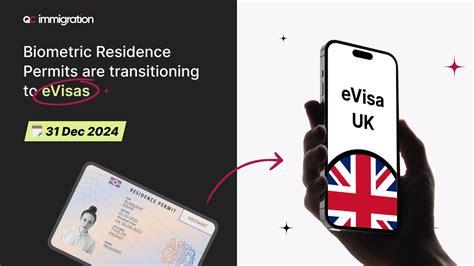
Starting June 15, 2025, the United Kingdom has officially transitioned from traditional visa vignette stickers to a fully digital eVisa system for work and student visa holders, marking a historic evolution in British immigration policy. This major shift, led by the UK Home Office, aims to streamline travel, reduce visa processing delays, and modernize immigration records through digital platforms.
The End of Visa Stickers: A Digital Migration Milestone
The replacement of physical visa stickers with a digital immigration record, known as the eVisa, signifies a comprehensive overhaul of the UK’s border and immigration infrastructure. All individuals applying under relevant visa categories will no longer receive vignette stickers in their passports. Instead, their immigration status will be securely stored and accessible online via a UK Visas and Immigration (UKVI) account.

This change not only reflects the UK’s broader shift toward paperless administration, but also enhances the security and accessibility of immigration data. Travelers will now manage their visa status digitally, linked directly to their valid passports, eliminating the traditional bottlenecks associated with courier delays, biometric residence permits (BRPs), or physical documentation errors.
Visa Categories Impacted by the eVisa Transition
The eVisa rollout affects a range of non-European Economic Area (EEA) nationals under the following visa types:
- Skilled Worker Visa, including applicants in Health and Care sectors
- Global Talent Visa
- Global Business Mobility Visa
- International Sportsperson Visa
- Temporary Worker Visa (e.g., Seasonal, Creative, Government Authorised Exchange)
- Youth Mobility Scheme Visa
- Student Visa
By removing the need for physical passport submission and sticker placement, the UKVI has dramatically accelerated the application timeline and reduced opportunities for document mishandling or fraud.
Accessing and Using the UKVI eVisa System
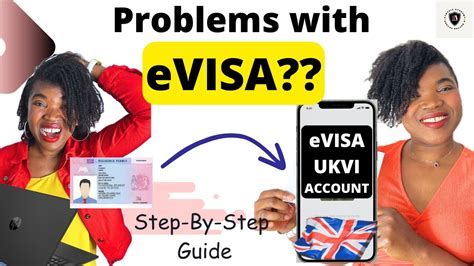
At the core of this new process lies the UKVI digital account, which functions as a personalized portal for visa holders. Once approved, applicants can log in to:
- View their immigration status, visa category, and expiration date
- Update passport details or personal information
- Generate and manage ‘S’ share codes to authorize third-party checks
- Review travel history and compliance updates
The share code system is pivotal. It allows visa holders to digitally present their status to employers, landlords, educational institutions, or immigration officers. Each code is time-limited, ensuring data privacy while maintaining procedural transparency.
Entry Requirements and Travel Preparation for eVisa Holders
Travelers must take the following steps to ensure successful entry into the UK:
- Link the eVisa to a valid passport through their UKVI account.
- Carry the linked passport while traveling.
- Present the UKVI share code if requested at the border.
- Verify that all personal information is accurate in the digital account.
Failure to comply with any of these steps, particularly the passport linkage, may result in boarding denial or entry refusal at the UK border.
For individuals under 18, parents or guardians are responsible for managing the eVisa and ensuring the digital credentials are correctly maintained and accessible.
Implications for Employers in the United Kingdom
UK employers are also significantly impacted by the digital migration. As of June 15, they must shift their right-to-work verification processes entirely online.
- Employers will use the UKVI system to confirm an individual’s legal right to work.
- Physical documents, such as Biometric Residence Permits (BRPs) or visa stickers, will no longer be valid proof.
- Dependent verification must also be conducted digitally, aligning with primary applicant statuses.
This transition improves the efficiency and accuracy of work eligibility checks while mitigating the risks of document forgery or human error during hiring procedures.
How the eVisa System Enhances Immigration Security and User Experience
Security and ease-of-use are at the heart of this digital reform. The centralized platform not only simplifies the user journey but also enables the Home Office to:
- Detect fraudulent applications more effectively
- Cross-check traveler data against border security databases in real time
- Provide applicants with 24/7 digital access to their immigration credentials
Visa holders no longer need to fear lost documents, smudged ink stamps, or expired cards. Their immigration proof is now digital, trackable, and transferable across UK institutions.
Special Cases: ILR, ILE, and the Windrush & EU Settlement Schemes
For individuals with Indefinite Leave to Remain (ILR) or Indefinite Leave to Enter (ILE), the digital shift offers a path to convert outdated, physical status documentation into an eVisa.
Eligible applicants should apply for a No Time Limit (NTL) eVisa, which will modernize their immigration proof while preserving all existing rights.
Additionally, those under the Windrush Compensation Scheme or the EU Settlement Scheme may transition to eVisas. This aligns with the government’s ambition to unify all immigration statuses under a singular, digital infrastructure.
Key Benefits of the eVisa Revolution
The digital transformation offers a range of advantages for travelers, visa holders, and administrative entities alike:
- Faster application approvals and fewer in-person requirements
- No need for physical document shipments, reducing courier delays
- Improved privacy and security through password-protected digital portals
- Real-time data updates and compliance tracking
- Simplified onboarding for international students and employees
Ultimately, this shift reflects the UK’s ongoing efforts to remain competitive on the global stage, offering a frictionless experience for the talented professionals, students, and skilled workers it seeks to attract.
Potential Challenges and User Responsibilities
Despite the clear advantages, the success of this system will rely heavily on individual responsibility. Users must:
- Keep their passport details updated in their UKVI account
- Routinely check the accuracy of their digital visa status
- Securely store their login credentials and share code access
The UK government has provided detailed guides and dedicated customer service lines to assist users during the transition phase. However, individuals unfamiliar with digital platforms may require support, especially those from rural or low-digital-access regions.
What Lies Ahead: The Future of UK Immigration
This bold move toward full digitalization is just the beginning. The UK government has signaled plans to further automate immigration services in the coming years, potentially integrating:
- AI-assisted status tracking and document verification
- Mobile app-based identity recognition for faster entry
- Biometric-linked eVisas for even greater security
The eVisa system’s rollout marks a defining moment in the modernization of British immigration. It serves not only as a technological leap forward but as a statement of the UK’s intent to welcome global talent efficiently, securely, and transparently.
Conclusion: A New Era for Travelers and Stakeholders
The UK’s June 15 digital eVisa launch is more than a policy change—it is a full-scale transformation of how immigration is managed, accessed, and experienced. For global travelers, students, and skilled professionals, the benefits are immediate: reduced paperwork, greater control, and a seamless travel experience.
For employers, schools, and housing providers, the shift means faster background checks and fewer documentation hurdles. But with greater convenience comes a need for vigilance. Users must ensure the accuracy and currency of their digital data at all times.
As the world embraces digital identity solutions, the UK has positioned itself at the forefront of immigration innovation—establishing a system that is secure, scalable, and user-centric.