The geography of the United States quietly dictates one of the most fascinating realities in global aviation: some domestic flights rival, and even exceed, international long-haul journeys. In 2026, travelers can board a plane in the continental US and remain airborne for nearly half a day without ever crossing a national border. These routes are not just long—they are strategic, economically significant, and engineered to stretch both aircraft capabilities and passenger endurance.
What makes these routes particularly compelling is the interplay between geography and demand. Hawaii, isolated deep in the Pacific Ocean, serves as the gravitational center for the longest domestic flights. Meanwhile, Alaska and cross-country routes add further complexity, but none match the sheer distance of flights connecting the East Coast to Honolulu. Airlines have responded with carefully selected widebody aircraft, optimized cabin configurations, and seasonal adjustments that reflect shifting passenger flows.
Beyond the raw numbers, these routes tell a story about how Americans travel: where they vacation, how airlines compete, and how modern aircraft are pushed to their operational limits while maintaining efficiency and comfort.
5. Atlanta to Honolulu – Delta’s Southern Gateway to Paradise
Atlanta’s Hartsfield-Jackson International Airport is not just the busiest airport in the world—it’s a launchpad for some of the most ambitious domestic routes in the country. Among them, the nonstop service to Honolulu stands out as Delta Air Lines’ longest domestic flight from its primary hub.
Covering 3,912 nautical miles (7,246 km), this route typically stretches beyond ten hours westbound, turning what might sound like a domestic hop into a full-scale long-haul experience. The significance of this route lies in Atlanta’s geographic advantage. Positioned in the southeastern United States, it draws passengers from across the region, funneling them efficiently toward Hawaii.
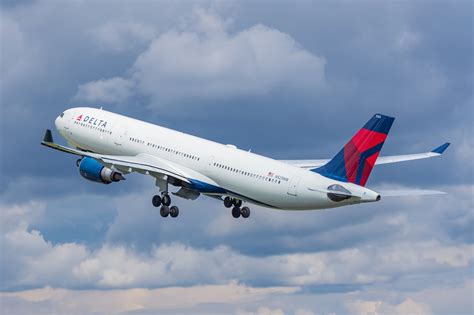
Delta deploys the Airbus A330-300, a widebody aircraft designed for long-haul comfort, featuring a four-class configuration that includes Delta One business class suites and premium economy seating. This isn’t just about capacity—it’s about maximizing revenue on a route where leisure demand dominates but expectations remain high.
Seasonality plays a crucial role. During peak winter travel periods, when mainland temperatures drop and Hawaii becomes even more appealing, Delta increases frequency with additional aircraft like the Boeing 767-300ER. This flexibility allows the airline to capture surging demand without overcommitting year-round capacity.
What sets this route apart is its consistency and scale. Unlike others on this list, it operates daily throughout the year, reflecting both strong local demand and Atlanta’s unmatched connectivity.
4. Washington Dulles to Honolulu – A Strategic Link from the Capital
Washington Dulles International Airport may no longer be United Airlines’ easternmost powerhouse, but it remains a vital node in its network. The route to Honolulu, spanning 4,186 nautical miles (7,752 km), exemplifies how airlines maintain relevance in key markets through carefully calibrated service.
This flight is less about frequency and more about precision. United operates it with notable variability—ranging from several flights per week to daily service during peak seasons. This pattern reveals a deeper truth: not all ultra-long routes can sustain constant demand, especially when competing hubs like Newark offer stronger connectivity.
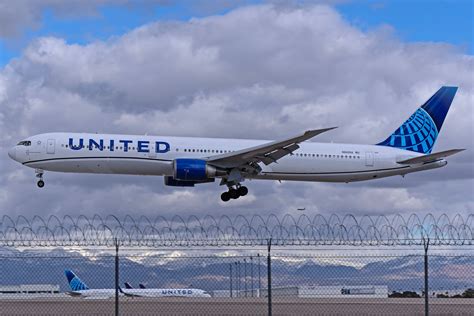
The aircraft of choice, the Boeing 767-400ER, is configured to balance capacity and efficiency. With 231 seats, including Polaris business class and Premium Plus, it caters to both leisure travelers and a smaller segment of premium passengers.
Interestingly, this aircraft represents a deliberate compromise. United typically favors larger premium cabins on international routes, but Hawaii’s lower yield profile makes a less premium-heavy configuration more practical. It’s a subtle yet telling example of how airlines tailor their products to route economics.
Despite its irregular schedule, the Dulles–Honolulu route remains essential. It connects the political and economic heart of the nation directly to one of its most remote destinations, bridging not just distance but also vastly different travel purposes.
3. Newark to Honolulu – A Legacy Route with Enduring Strength
Few domestic routes carry as much historical continuity as the Newark to Honolulu service. Covering 4,312 nautical miles (7,986 km), it has endured for decades, evolving alongside the airlines that operate it.
Originally established by Continental Airlines, this route has seamlessly transitioned into United’s network while retaining its core identity. The Boeing 767-400ER remains its backbone, a testament to the aircraft’s versatility and longevity.

Unlike Atlanta’s consistent service, Newark’s connection to Honolulu is highly seasonal. Flights disappear entirely during parts of the year, only to return with increased frequency as winter approaches. This ebb and flow reflect the route’s reliance on leisure travel, particularly from the densely populated Northeast.
What makes this route remarkable is its endurance. For over 20 years, it has operated with minimal interruption, aside from temporary adjustments during global disruptions. It also highlights how aircraft utilization strategies influence route planning—these planes often rotate between transatlantic and domestic long-haul services, maximizing efficiency.
Passengers on this route experience one of the longest continuous domestic journeys available, often rivaling flights to Western Europe in duration. It’s a reminder that distance alone doesn’t define international travel—sometimes, it’s all within one country.
2. New York JFK to Honolulu – A Competitive Transpacific Battleground
New York’s John F. Kennedy International Airport introduces a different dynamic: competition. Unlike Newark, which is dominated by United, JFK hosts multiple carriers vying for long-haul passengers. The route to Honolulu, measuring 4,330 nautical miles (8,020 km), has become a focal point for this rivalry.
Hawaiian Airlines has long operated this route using the Airbus A330-200, offering a product tailored to leisure travelers with a touch of island hospitality. However, Delta Air Lines has intensified the competition by increasing its own service frequency, transitioning to daily flights in 2026.

This head-to-head competition reveals contrasting strategies. Hawaiian’s higher-density configuration emphasizes volume, while Delta’s lower seat count prioritizes premium offerings, including lie-flat seats with direct aisle access. For passengers, this translates into a choice between capacity-driven value and comfort-focused refinement.
The route itself is a logistical feat. Flights often exceed ten hours, requiring careful fuel planning and operational precision. Yet demand remains strong, fueled by New York’s massive population and its status as a global travel hub.
What truly defines this route is its dual identity: it’s both a leisure corridor and a competitive arena where airlines test their ability to attract discerning long-haul passengers within a domestic framework.
1. Boston to Honolulu – The Longest US Domestic Flight in 2026
At the top of the list sits a route that pushes the boundaries of domestic aviation: Boston to Honolulu. Spanning 4,427 nautical miles (8,200 km), it claims the title of the longest domestic flight in the United States in 2026.
This route’s return under Delta Air Lines marks a significant shift. Previously operated by Hawaiian Airlines, it now reflects Delta’s broader strategy to expand its presence in Boston while challenging competitors on high-profile routes.
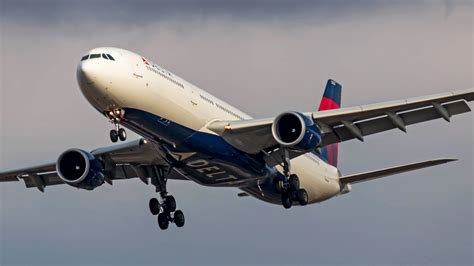
Flight times approach 11 hours and 40 minutes westbound, placing it firmly in long-haul territory. The Airbus A330-300 assigned to this route operates near the edge of its performance envelope, especially on older variants with lower maximum takeoff weights. This makes the route not just long, but technically demanding.
Boston’s emergence as a strategic hub adds another layer of significance. Delta’s expansion here is part of a broader effort to compete with JetBlue and establish a more diversified network. By launching the longest domestic route in the country, Delta sends a clear signal about its ambitions.
For passengers, this flight represents the ultimate domestic journey—a seamless connection between New England and the Hawaiian Islands without layovers. It’s both a convenience and a statement of how far modern aviation has come.
Why These Ultra-Long Domestic Flights Matter
These routes are more than statistical outliers; they are indicators of broader trends shaping the aviation industry. They highlight the importance of hub strategy, the enduring appeal of Hawaii, and the evolving capabilities of widebody aircraft.
Airlines must carefully balance aircraft utilization, passenger demand, and operational constraints. A route that looks impressive on paper must also be economically viable, which is why many of these flights are seasonal or operate with variable frequency.
At the same time, these flights redefine passenger expectations. Travelers embarking on a “domestic” journey now anticipate amenities typically associated with international travel—lie-flat seats, premium dining, and advanced in-flight entertainment systems.
Ultimately, the longest US domestic flights in 2026 illustrate a simple but powerful idea: distance within a single country can rival the span of oceans between continents. And as airlines continue to refine their networks, these routes will remain at the forefront of innovation, endurance, and ambition in modern aviation.