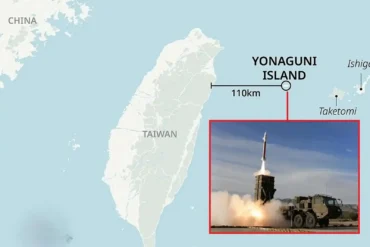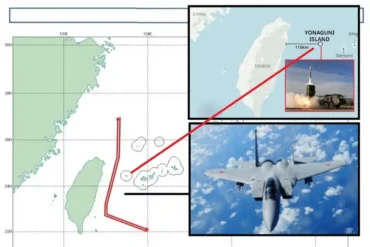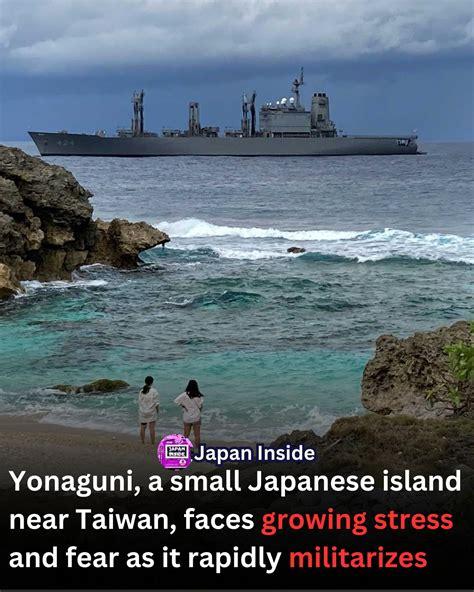
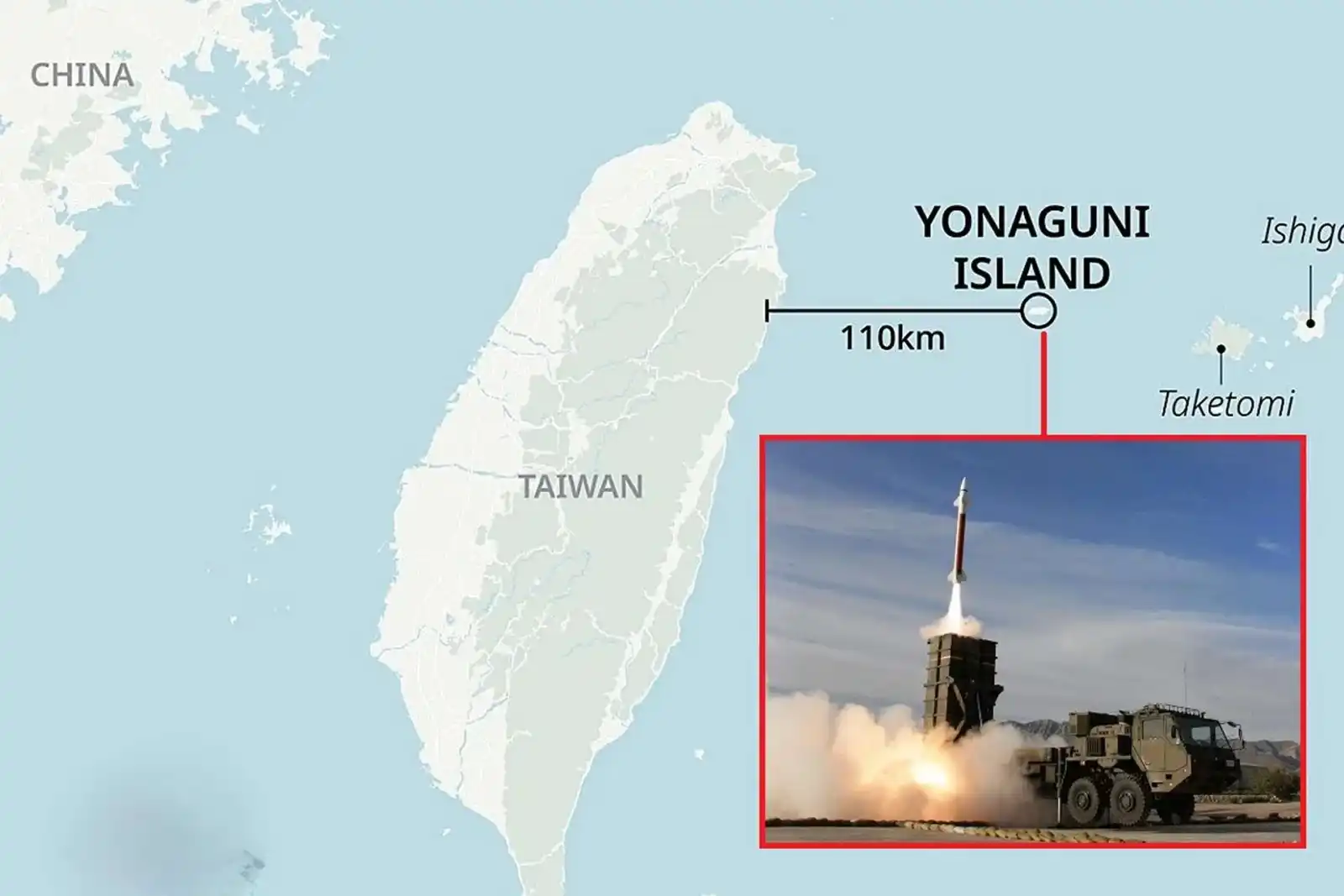
Japan’s decision to advance the deployment of Type 03 medium-range surface-to-air missiles on its westernmost outpost, Yonaguni Island, has reignited a fierce diplomatic clash with Beijing, injecting new volatility into an already fragile Asia-Pacific security landscape. The tiny island, perched a mere 110 kilometers from Taiwan, has suddenly become the epicenter of a strategic confrontation involving military deterrence, constitutional limits, and geopolitical nerves stretched to the breaking point.
Japan Accelerates Missile Deployment on Yonaguni
Defense Minister Shinjiro Koizumi confirmed during his first inspection tour that missile deployment is progressing steadily, framing the move as a necessary bulwark against rising threats in the East China Sea. The Type 03 system, capable of countering incoming aircraft and air-to-ground attacks, fits into Tokyo’s expanding fortification of its southwestern island chain.
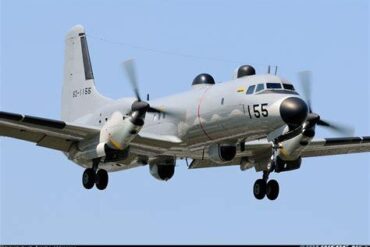
Yonaguni’s transformation from a tranquil diving destination into a frontline defense hub began in 2016 with the establishment of a Ground Self-Defense Force base equipped with surveillance radars and electronic warfare units. Koizumi argued the new missile layer will reduce the likelihood of an armed attack on Japan, brushing off critics warning of accelerated militarization.
Beijing Slams Japan for “Provoking Confrontation”
China’s Foreign Ministry reacted with a sharp rebuke. Spokesperson Mao Ning accused Tokyo of deliberately manufacturing tension and stoking confrontation, linking the escalation directly to the hardline posture of Japan’s new prime minister, Sanae Takaichi.
Beijing’s anger traces back to Takaichi’s recent suggestion that a Chinese attack on Taiwan — involving warships and “use of force” — could constitute an existential threat to Japan under its pacifist constitution. That classification could legally justify Japanese military intervention, a scenario China views as both inflammatory and a violation of the 1972 Japan-China Joint Communiqué.
Takaichi’s comments prompted China to summon Japan’s ambassador, demand a retraction, and bristle at Tokyo’s refusal. The dispute spiraled when a Chinese diplomat in Osaka posted a violent threat toward Takaichi before hastily deleting it. Japan quickly summoned China’s envoy, deepening mutual distrust.
Political Hard Lines and Domestic Backlash
Takaichi, a protégé of former Prime Minister Shinzo Abe and a vocal visitor to the Yasukuni Shrine, has rejected calls to soften her stance. She frames Japan’s expansive defensive posture as a rational response to China’s “unprecedented” military buildup. However, legal scholars and political opponents warn her rhetoric risks pulling Japan into a conflict few citizens support.
The prime minister’s approach reflects a broader strategic shift: Japan is moving away from strict post-war pacifism toward a model emphasizing deterrence and rapid response — especially near Taiwan, where any regional crisis would unfold almost on Japan’s doorstep.
Taiwan Signals Cautious Approval
Taipei has publicly welcomed Japan’s enhanced defenses on Yonaguni. Deputy Foreign Minister Wu Chih-chung told lawmakers the missiles contribute to stability in the Taiwan Strait, stressing Japan’s unquestioned right to protect its territory. Taiwan views Japan as a crucial security partner and a stabilizing force in the Indo-Pacific.
President Lai Ching-te urged China to behave like a responsible major power and stop injecting destabilizing pressure into the region. His administration has increased joint exercises with Japan and the United States, positioning Japan as an essential counterweight to Beijing’s gray-zone activities, including constant air and naval incursions near Taiwan.
Economic Retaliation Hits Japan’s Tourism Sector
The diplomatic feud has spilled far beyond security policy. China issued a travel advisory urging citizens to avoid Japan due to “personal safety risks.” This struck at the heart of Japan’s tourism industry: Chinese travelers accounted for nearly 30% of inbound visitors in the first nine months of 2025, spending over $1 billion per month.
Tour operators and retailers, already squeezed by a weak yen, now face cancellations, plunging bookings, and rising fears of extended restrictions. Analysts warn the situation could slide into a 2010-style trade conflict if Beijing curtails rare-earth exports or turns its sights on Japanese automakers struggling against Chinese EV competition.
A Region on Edge: The Strategic Weight of 110 Kilometers
With Taiwan so close that it’s visible from Yonaguni’s shores on a clear day, the island’s new missile deployment adds another combustible element to a region bracing for miscalculation. Experts warn that forceful statements — from political leaders or overzealous diplomats — could ignite an escalation path difficult to reverse.
Tokyo presents the Yonaguni missile plan as a stabilizing deterrent. Beijing sees it as provocation. Taiwan frames it as essential. Investors view it as yet another pressure point in a region where tensions are increasingly fused together.
The East China Sea is edging toward a precarious equilibrium: one where a single misstep, policy shift, or fiery remark could tip the balance in a flash.