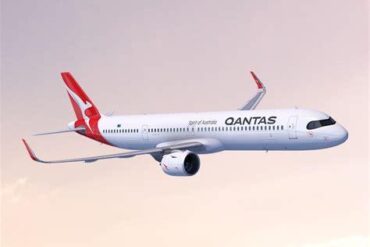
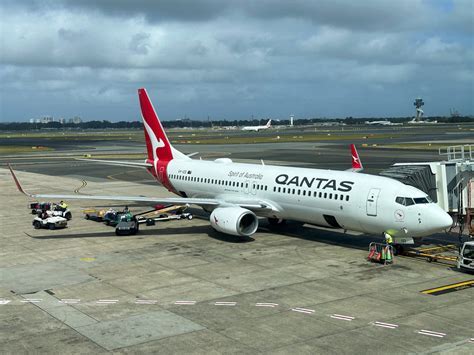
Australia’s national carrier, Qantas Airways, is ramping up efforts to safeguard its network capacity by leasing four additional Boeing 737-800 aircraft. This strategic move comes in direct response to delivery delays affecting the airline’s highly anticipated Airbus A321XLR fleet, a core element of its broader fleet modernization plan.
The new leased Boeing 737-800s, often referred to as “midlife” aircraft, are set to join the Qantas fleet by the end of 2025, providing a critical stopgap solution to maintain operational stability across domestic and short-haul international routes. Although these aircraft are not factory-fresh, Qantas has confirmed that they will undergo partial cabin enhancements before entering service.
Airbus A321XLR Delays Impact Qantas’ Strategic Timelines
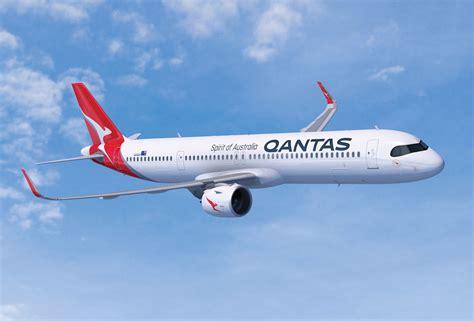
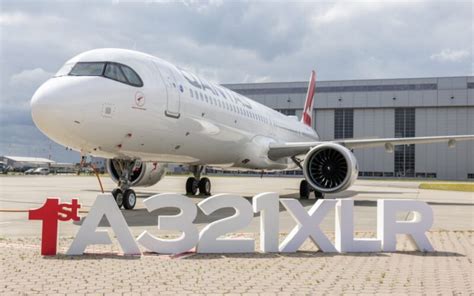
The delayed arrival of the Airbus A321XLR, originally scheduled for earlier this year, has caused significant adjustments to Qantas’ fleet deployment plans. According to reports from The Australian, the first A321XLR for Qantas is now expected by next week, approximately three months behind schedule. The delayed aircraft, registered as VH-OGA, recently completed its second test flight at Airbus’ Hamburg facility, marking the final phase of its pre-delivery program.
The A321XLR represents a pivotal upgrade for Qantas, intended to bolster operations from key hubs including Melbourne (MEL) and Brisbane (BNE). Designed for both domestic and short-haul international routes, the aircraft offers extended range and improved fuel efficiency, making it central to the airline’s future fleet strategy. However, these delays have temporarily disrupted Qantas’ efforts to modernize its operations and reduce emissions.
Interim Capacity with Leased Boeing 737s
The leased Boeing 737-800s will help bridge the operational gap until the A321XLR deliveries normalize. While these jets are considered “midlife,” Qantas plans to partially upgrade them to align more closely with the airline’s evolving product standards. In a phased approach, these aircraft will eventually undergo full retrofitting to match the cabin design of the incoming A321XLRs.
These leased aircraft underscore Qantas’ commitment to maintaining network resilience, especially at a time when global supply chain disruptions continue to plague aircraft manufacturing schedules.
Major Refurbishment for Existing Boeing 737 Fleet
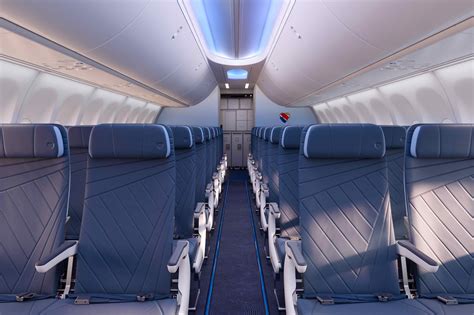
Beyond leasing, Qantas is embarking on a comprehensive overhaul of its existing fleet of 42 Boeing 737-800s, the workhorses of its domestic and regional international network. The refurbishment project targets both Business Class and Economy cabins, introducing new seating, modernized sidewalls, updated mood lighting, new carpets, and larger overhead storage bins capable of holding up to 50% more carry-on luggage.
The interior redesign is intended to mirror the cabin environment of the airline’s next-generation Airbus A220s and A321XLRs, providing passengers with a seamless travel experience across different aircraft types. Despite these upgrades, Qantas’ popular feature of fast and free in-flight Wi-Fi will remain a staple across the refreshed fleet.
The first fully retrofitted Boeing 737-800 is expected to re-enter service by 2027, ensuring service continuity as the airline gradually transitions to a more modern, fuel-efficient fleet.
Broader Fleet Renewal: Airbus A220 and Embraer 190 Integration
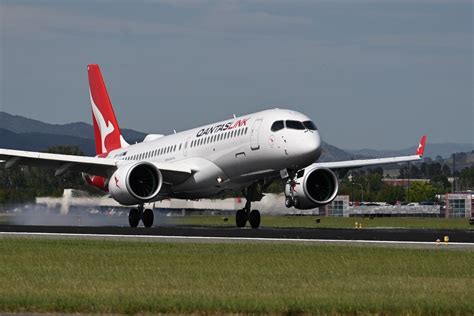
Qantas’ fleet modernization extends beyond its mainline operations. As part of its long-term strategy, the airline has already introduced five Airbus A220s into active service. These aircraft are integral to Qantas’ sustainability goals, offering lower fuel burn and emissions, alongside operational flexibility on regional routes.
In Western Australia, subsidiary QantasLink is executing a significant renewal of its Network Aviation fleet. The aging Fokker F100s, long a mainstay on charter, FIFO (Fly-In Fly-Out), and regional passenger routes from Perth Airport (PER), will be phased out in favor of the Embraer 190 (E190) regional jet.
The first of up to 14 E190s is expected to enter service by late 2026, with Qantas currently evaluating sourcing options for these midlife aircraft. The introduction of the E190 fleet promises improved fuel efficiency, reduced emissions, lower maintenance costs, and enhanced passenger comfort.
Rachel Yangoyan, CEO of QantasLink, highlighted that the E190 acquisition underscores the airline’s commitment to supporting Western Australia’s resource sector and regional communities, while creating growth opportunities for aviation personnel.
Temporary Capacity Boost with Jetstar Asia Airbus A320s
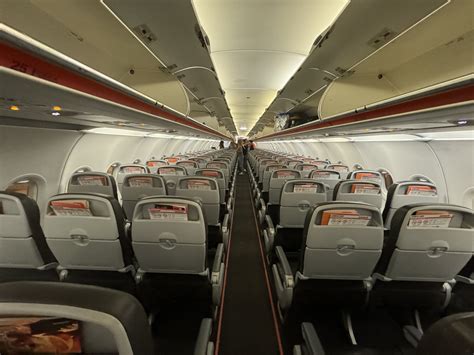
Ahead of the E190 deliveries, QantasLink is set to integrate four Airbus A320s from Jetstar Asia (3K) into Network Aviation’s operations by late 2025. These aircraft will enable the early retirement of four Fokker F100s, facilitating a smoother transition and maintaining service continuity on critical FIFO and regional routes from Perth.
While the accelerated F100 retirements will result in additional depreciation charges, Qantas Group has emphasized that the move will not affect its underlying earnings. The Group has reaffirmed its FY26 capital expenditure guidance of AUD 4.1 to 4.3 billion, underscoring its financial preparedness to support these strategic fleet investments.
Major resource industry stakeholders, including Fortescue Metals, have welcomed the fleet renewal initiative. Dino Otranto, CEO of Fortescue Metals, stated that the aircraft upgrades would directly enhance the more than 50 weekly flights from Perth, improving comfort, reliability, and operational efficiency for the region’s workforce.
Qantas Navigates Market Challenges with Strategic Flexibility
The decision to lease Boeing 737s and temporarily rely on Airbus A320s reflects Qantas’ adaptable approach to managing ongoing industry headwinds, including supply chain bottlenecks and aircraft delivery delays. Despite these challenges, the airline remains committed to advancing its fleet modernization program, reducing emissions, and improving passenger experience across its domestic and regional networks.
While the Airbus A321XLR delays have prompted short-term adjustments, Qantas’ long-term vision remains unchanged. The combined integration of the A321XLR, A220, and E190 fleets is set to deliver enhanced range, fuel efficiency, and capacity—positioning Qantas to meet evolving market demands and sustainability targets well into the next decade.
The interim leasing of Boeing 737-800s serves as a pragmatic solution to uphold service standards and network reliability, while the ongoing refurbishment of existing aircraft ensures Qantas customers continue to experience a consistent and modern product offering.
With strategic foresight, calculated investments, and agile decision-making, Qantas is navigating the complexities of global aviation supply chains, ensuring that both its immediate operational needs and long-term ambitions stay firmly on course.