The Boeing 767 occupies a peculiar place in commercial aviation history. It was never the biggest widebody, nor the longest-ranged, yet it quietly became one of the most versatile aircraft ever built. For decades, it connected secondary cities across oceans, anchored premium transcontinental routes, and delivered reliable economics for airlines that needed flexibility more than brute capacity. Today, that era is ending. The youngest passenger 767s are already well past their teenage years, and many are approaching retirement age with the dignity of an old sea captain who has crossed one ocean too many.
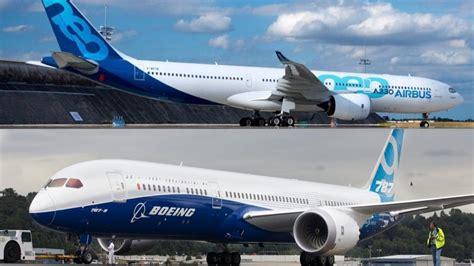
Replacing the 767 is not as simple as matching seat counts or range figures. Airlines are no longer shopping for a one-for-one successor in a market that barely exists. Instead, they are choosing between two modern widebody philosophies: Boeing’s composite-heavy, clean-sheet 787 Dreamliner, and Airbus’s deeply evolved, pragmatically optimized A330neo. Both claim the 767’s mantle. Both deliver radically better fuel efficiency. Yet they arrive at the same mission from very different directions.
Understanding which aircraft is the “true” replacement for the 767 requires stepping inside airline fleet strategy, network economics, and the subtle art of upgauging without overreaching. This is where the debate becomes genuinely interesting.
The Boeing 767’s Original Mission and Why It Still Matters
The Boeing 767 was designed in an era when airlines needed a mid-sized widebody that could do almost anything reasonably well. It carried between 200 and 250 passengers, flew transcontinental missions effortlessly, and crossed the Atlantic without demanding the traffic volumes of a 747 or later a 777. Its twin-engine efficiency made long-haul routes viable for airlines that lacked megahubs, reshaping global networks long before the term “hub-bypass” became fashionable.
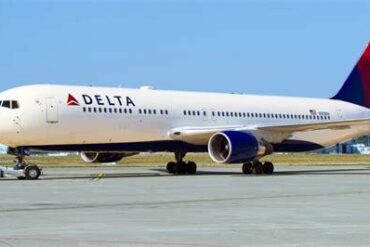
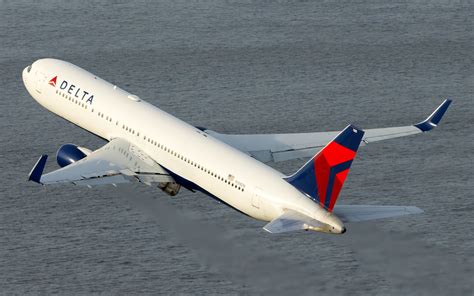
Delta Air Lines and United Airlines emerged as the final guardians of this legacy. Delta operates 58 passenger 767s, while United flies 53, including the unique 767-400ER, a stretched variant that never found customers beyond these two carriers. These aircraft have been maintained meticulously, but maintenance excellence cannot outrun time. Aging airframes, outdated systems, and rising operating costs have forced both airlines to confront the same question: what replaces an aircraft that was defined by versatility rather than raw performance?
Two Modern Philosophies: Clean-Sheet Innovation vs Intelligent Evolution
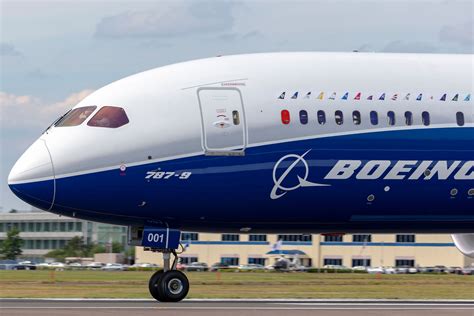
The Boeing 787 Dreamliner was conceived explicitly as a successor to the 767. Launched in the early 2000s, it promised a step-change in efficiency through extensive use of carbon-fiber composite materials, advanced aerodynamics, and next-generation engines. The result was an aircraft that could fly significantly farther than the 767 while burning the same or less fuel per seat, a claim that sounded almost heretical at the time.
The Airbus A330neo, by contrast, represents evolutionary pragmatism at its finest. Its DNA traces back to the original A330, an aircraft that already outperformed the 767 economically on many routes. Airbus initially explored turning the A330 into an early A350 concept with new wings and systems, but airlines rejected that halfway solution. The clean-sheet A350 moved upmarket, leaving a gap below it. The A330neo filled that gap by retaining the proven A330 airframe while integrating new Rolls-Royce Trent 7000 engines, aerodynamic refinements, and modern avionics.
This divergence defines the debate. The 787 is lighter, more technologically ambitious, and optimized for long-range missions. The A330neo is heavier, simpler, cheaper to acquire, and exceptionally efficient on medium-haul widebody routes. Both can replace the 767, but not in the same way.
Boeing 787 Dreamliner: A Replacement That Redefines the Mission
In standard nine-abreast economy configurations, the 787-9 sits surprisingly close to the A330-900 in capacity, despite its reputation as a smaller aircraft. Where it truly distinguishes itself is range. The 787-9 can comfortably operate ultra-long-haul missions that the 767 could never attempt, opening new city pairs and providing airlines with strategic flexibility far beyond the original replacement brief.
United Airlines has leaned into this advantage with conviction. Its massive order for 787s, including exercised options, signals a long-term commitment not just to replacing the 767, but to reshaping its entire widebody network. United plans to retire all 767s by 2030, with the 787-9 assuming responsibility for both premium-heavy and higher-density missions.
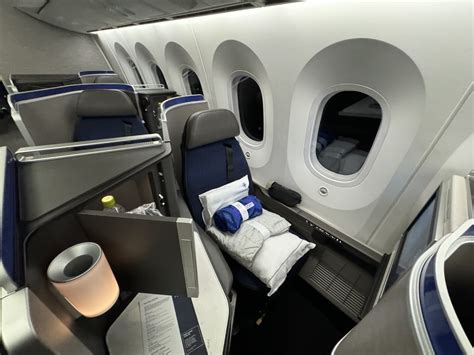
A particularly telling example is United’s forthcoming “78L” subfleet. These aircraft will feature a premium-heavy configuration with 64 Polaris business class suites, dramatically exceeding the premium capacity of the aging 767-300ERs they replace. This is not a like-for-like substitution. It is an intentional upgauge that leverages the 787’s economics to carry more premium passengers without proportionally increasing fuel burn.
The downside is scale. The 787-9 is undeniably larger and heavier than the 767, especially when operating shorter routes. While its fuel efficiency remains impressive, airlines must ensure demand justifies the additional seats. United’s hub-centric network and strong long-haul premium demand make this a manageable trade-off. For others, it could be a risk.
Airbus A330neo: The Quietly Efficient Heir
The Airbus A330-900 approaches the 767 replacement question from a different angle. It does not attempt to reinvent the category. Instead, it refines it. On shorter and medium-haul widebody missions, the A330-900 often demonstrates a slight fuel burn advantage over the 787-9, largely due to its optimized engine tuning and aerodynamic tweaks designed specifically for these distances.
Delta Air Lines recognized this alignment early. As one of the world’s largest A330 operators, Delta could integrate the A330-900 with minimal disruption. Pilot training, maintenance infrastructure, and operational familiarity all tilted the economics decisively in Airbus’s favor. The result is a fleet that delivers 787-like fuel efficiency while retaining the operational rhythm Delta has perfected over decades.
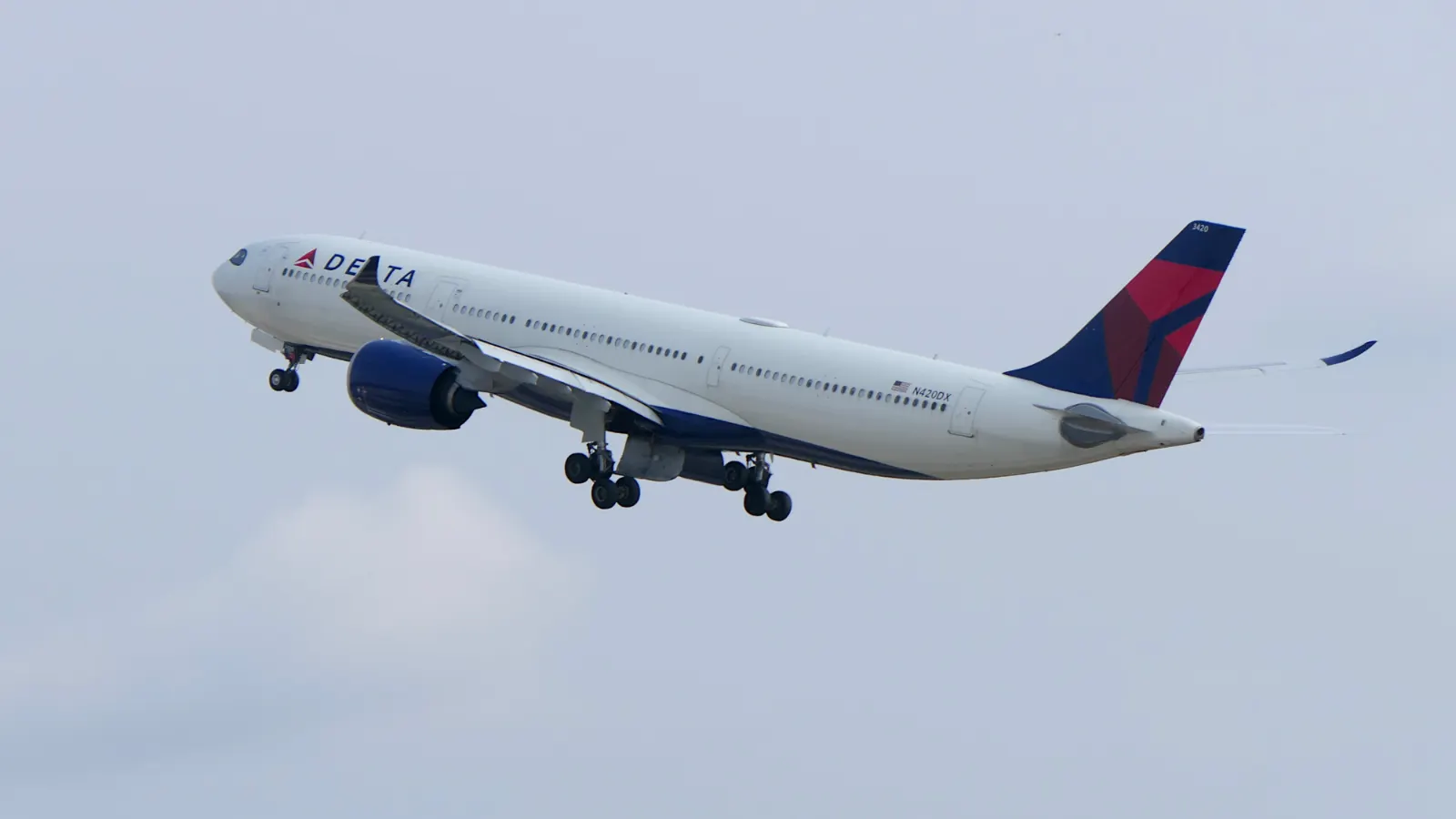
Configured with roughly 281 seats, Delta’s A330-900s carry nearly 70 more passengers than the 767-300ERs they replace, yet consume roughly the same amount of fuel. This is the essence of modern widebody economics: more capacity, similar costs, higher revenue potential. For transatlantic routes, this equation is particularly compelling, where stage lengths fall squarely within the A330neo’s sweet spot.
The A330-900’s lower acquisition cost also matters. In a world of volatile demand and cautious capital spending, paying less for an aircraft that meets mission requirements can be just as powerful as shaving a few extra percentage points off fuel burn.
Variant Economics and Why Size Matters More Than Nostalgia
On paper, the A330-800 and 787-8 appear closer in size to the 767, inviting the temptation of a more literal replacement. In practice, both variants suffer from weaker economics. Operating costs are not dramatically lower than their larger siblings, yet revenue potential is meaningfully reduced. Airlines have voted with their order books, and the verdict is clear: larger variants dominate.
The 787-9 has outsold the 787-8 by a wide margin, while the A330-900 has become the default neo variant. This reflects a broader industry shift. Replacing the 767 is no longer about preserving its size; it is about preserving its role while enhancing profitability. Slightly larger aircraft that cost the same to operate deliver that outcome far more reliably.
Delta’s Cascading Strategy and the Power of Upgauging
Delta’s approach to retiring the 767 is a masterclass in fleet choreography. Rather than replacing every aircraft directly, the airline uses cascading displacement. New A350-1000s upgauge existing long-haul routes, freeing A350-900s. Those A350-900s then displace A330s, which finally replace 767-300ERs on international missions. Domestic 767 routes eventually transition to premium-configured A321neos.
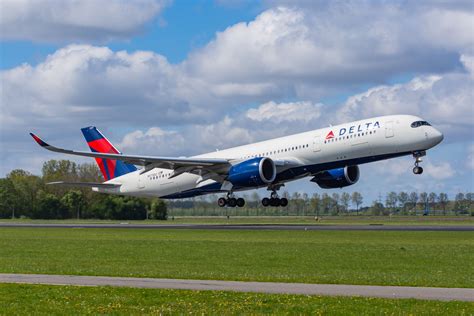
This strategy maximizes asset utilization while steadily increasing capacity across the network. The A330-900 plays a crucial role as the immediate 767-300ER replacement, while future decisions, potentially involving the 787-10, may address the aging 767-400ER and older A330 variants. In this context, the “true” replacement is not a single aircraft, but a sequence of intelligent moves.
The Boeing 787-10 and the Future of the Upper Middle Market
The 787-10 deserves special attention. While significantly larger than the 767-400ER, it offers exceptional seat-mile economics and aligns perfectly with the trend toward network-wide upgauging. Its range limitations are largely irrelevant for the missions it is expected to fly, particularly within North America, the Atlantic, and parts of Latin America.
Rumors of Delta evaluating the 787-10 underscore a broader truth. As airlines replace the 767, they are not merely filling a gap; they are reshaping capacity profiles to reflect modern demand. The 787-10’s strong economics make it a compelling successor to multiple aging widebody types, not just the 767.
So, Which Aircraft Is the True Replacement for the 767?
The answer depends on how one defines “replacement.” If the goal is to replicate the 767’s mission profile with minimal disruption, the Airbus A330-900 comes closest. Its fuel efficiency on shorter routes, lower acquisition cost, and operational continuity make it a natural heir to the 767’s original role.
If the objective is to replace the 767 while expanding network capability, unlocking longer routes, and increasing premium capacity, the Boeing 787-9 emerges as the more transformative successor. It does not merely replace the 767; it absorbs and surpasses it.
In reality, both aircraft succeed precisely because the market no longer demands a single, perfect replacement. The 767’s legacy lives on not in a carbon copy, but in a new generation of widebodies that do what it once did, only better, farther, and more profitably. The true replacement for the 767 is not a single airplane. It is a philosophy of smarter capacity, sharper economics, and fleets designed for the world as it is now, not as it once was.