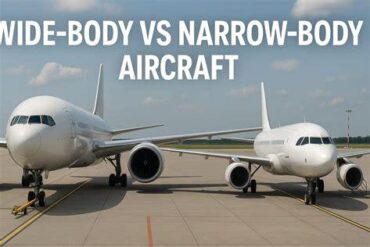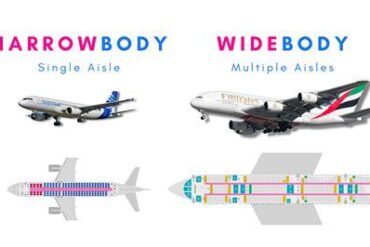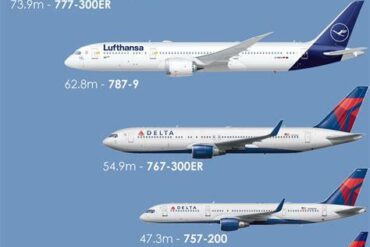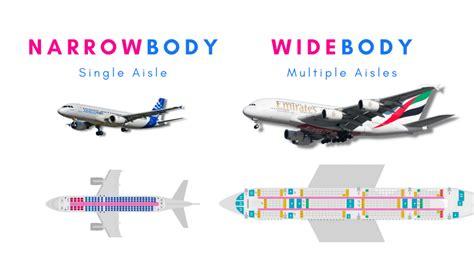
The aviation industry presents travelers with two distinct aircraft categories that fundamentally shape the flying experience: widebody and narrowbody aircraft. While many passengers remain unaware of these distinctions when booking flights, understanding the differences between these aircraft types can dramatically impact comfort levels, amenities, and overall satisfaction during air travel. Widebody aircraft, characterized by their dual-aisle configuration and spacious cabins, offer numerous advantages over their single-aisle narrowbody counterparts, particularly for medium to long-haul journeys.
The benefits of choosing widebody aircraft extend far beyond simple aesthetics, encompassing everything from enhanced passenger comfort and reduced turbulence to superior entertainment systems and quieter cabins. These advantages become increasingly significant as flight duration increases, making widebody aircraft the preferred choice for international and transcontinental routes where passenger comfort directly correlates with arrival satisfaction and reduced travel fatigue.
Modern widebody aircraft represent the pinnacle of aviation engineering, incorporating advanced technologies and design philosophies that prioritize passenger experience while maintaining operational efficiency. From the spacious cabins of the Boeing 777 to the innovative features of the Airbus A350, these aircraft demonstrate how thoughtful design can transform air travel from mere transportation into a comfortable journey.
Enhanced Cabin Space and Passenger Movement
The most immediately noticeable advantage of widebody aircraft lies in their significantly expanded cabin space and dual-aisle configuration. This design philosophy creates an environment where passengers enjoy greater freedom of movement, easier boarding and disembarking processes, and reduced congestion throughout the flight. The twin-aisle layout fundamentally changes the passenger experience by providing multiple pathways for movement, eliminating the bottleneck effect commonly experienced on narrowbody aircraft.
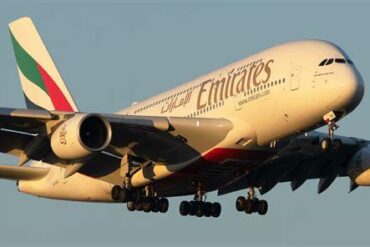
Emirates’ fleet exemplifies this advantage through their Boeing 777 and Airbus A380 aircraft, which feature generous cabin layouts that accommodate passenger movement even during peak activity periods. The 3-4-3 economy class configuration on these widebody aircraft, while maintaining competitive seat density, provides passengers with significantly better access to aisles compared to the cramped 3-3 layout typical of narrowbody aircraft like the Airbus A320 or Boeing 737. This enhanced accessibility proves particularly valuable during long-haul flights when passengers need to stretch their legs, access overhead compartments, or visit lavatories without disturbing multiple fellow travelers.
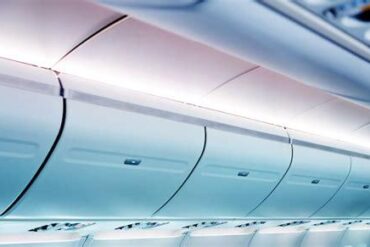
Singapore Airlines further demonstrates the space advantage through their Airbus A350-900 aircraft, featuring a comfortable 3-3-3 economy class layout that maximizes the sense of openness while providing easy aisle access. This configuration creates a psychological benefit beyond the physical advantages, as passengers experience less claustrophobia and anxiety commonly associated with confined spaces during extended flights. The additional width also allows for larger overhead compartments, addressing one of the most common frustrations in modern air travel: insufficient storage space for carry-on luggage.
Singapore Airlines A350 Fleet: A Case Study in Widebody Excellence
Singapore Airlines serves as an exemplary case study for widebody aircraft utilization, operating the world’s largest commercial fleet of Airbus A350 aircraft. The carrier’s commitment to the A350 platform, beginning with early adoption in 2015, demonstrates the strategic value airlines place on widebody capabilities for long-haul operations. With 65 A350s currently in service, including 58 A350-900s and seven specialized A350-900ULRs, Singapore Airlines showcases how widebody aircraft can be optimized for different market segments and route requirements.
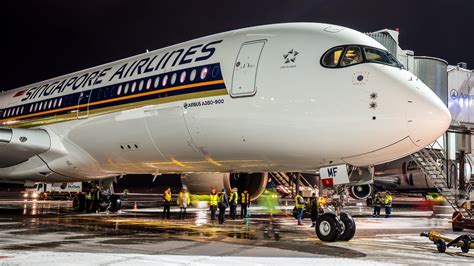
The A350-900ULR variants represent a particularly innovative application of widebody technology, featuring an all-premium cabin configuration specifically designed for ultra-long-range operations. These aircraft enable Singapore Airlines to operate some of the world’s longest non-stop commercial routes, including services from Singapore Changi Airport to New York’s John F. Kennedy International Airport and Newark Liberty International Airport. The premium-only configuration maximizes passenger comfort on these marathon flights, demonstrating how widebody aircraft can be tailored for specific operational requirements while maintaining superior passenger experience standards.
The standard A350-900 configurations offer flexibility across multiple service classes, with variants accommodating between 253 and 303 passengers depending on the specific layout. This configurational flexibility allows Singapore Airlines to optimize aircraft deployment based on route characteristics, passenger demand patterns, and competitive positioning, advantages that would be impossible to achieve with narrowbody aircraft limitations.
Premium Amenities and Enhanced Passenger Services
Widebody aircraft provide airlines with the physical space necessary to implement premium amenities that significantly enhance the passenger experience beyond basic transportation. The larger cabin volume enables installation of expanded galley facilities, additional lavatories, and specialized areas dedicated to premium passenger services. These enhancements create a more civilized flying environment where passenger needs can be addressed more effectively throughout the journey.
Emirates’ Airbus A380 fleet exemplifies the amenity possibilities available with widebody aircraft, featuring onboard lounges exclusively for first and business class passengers, and even onboard shower facilities – luxuries that would be physically impossible to implement on narrowbody aircraft. These amenities transform long-haul flights from endurance tests into comfortable experiences, allowing passengers to arrive at their destinations refreshed rather than fatigued. Even economy class passengers benefit from the expanded infrastructure, enjoying more spacious lavatories, larger overhead storage compartments, and improved service efficiency due to enhanced galley capabilities.
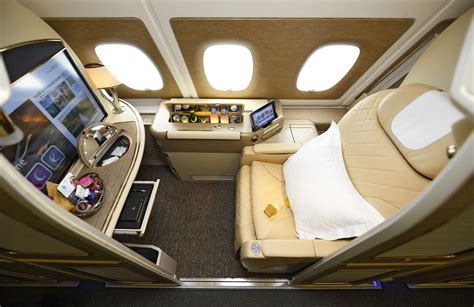
The additional space also enables airlines to implement more sophisticated cabin service procedures, with flight attendants having adequate room to prepare and serve meals, manage passenger requests, and maintain cabin cleanliness throughout the flight. This operational efficiency translates directly into improved passenger satisfaction, as service quality remains consistent even during peak demand periods.
Reduced Turbulence and Enhanced Flight Stability
Widebody aircraft offer superior flight stability characteristics compared to their narrowbody counterparts, primarily due to their increased mass, longer wingspan, and larger fuselage dimensions. These physical attributes work together to create a more stable flying platform that better absorbs atmospheric disturbances, resulting in smoother flights and reduced passenger discomfort during turbulent conditions. The physics of flight stability favor larger aircraft, as their greater inertia resists sudden movements caused by air currents and weather phenomena.
Passengers frequently report noticeably smoother flights when traveling on modern widebody aircraft such as the Boeing 787 Dreamliner or Airbus A350 compared to narrowbody alternatives like the Boeing 737 or Airbus A320 family. This stability advantage becomes particularly pronounced during adverse weather conditions, where widebody aircraft can maintain comfortable flight characteristics while narrowbody aircraft might experience more significant turbulence effects. The improved stability contributes to reduced motion sickness, better sleep quality during overnight flights, and overall passenger comfort throughout the journey.
The longer wingspan characteristic of widebody aircraft also provides aerodynamic advantages that contribute to flight smoothness. The increased wing area allows for more efficient lift distribution and better handling of atmospheric disturbances, while the larger fuselage provides additional structural rigidity that dampens vibrations and sudden movements. These engineering advantages translate into tangible passenger benefits, particularly during long-haul flights where comfort becomes increasingly important as flight duration extends.
Superior Comfort Features and Advanced Cabin Systems
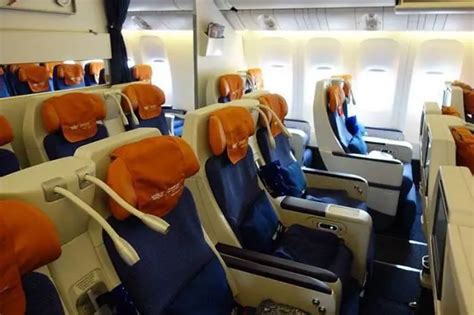
Airlines consistently equip their widebody aircraft with premium comfort features and advanced cabin systems that surpass those found on narrowbody aircraft, recognizing that long-haul passengers have heightened expectations for comfort and convenience. American Airlines exemplifies this approach through their fleet configuration strategy, offering enhanced seat pitch and premium amenities on widebody aircraft compared to their narrowbody counterparts. While their Boeing 737-800 aircraft feature a 30-inch economy class seat pitch suitable for shorter domestic flights, their Boeing 787-9 aircraft provide 31-inch seat pitch, acknowledging the increased comfort requirements for long-haul international services.
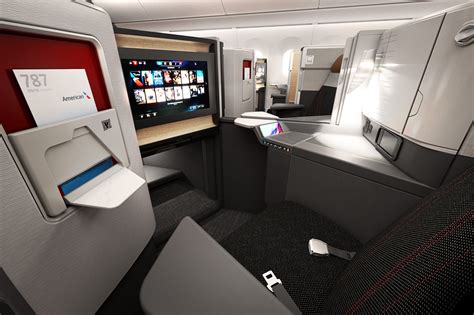
The carrier’s widebody fleet, comprising 137 aircraft including Boeing 777 and 787 variants, represents their commitment to premium long-haul services. The newest Boeing 787-9 deliveries feature American Airlines’ latest Flagship Suite business class product, along with refreshed premium economy and economy class offerings that elevate comfort standards across all service classes. This investment in widebody-specific products demonstrates how airlines recognize the importance of superior comfort features for long-haul operations.
Modern widebody aircraft incorporate advanced environmental control systems that significantly improve passenger comfort during extended flights. The Boeing 787 and Airbus A350 feature enhanced cabin pressurization systems that maintain lower cabin altitudes, reducing passenger fatigue and improving overall comfort. These aircraft also incorporate improved humidity control systems that combat the dry cabin air traditionally associated with long-haul flights, helping passengers arrive more refreshed and comfortable.
Advanced Entertainment and Connectivity Systems
Widebody aircraft typically feature more comprehensive in-flight entertainment and connectivity systems compared to narrowbody aircraft, taking advantage of the additional space and power generation capabilities to provide passengers with extensive entertainment options. The larger cabin volume allows for more sophisticated wiring infrastructure, larger screens, and enhanced audio systems that create a more immersive entertainment experience during long flights.
Emirates’ ICE entertainment system represents the gold standard for widebody entertainment offerings, providing thousands of hours of content across multiple categories including movies, television shows, music, and games. The system’s extensive content library and user-friendly interface transform long-haul flights into opportunities for entertainment and relaxation rather than mere transportation. The carrier’s all-widebody fleet strategy ensures that every passenger enjoys access to these premium entertainment features regardless of their destination or ticket class.
Delta Air Lines demonstrates the connectivity advantages available on widebody aircraft through their comprehensive Wi-Fi and power outlet installations across their long-haul fleet. While their narrowbody aircraft often feature limited entertainment options suitable for shorter flights, their widebody aircraft provide individual seatback screens, streaming services, USB power outlets, and reliable internet connectivity that enable passengers to remain productive or entertained throughout extended journeys.
Quieter Cabin Environment and Noise Reduction
Modern widebody aircraft offer significantly quieter cabin environments compared to narrowbody aircraft, utilizing advanced sound insulation technologies and innovative engine designs to minimize noise intrusion. The larger fuselage diameter provides additional space for sound-dampening materials, while modern engine technologies incorporated in aircraft like the Boeing 787 and Airbus A350 generate less noise than previous generation powerplants. These improvements create a more peaceful cabin environment that reduces passenger fatigue and enables better rest during long flights.
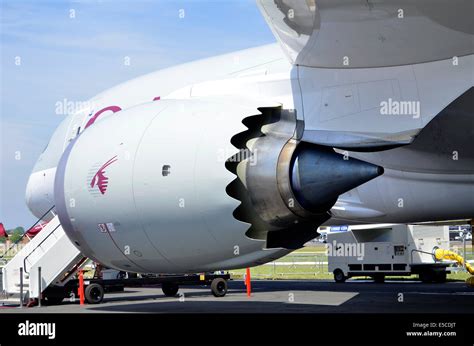
The noise reduction benefits become particularly apparent when comparing modern widebody aircraft to older narrowbody designs. While early widebody aircraft such as the Boeing 767 and original 747 variants were known for significant engine noise, contemporary widebody aircraft represent dramatic improvements in acoustic engineering. Airlines including American Airlines, United Airlines, and Virgin Atlantic have reported positive passenger feedback regarding the quiet cabin environments on their modern widebody fleets, with many passengers noting the ability to sleep more comfortably and arrive less fatigued.
Passengers seated near the wings and engines on narrowbody aircraft such as the Boeing 737-800 or Airbus A320ceo typically experience higher noise levels that can interfere with sleep, conversation, and entertainment consumption. The superior sound insulation and engine positioning on modern widebody aircraft minimize these issues, creating a more civilized flying environment that enhances the overall travel experience.
The Future of Long-Haul Aviation: Narrowbody Innovation
The aviation industry stands at an interesting crossroads with the introduction of the Airbus A321XLR, which challenges traditional assumptions about the necessity of widebody aircraft for long-haul operations. This innovative narrowbody aircraft extends the range capabilities of single-aisle aircraft to approximately 5,400 miles, enabling airlines to operate previously impossible routes with narrowbody efficiency. The A321XLR represents a technological bridge between narrowbody operational economics and long-haul convenience, offering airlines new strategic options for route development.
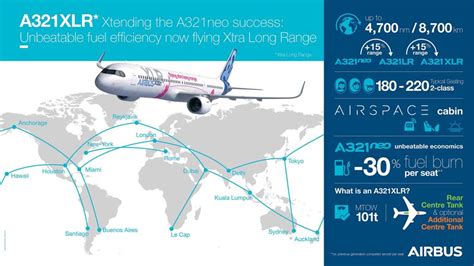
American Airlines plans to deploy their A321XLR aircraft initially on transcontinental routes between New York’s John F. Kennedy International Airport and Los Angeles International Airport, later expanding to transatlantic services including Edinburgh Airport. This deployment strategy demonstrates how the A321XLR can serve “long, thin” markets more efficiently than traditional widebody aircraft while providing passengers with direct service options that previously required connections through major hubs.
The A321XLR’s cabin experience incorporates many comfort features traditionally associated with widebody aircraft, including business class and premium economy options, modern cabin systems, mood lighting, and quieter engines. While maintaining the single-aisle configuration, airlines can redesign their cabins to offer standardized products across their narrowbody and widebody fleets, creating consistency in passenger experience regardless of aircraft type.
Current operators including Aer Lingus, Iberia, and Qantas are pioneering A321XLR operations, with additional airlines including IndiGo, JetBlue, AirAsia X, Air Canada, and LATAM having placed orders for the aircraft. As deliveries increase over the coming years, the A321XLR will likely redefine passenger expectations for narrowbody aircraft while maintaining the fundamental advantages that widebody aircraft provide for ultra-long-haul routes and high-density markets.
The evolution of aircraft technology continues to blur the traditional boundaries between narrowbody and widebody capabilities, yet the fundamental advantages of widebody aircraft – enhanced space, superior comfort, reduced turbulence, premium amenities, and quieter cabins – remain compelling reasons for passengers to seek out these aircraft for their long-haul travel needs. As the aviation industry continues evolving, widebody aircraft will likely maintain their position as the premium choice for passengers prioritizing comfort and convenience during extended journeys.