Expanding Reach from Abu Dhabi
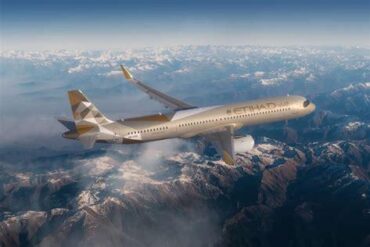
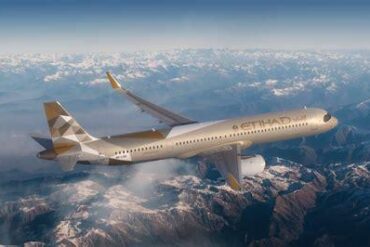
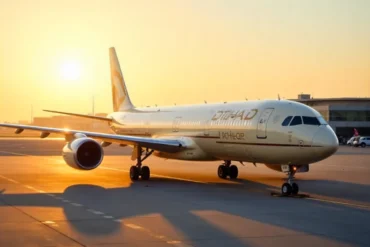
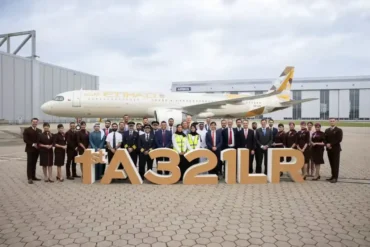
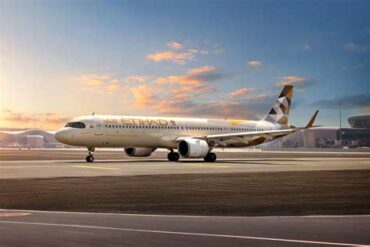
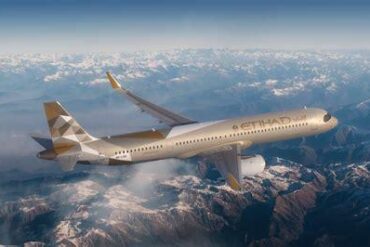
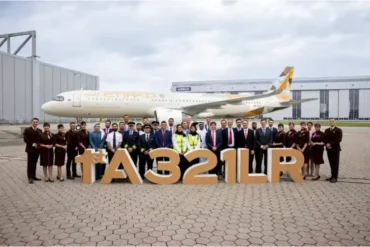
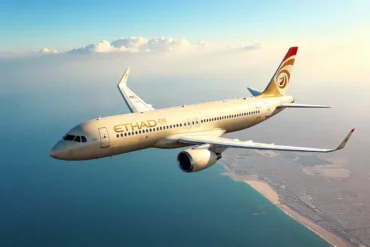
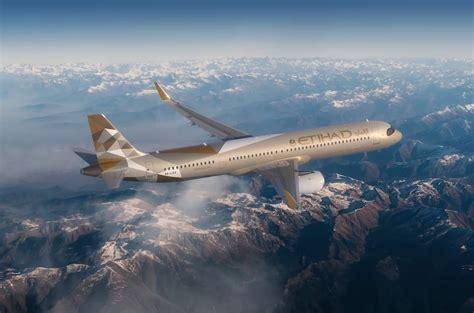
The official delivery of the A321LR was marked at the Finkenwerder facility, a key moment for the airline, as this aircraft is the first of 30 planned to join the fleet. It signals the start of a strategic push to increase the airline’s global presence. The A321LR will commence commercial operations starting August 1, 2025, with its initial route connecting Abu Dhabi to Phuket, marking the beginning of a larger plan to expand its network. Over the following months, the A321LR will be deployed on international routes to several major cities, including:
- Bangkok
- Chiang Mai
- Algiers
- Düsseldorf
- Kolkata
- Krabi
- Krakow
- Medan
- Milan
- Paris
- Tunis
- Copenhagen
- Zurich
- Phnom Penh
The selection of these cities for the initial launch reflects the long-range capabilities and fuel efficiency of the A321LR. These destinations are strategically important, offering the airline the opportunity to serve both business and leisure travelers while connecting smaller cities to key global hubs. The expansion of Abu Dhabi’s role as an international aviation center is a central part of this vision.
Redefining the Passenger Experience
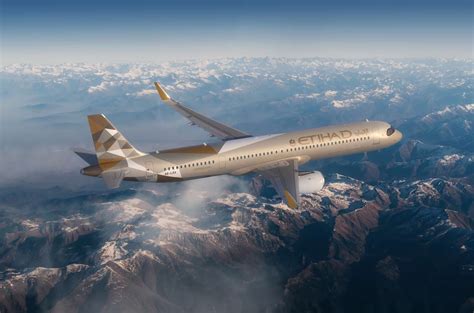
One of the standout features of the A321LR is its innovative three-class cabin, which is not typically seen on narrowbody jets. This design offers a premium experience on shorter routes, elevating the standard of in-flight comfort. The most notable innovation is the introduction of First Suites, a feature that was previously reserved for long-haul widebody aircraft. The First Suites offer a private, enclosed environment, complete with sliding doors, fully flat beds, and custom-designed interiors that provide a high level of comfort and luxury on shorter flights. Key features of the First Suite include:
- A 20-inch 4K ultra-high-definition screen
- Bluetooth device pairing
- Wireless charging stations
- A companion seat for added convenience
The Business Class section, equally impressive, features 14 seats arranged in a 1-1 herringbone configuration, which ensures direct aisle access and superior privacy for each passenger. Each seat is equipped with:
- A 17.3-inch 4K screen
- Bluetooth headphone support
- Wireless charging facilities
Economy Class is no longer a sacrifice in comfort, either. The A321LR offers 144 ergonomic seats, designed for a comfortable ride, especially on shorter flights. Features include:
- A 13.3-inch 4K touchscreen display
- USB charging ports
- Bluetooth connectivity for personal devices
Additionally, the aircraft features larger overhead bins, solving a common issue for narrowbody jets—limited space for carry-on luggage.
Staying Connected, Always
One of the most impactful upgrades on the A321LR is its state-of-the-art onboard Wi-Fi system, which is powered by high-speed satellite connectivity. This ensures that passengers can remain connected from gate to gate, whether they want to stream content, work, or browse the internet while flying. Starting in September 2025, Wi-Fi will be available on Asian routes, with plans to expand to other destinations soon after. This seamless internet connection allows passengers to stay engaged, whether for business or leisure, transforming how people experience air travel.
Driving Future Growth
The introduction of the A321LR is a key element in the airline’s broader growth strategy, which is aligned with the Journey 2030 vision. The company’s goal is to carry 38 million passengers annually by the end of the decade. With the addition of this aircraft, the airline is setting the pace for significant growth. The delivery of nine additional A321LRs in 2025 will help push this vision forward. Additionally, in the past year, the airline has launched or announced 27 new routes, demonstrating its commitment to network expansion. The A321LR is central to this plan, offering the flexibility and efficiency needed to serve under-served markets with high-end services at competitive prices.
Impact on the Global Aviation Landscape
The introduction of the A321LR is likely to have widespread effects on the aviation industry. This aircraft offers a unique opportunity to rethink how narrowbody jets can be used—not just for cost-efficient travel but also to provide luxury experiences on shorter routes. As this shift takes place, other airlines around the world may follow suit, introducing similar innovations to meet the rising demand for premium services on more accessible flights. For travelers, the consequences are clear. They can look forward to:
- More direct flights linking smaller cities to major global hubs
- Enhanced comfort and privacy even on short-haul journeys
- Greater competition in the market, leading to better pricing options and more choice
Destinations that were once less accessible, such as Chiang Mai, Medan, and Phnom Penh, may see a rise in tourism thanks to the increased frequency of direct flights. These cities are now on the radar for international tourists, potentially sparking an economic boost in local tourism and hospitality industries.
Key Takeaways
The A321LR introduces First Suites, wireless charging, and gate-to-gate Wi-Fi, setting new standards for luxury travel on shorter flights. Cities like Abu Dhabi, Phuket, Paris, and Zurich will benefit from this aircraft’s ability to connect major hubs with smaller destinations. The airline’s Journey 2030 vision, which includes plans for 38 million passengers annually, relies on the successful deployment of the A321LR fleet.
The Future of Travel Has Arrived
The introduction of the A321LR marks a pivotal moment in the future of air travel. It is not just about a new aircraft entering service but represents a fundamental shift in how air travel can be experienced. The combination of advanced technology, luxury amenities, and expanded network connectivity is set to transform the global aviation landscape. By offering a premium experience on shorter routes, the A321LR is poised to reshape the travel industry, raising expectations for comfort and convenience across the board. This innovation will likely inspire airlines worldwide to rethink their approach to narrowbody aircraft and expand the possibilities of what travelers can experience on regional flights. It’s not just about where travelers are going but how they get there.