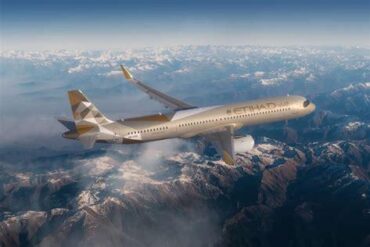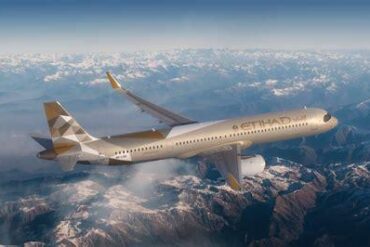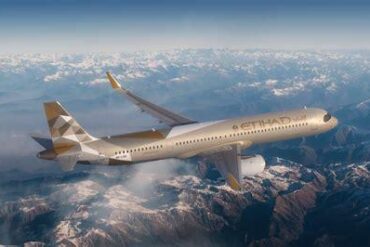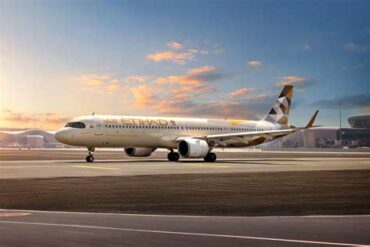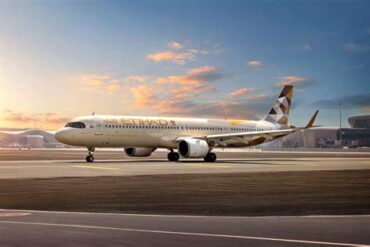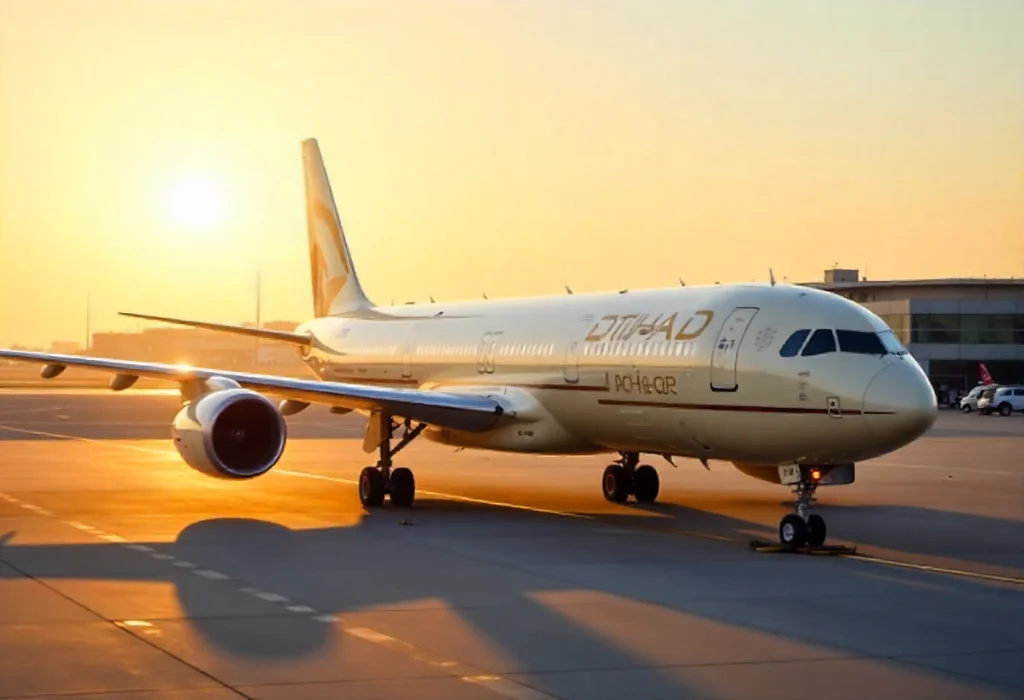
Etihad Airways has taken a bold step into the future of single‑aisle travel by adding the Airbus A321LR to its fleet, joining industry peers JetBlue, Icelandair, Aer Lingus, Air Astana and Air Transat in redefining what premium narrowbody service can be. This strategic fleet move underscores Etihad’s commitment to delivering luxury, efficiency and extended-range capability on routes that traditionally relied on widebody aircraft.
Etihad’s Strategic Fleet Evolution
Etihad’s decision to acquire 30 Airbus A321LRs reflects a carefully considered expansion strategy designed to balance operational flexibility with elevated passenger experience. As airlines worldwide grapple with rising fuel costs and environmental scrutiny, the A321LR’s advanced fuel‑burn improvements and extended range make it an ideal platform for both regional and longer point‑to‑point services. By integrating this narrowbody workhorse, Etihad not only enhances its network reach but also solidifies Abu Dhabi’s status as a premier global hub.
Milestone Delivery of the First A321LR
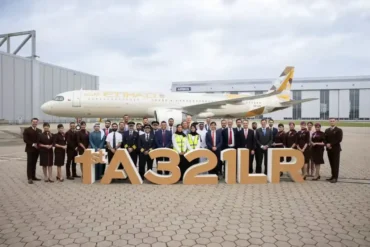
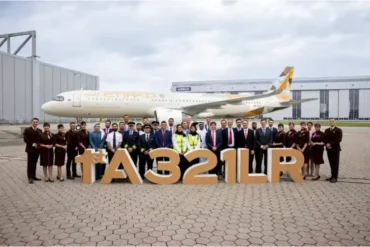
On August 1, 2025, Etihad celebrated the arrival of its first Airbus A321LR—a moment CEO Antonoaldo Neves described as “changing everything we thought possible on a single‑aisle plane.” This inaugural aircraft marks the beginning of a fleet modernization program that will see 29 additional A321LRs delivered through the end of the year. For Etihad, the A321LR delivery signifies more than just a new asset; it heralds an era where luxury cabins and widebody‑level amenities become the norm on routes under 7,400 kilometers.
Unprecedented Cabin Configurations
The A321LR introduces a three‑class layout never before seen on Etihad narrowbodies:
First Suites: Etihad’s signature First Suites now appear on a single‑aisle platform, offering fully enclosed private cabins with sliding doors, a fully‑flat bed, bespoke cabinetry, a 20‑inch 4K entertainment screen, Bluetooth audio pairing and wireless charging. The suites even accommodate a companion, ensuring a social yet exclusive atmosphere.
Business Class: Fourteen seats in a 1‑1 herringbone configuration guarantee direct aisle access and unobstructed window views for every Business Class passenger. Each seat boasts a 17.3‑inch 4K monitor, Bluetooth headphone pairing and integrated wireless charging capabilities, mirroring the comforts found on Etihad widebody services.
Economy Class: The Economy section features 144 seats with an industry-leading 31‑inch pitch, 13.3‑inch 4K touchscreen displays, USB and Bluetooth connectivity, and enlarged overhead bins to ease carry‑on storage. Thoughtful design elements, from ergonomic headrests to ambient LED lighting, elevate the economy travel experience.
State‑of‑the‑Art Onboard Amenities
Etihad’s A321LR fleet rollout includes the installation of Viasat’s high‑speed satellite Wi‑Fi, capable of delivering up to 100 Mbps per passenger. This ensures uninterrupted streaming, video conferencing and social media engagement throughout flights. By September 2025, high-speed connectivity will be live across all Asian A321LR routes, allowing business and leisure travelers to remain fully connected.
Expanding Route Network and Passenger Growth
The A321LR’s versatility aligns perfectly with Etihad’s aggressive route expansion. Already in 2025, the airline has launched or announced 27 new services, and plans to welcome 38 million passengers annually by 2030 as part of its Vision 2030 strategy. The first A321LR commercial flight will connect Abu Dhabi and Phuket, with subsequent deployments to Algiers, Bangkok, Chiang Mai, Copenhagen, Düsseldorf, Kolkata, Milan, Paris and Zurich. These additions not only broaden Etihad’s global reach but also optimize aircraft utilization across markets.
Reinforcing Abu Dhabi as a Global Hub
By leveraging the A321LR’s range and efficiency, Etihad enhances connectivity through Abu Dhabi International Airport, positioning it as a preferred transfer point between Europe, Asia and emerging markets. The ability to operate longer thin routes with a single‑aisle aircraft reduces operational costs and enables more frequent departures, giving business travelers greater flexibility and leisure passengers more travel options.
Market Impact and Competitive Edge
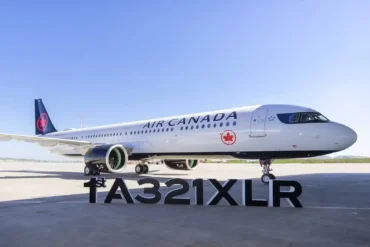
Etihad’s adoption of the A321LR places it at the forefront of a growing trend among airlines to prioritize premium narrowbody product offerings. JetBlue’s Mint‑equipped A321LRs on transatlantic flights, Icelandair’s replacement of aging 757s, Aer Lingus’s transatlantic deployments, Air Astana’s European‑Asia network upgrades and Air Transat’s South American services all exemplify how carriers leverage this aircraft to capture new markets and drive ancillary revenue through premium seating.
Environmental Efficiency and Sustainability
The A321LR delivers up to 20% better fuel efficiency per seat compared to earlier generation narrowbodies, thanks to its sharklet winglets, aerodynamic refinements and cutting‑edge engine technology. Reduced fuel burn translates directly into lower carbon emissions—an essential consideration as regulators worldwide tighten CO₂ standards. For Etihad, the move supports its sustainability commitments by lowering per‑passenger environmental impact while maintaining profitability on longer routes.
Passenger Experience: Redefined Expectations
Passengers flying Etihad’s A321LR can expect a seamless journey from check‑in to arrival. The airline’s proprietary cabin air filtration system, mood lighting options and noise‑reducing insulation combine to create a tranquil onboard environment. Culinary offerings have been tailored for each cabin class, featuring regionally inspired menus curated by award‑winning chefs and complemented by premium beverage selections.
Technology Integration and In‑Flight Service
Advanced seatback IFE systems support Bluetooth pairing for personal audio devices, while wireless charging pads eliminate the need for cords. Real‑time flight information displays keep passengers informed about route progress, weather conditions and connecting flight details. Cabin crew are equipped with tablet devices to deliver personalized service, from on‑board duty‑free purchases to customized amenity requests.
Strategic Partnership with Airbus
Etihad’s strong relationship with Airbus has been instrumental in tailoring the A321LR to meet its exacting specifications. Collaborative efforts on cabin layout, galley design and weight optimization have yielded an aircraft that aligns with the airline’s luxury positioning while achieving operational efficiencies. Ongoing support and maintenance agreements ensure high dispatch reliability and minimal downtime.
Future Deliveries and Growth Prospects
Following the inaugural delivery, Etihad expects six additional A321LRs by the end of Q3 2025, with the full complement of 30 set to arrive by late 2026. This phased delivery schedule allows for crew training, route testing and customer feedback integration, ensuring a smooth rollout. As the fleet scales up, Etihad will explore deploying the A321LR on thinner long‑haul missions such as Abu Dhabi to Athens and Casablanca.
Industry Implications and Competitive Dynamics
The widespread adoption of the A321LR signals a shift away from traditional hub‑and‑spoke models toward more agile point‑to‑point networks. Airlines can now economically serve markets that once required widebody jets—opening the door to new city pairs, reducing layover times and increasing frequency. Passengers stand to benefit from more direct flights, reduced overall travel time and premium cabin availability on routes previously limited to economy or business class only.
Conclusion: A New Standard in Narrowbody Luxury
Etihad’s introduction of the Airbus A321LR represents a watershed moment in single‑aisle aviation. By marrying extended range, enhanced fuel efficiency and uncompromising luxury cabins, the airline sets a new benchmark for premium narrowbody service. As the global fleet expands and more carriers follow suit, the narrowbody segment will evolve into a versatile platform capable of delivering widebody‑level experiences—reshaping the competitive landscape and enriching passenger expectations worldwide.