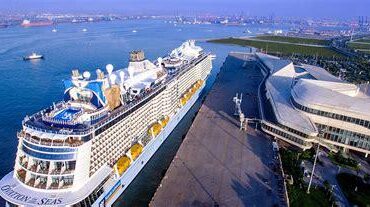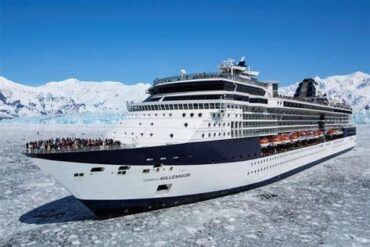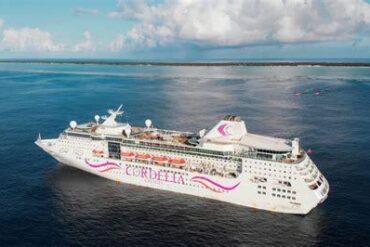
Cruise vacations promise luxury, serenity, and unforgettable views of the open sea. But when the ocean becomes hostile, particularly during a tsunami event, fear surges through the minds of passengers and crew alike. The common assumption is clear: tsunamis and cruise ships don’t mix well. The image of a towering wave engulfing a floating city is both cinematic and terrifying. Yet, marine science and emergency protocol reveal a far less dramatic — and surprisingly reassuring — truth.
Understanding the Nature of Tsunamis
Tsunamis are not like typical wind-driven waves. They are seismic sea waves, generated by massive disturbances such as underwater earthquakes, landslides, or volcanic eruptions. These waves are incredibly long — with wavelengths sometimes spanning hundreds of kilometers — and they travel across oceans at speeds up to 500 miles per hour.
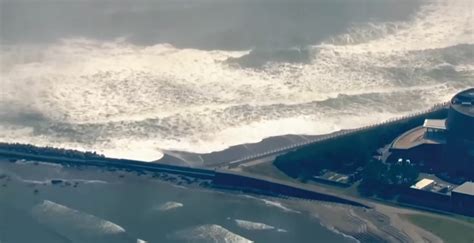
However, in deep ocean waters, their amplitude (wave height) is minuscule — often just a few feet high. The deadly force of a tsunami only manifests when it nears the coast and the sea bed shallows, causing the wave to grow vertically and crash violently onto shorelines.
Why Cruise Ships Are Safer in Deep Waters
Contrary to instinct, cruise ships are actually safest in deep ocean during a tsunami threat. The reason lies in the wave dynamics of tsunamis. While a tsunami wave can grow to towering heights near land, it remains almost undetectable in deep water. This means a ship located miles offshore and in depths exceeding 100 meters (328 feet) will likely ride over the wave without incident.
This was echoed by the International Tsunami Information Center, which states that cruise ships in deep water should not return to port during a tsunami warning. The real danger lies not at sea, but near the coast. Ports and harbors, with their shallower depths, can experience violent water surges, rapidly changing currents, and massive debris damage, making them death traps during such events.
Real-World Application: The 2025 Tsunami Alert
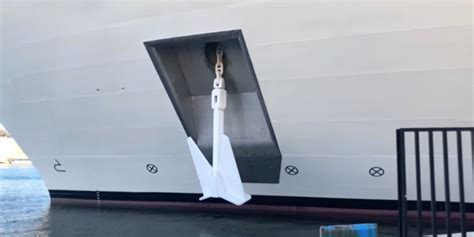
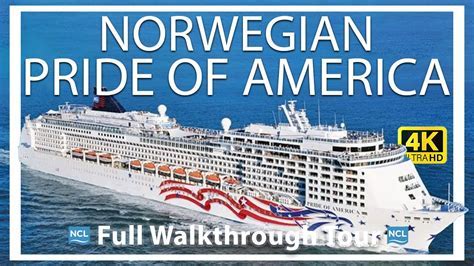
When a magnitude 8.8 earthquake struck near the Russian coastline in July 2025, triggering tsunami warnings across Japan, Hawaii, and the U.S. West Coast, cruise operators swiftly implemented emergency procedures. The Norwegian Cruise Line’s Pride of America, for example, left port early in Hilo, Hawaii, stranding many passengers. The decision was not out of disregard for customer convenience but rather a necessary life-saving measure.
Norwegian Cruise Line explained that emergency protocols required the vessel to immediately head into open water, ensuring the safety of those onboard. Passengers left behind were advised to seek shelter at elevated inland locations, and many were housed temporarily in a local high school.
Port Areas: The Real Tsunami Hazard Zone
While the imagery of a ship facing a tsunami in the open sea seems terrifying, the most dangerous place for any vessel during such events is actually within the confines of a port or near the shoreline. As tsunami waves push into bays and harbors, their energy becomes compressed, resulting in chaotic, powerful surges and backflows.
Ports also contain a multitude of fixed structures — piers, loading docks, buoys — which can break free and become hazardous projectiles. Smaller vessels, tugboats, and other marine traffic can create further risk of collision. Moreover, the sudden fluctuation in water levels can damage propulsion systems and rudders, rendering large cruise liners uncontrollable or stranded.
Preparedness and Evacuation Protocols
Cruise lines operating in tsunami-prone regions, such as the Pacific Ring of Fire, maintain strict risk mitigation protocols. These often include:
- Real-time seismic monitoring from international tsunami warning systems.
- Pre-planned evacuation routes to deeper waters.
- Continuous crew training for emergency scenarios.
- Collaboration with local port authorities and weather services.
According to the Hawaii Boater’s Hurricane and Tsunami Safety Manual, ships should head at least two miles offshore and reach depths greater than 300 feet the moment a tsunami advisory is declared. This strategic retreat ensures minimal wave impact and provides time to maneuver away from any projected coastal turbulence.
What Happens to Ships Caught in Port?
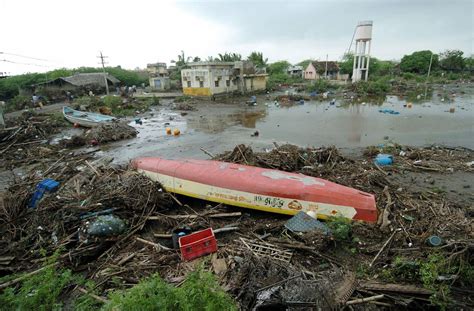
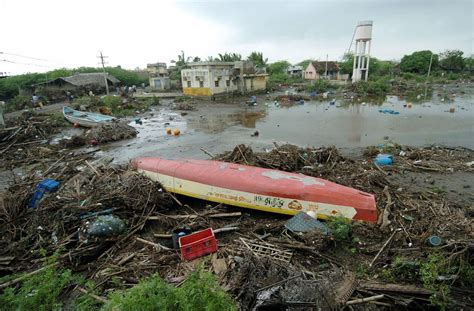
In rare cases where a cruise ship is unable to leave port in time, the results can be severe. The 2004 Indian Ocean tsunami, one of the deadliest in recorded history, demonstrated the destructive potential of port-based vessels during such events. Though no major cruise ships were directly struck, many smaller boats and coastal infrastructure were obliterated.
Tsunami waves often arrive in multiple surges, spaced minutes to hours apart. Ships moored or anchored near the coast can become trapped between receding water and incoming surges, leading to capsizing or hull damage. The combination of drag force, lateral wave impact, and suction during wave withdrawal is enough to tear even large vessels from moorings.
Psychological Perception vs. Maritime Reality
Popular media often depicts tsunamis as towering waves devastating anything in their path. While this may hold true near coastlines, the reality for deep-sea vessels — including modern cruise ships — is far less dire. The misunderstanding often leads to public panic when cruise travel intersects with tsunami news.
However, the maritime industry is highly attuned to natural disaster forecasting. Cruise ships are equipped with advanced navigational radar, sonar, and satellite communication, allowing them to receive real-time updates. Captains and officers are trained to react swiftly, often relocating entire vessels within minutes of receiving warnings.
This response system minimizes both structural risk and human casualties. The robust design of contemporary cruise ships, some of which weigh upwards of 150,000 tons and stretch over 1,100 feet long, makes them remarkably stable and resilient in the face of sea-level fluctuations in deep water.
Will Tsunamis Doom Cruise Ships?
In a word: no. While tsunamis are catastrophic forces for coastal regions, their impact on cruise ships situated in deep water is minimal to nonexistent. The key lies in distance from the shore and depth of the sea floor beneath the vessel.
Cruise lines take this into account, often rerouting ships well before danger nears. The biggest risks during a tsunami lie with:
- Passengers ashore during excursions.
- Vessels docked or moored near port.
- Infrastructure damage causing logistical complications.
As evidenced by Norwegian Cruise Line’s swift response in July 2025, cruise companies prioritize proactive safety and rapid coordination with emergency management agencies.
Final Thought: Choose Your Cruise with Confidence
Tsunamis will always remain a formidable natural hazard, but for those aboard a cruise ship navigating the vast deep ocean, the risk is not only manageable — it’s extremely low. The engineering, planning, and emergency preparedness in the cruise industry ensure that such vessels can ride out seismic sea waves with little or no consequence.
Understanding the science of tsunamis and how modern cruise ships operate should replace fear with confidence. Rather than being doomed, cruise ships during tsunami events are often in the safest place they can be — out at sea.