The Paradox of Speed in Stealth Aircraft
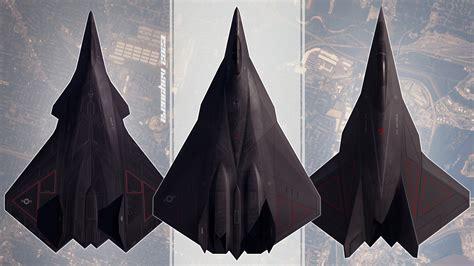
The concept of stealth in fighter jet design is often associated with invisibility, silence, and the ability to vanish into the radar noise of the skies. But speed, once a presumed ally of stealth, has historically been a double-edged sword. In several early-generation stealth aircraft, increased velocity didn’t enhance survivability — it compromised it.
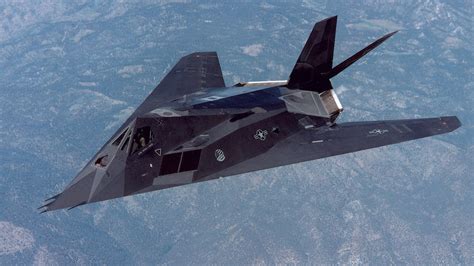
During the early 1990s, the U.S. military operated several groundbreaking stealth aircraft, the most iconic being the F-117 Nighthawk. Designed with sharp, angular surfaces and coated in radar-absorbent materials, the Nighthawk was engineered to evade detection. However, the faster it moved, the more detectable it became.
Heat, Turbulence, and the Radar Signature
High-speed flight generates immense aerodynamic friction, producing thermal radiation that even basic infrared systems can detect. This heat output — particularly from jet exhaust — becomes especially problematic at supersonic speeds. In the case of the F-117, its high-velocity movements produced distinct radar and infrared signatures, especially noticeable to improved enemy tracking systems of the time.
Another key factor is aerodynamic turbulence. As stealth jets reach higher speeds, the smooth laminar airflow over their surfaces becomes unstable, producing fluctuations detectable by Doppler radar systems. These disturbances, combined with the unique radar reflections of stealth-angled surfaces, can render aircraft visible to adversaries who would otherwise remain blind to them.
Design Constraints of Early Stealth Technology
The solution at the time was both simple and restrictive: avoid supersonic speeds. Pilots of early stealth jets had to remain within strict flight envelopes to minimize radar exposure. This meant flying at subsonic speeds and limiting sharp maneuvers, which directly reduced tactical flexibility.
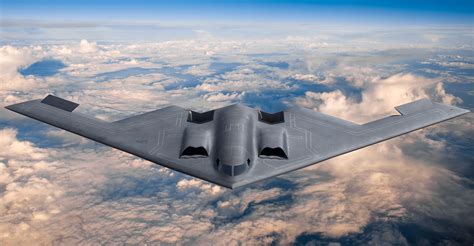
Aircraft like the B-2 Spirit, designed with a flying wing profile and no afterburners, made similar sacrifices. While this helped minimize thermal emissions and maintain stealth, it simultaneously limited operational reach and agility. Speed, once a cornerstone of fighter survivability, was now a liability — unless engineers could solve the paradox.
Engineering Breakthroughs and the Rise of the F-22 Raptor
By the mid-2000s, advancements in aeronautical engineering, materials science, and computing led to a new era in stealth aircraft design. The F-22 Raptor, introduced in 2005, represented the apex of this evolution.
Designed with stealth as a foundational element — not an afterthought — the F-22 incorporated:
- Thrust-vectoring engines placed deep within the fuselage to reduce radar visibility.
- Internal weapons bays to eliminate protrusions that could reflect radar.
- Advanced composite materials that absorbed radar across multiple frequencies.
- A cooling system that minimized infrared exhaust trail visibility.
Crucially, the F-22 could supercruise — sustain supersonic speeds without using afterburners, preserving both stealth and fuel efficiency. This finally allowed pilots to maneuver freely at high speeds without compromising invisibility.
Modern Stealth Fighters and Mission Versatility
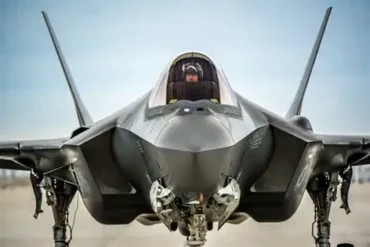
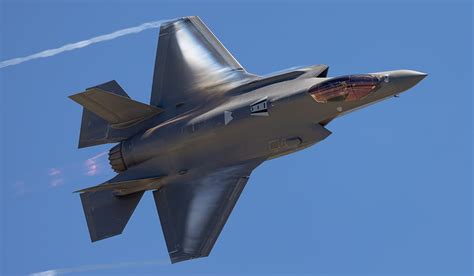
Following the F-22, the F-35 Lightning II continued the trajectory of stealth excellence. Designed as a multi-role fighter, the F-35 emphasized both radar evasion and combat adaptability, featuring a reduced radar cross-section, internal weapons storage, and high-tech sensor fusion that allows it to operate in contested airspace undetected.
Unlike its predecessors, the F-35 can perform air-to-air combat, precision strikes, and electronic warfare in the same mission cycle. These capabilities would not have been possible in early stealth jets constrained by speed limits and thermal management.
The Speed-Stealth Balance: Mastered at Last
The painful lessons of early stealth aviation revealed a fundamental truth: speed alone does not guarantee survival. True dominance in air combat comes from the delicate interplay of velocity, radar evasion, and agility. Where early jets were forced to choose between stealth and speed, modern fighters like the F-22 and F-35 embrace both.
Thanks to decades of innovation, the speed that once made stealth jets easier to track is now harnessed — not hidden — by the invisible wings of modern air supremacy.