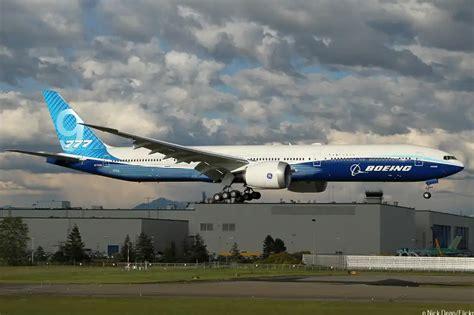
The Boeing 777X, the aerospace giant’s next-generation widebody, represents the future of long-haul, high-capacity air travel. Touted as the largest and most advanced twin-engine jet ever built, the 777X is a cornerstone of Boeing’s strategy to retain dominance in the widebody market. But in 2024, a critical technical flaw nearly derailed the program entirely.
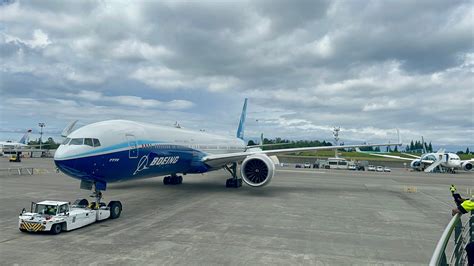
The Engine Thrust Link Crisis That Grounded The 777X Fleet
In August 2024, a structural fault emerged within one of the 777X’s most vital components: the thrust control links of the General Electric GE9X engines. These elements serve a fundamental role in transferring engine-generated loads into the pylon and wing structure, ensuring stability and performance under extreme flight conditions.
The issue centered on a defective forward engine-to-strut bolt—seemingly small, yet indispensable for structural integrity. Under specific stress scenarios, engineers discovered this bolt could fail to perform within the stringent safety tolerances mandated by regulatory authorities.
This revelation forced Boeing to ground all four 777X test aircraft immediately. The Federal Aviation Administration (FAA), already cautious given Boeing’s high-profile safety challenges with the 737 MAX and 787 Dreamliner, heightened its scrutiny.
Crucially, this was not the first technical challenge for the 777X. The program had already faced delays from an “uncommanded pitch event” during 2020 flight tests, where the aircraft’s nose pitched upward unexpectedly. Each setback compounded the pressure on Boeing to deliver a reliable, certifiable aircraft amidst intense regulatory and market scrutiny.
Engineering A High-Stakes Solution
Addressing the thrust link issue demanded more than a quick fix. Boeing initiated a comprehensive internal investigation in collaboration with GE Aerospace, the manufacturer of the GE9X engines. Structural engineers determined that the fault presented unacceptable risks, particularly concerning the aircraft’s compliance with Extended-range Twin-engine Operational Performance Standards (ETOPS).
Throughout late 2024, Boeing engineers designed a reinforced solution involving:
- Strengthening the forward engine attach bolt.
- Modifying the pylon structure to better distribute load forces.
- Maintaining alignment and stress tolerances to avoid redesigning the entire engine mount assembly.
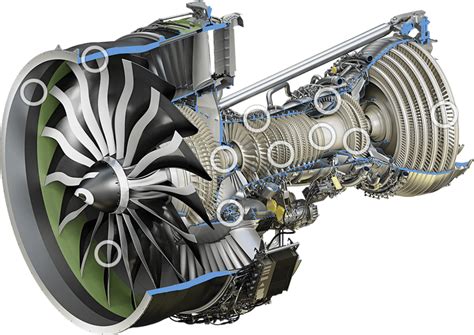
This strategy allowed Boeing to implement precise structural reinforcements without triggering cascading changes to surrounding systems, which could have introduced further delays.
By December 2024, Boeing integrated the redesigned thrust link components into the test fleet. Extensive static and dynamic load tests commenced in January 2025 to validate the enhancements under simulated operational extremes.
The FAA remained deeply embedded in the process, overseeing testing to prevent additional certification delays.
Return To Flight Testing: A Pivotal Milestone
In mid-January 2025, Boeing achieved a crucial breakthrough: FAA approval to resume flight testing of the 777X. This marked the aircraft’s return to the skies after nearly five months grounded.
The first post-modification flight focused on evaluating the reinforced engine attachment system across a spectrum of load scenarios. Boeing’s engineering teams reported the aircraft performed within expected parameters, reinforcing confidence in the fix’s integrity.
According to Aviation Week, Boeing plans to retrofit all 777X test aircraft with the new thrust link assemblies as part of a broader structural revision package. These enhancements aim to address not only the immediate issue but also long-term fatigue concerns within the load-bearing components.
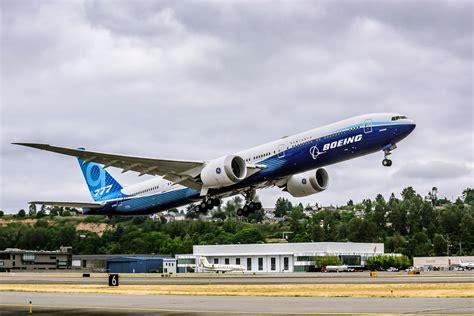
With over 1,400 flights and nearly 4,000 flight hours completed to date, the 777X test campaign is regaining momentum. Certification is now realistically targeted for late 2025 or early 2026, barring unforeseen disruptions.
What This Means For Global Airlines
For airlines awaiting the 777X, the resolution of the thrust link crisis brings renewed optimism. Carriers such as Emirates, Lufthansa, and Qatar Airways—some of the largest customers for the aircraft—had faced mounting uncertainty as delays stretched beyond the original 2020 entry-into-service timeline.
Emirates President Tim Clark, a vocal critic of past delays, has publicly commended Boeing’s transparency and technical rigor in addressing the recent setback. However, he remains firm on expectations for uncompromised performance.
Verified Boeing 777X Orders (As of May 2025):
- Emirates: 205 orders
- Qatar Airways: 124 orders
- Singapore Airlines: 31 orders
- Lufthansa: 27 orders
- Etihad Airways: 25 orders
- Korean Air: 20 orders
- Cathay Pacific: 21 orders
- All Nippon Airways (ANA): 20 orders
- British Airways (IAG): 24 orders
- China Airlines: 14 orders
- Air India: 10 orders
- Cargolux: 10 orders
- Ethiopian Airlines: 8 orders
- Silk Way West Airlines: 2 orders
Totaling 541 firm orders, the 777X remains a highly anticipated addition to the long-haul, high-capacity market.

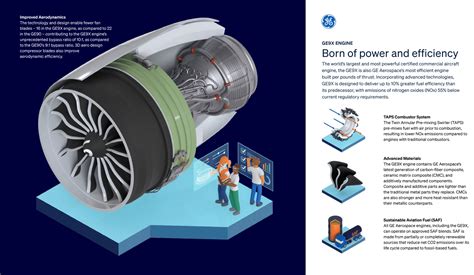
Industry analysts believe the 777X’s advanced features—folding wingtips, composite wings, wider cabin space, and the ultra-efficient GE9X engines—continue to offer a compelling value proposition for airlines focused on fuel efficiency and passenger comfort.
Lessons For The Future Of Aircraft Development
The thrust link crisis underscores the growing complexity of developing next-generation aircraft under intensifying regulatory oversight. As Boeing and Airbus push technological boundaries, the margin for error narrows.
Critics argue Boeing’s recent missteps, including those with the 737 MAX, reflect systemic engineering and management challenges. Yet, others see the 777X’s recovery as evidence of effective crisis management and problem-solving.
The collaborative response involving Boeing, GE Aerospace, and the FAA highlights the importance of integrated development frameworks, transparent communication, and rigorous validation at every stage.
Boeing is expected to apply lessons from the 777X program to upcoming initiatives, such as:
- The proposed New Midsize Airplane (NMA).
- Next-generation freighters.
- Enhanced ground-based testing to replicate extreme conditions more effectively.
The crisis has also spurred broader industry discussions about early-stage design validation, particularly for critical attachment points that face extreme operational stresses.
The Road Ahead For The 777X And Boeing
The resolution of the thrust link issue marks a turning point for the 777X program. While significant challenges remain, Boeing’s decisive engineering response and transparent regulatory engagement have stabilized the project.
With flight testing advancing and confidence among major customers returning, the 777X is regaining its trajectory toward certification and service entry.
For Boeing, success with the 777X is about more than just delivering an aircraft—it’s about restoring credibility, demonstrating engineering resilience, and proving the company’s capacity to navigate setbacks in an era of unprecedented aviation scrutiny.
The world will be watching closely as Boeing pushes toward 2026, eager to witness the 777X’s debut not just in airline livery, but as a symbol of innovation, perseverance, and hard-won engineering triumph.