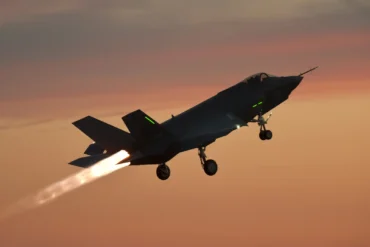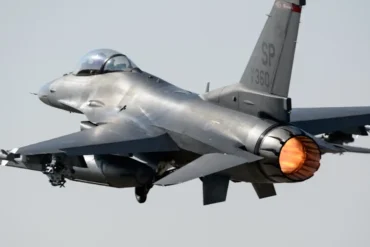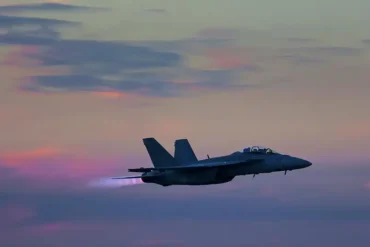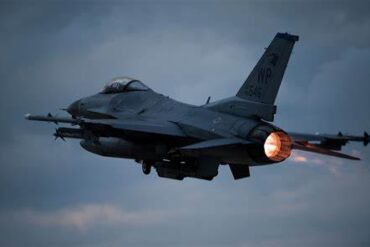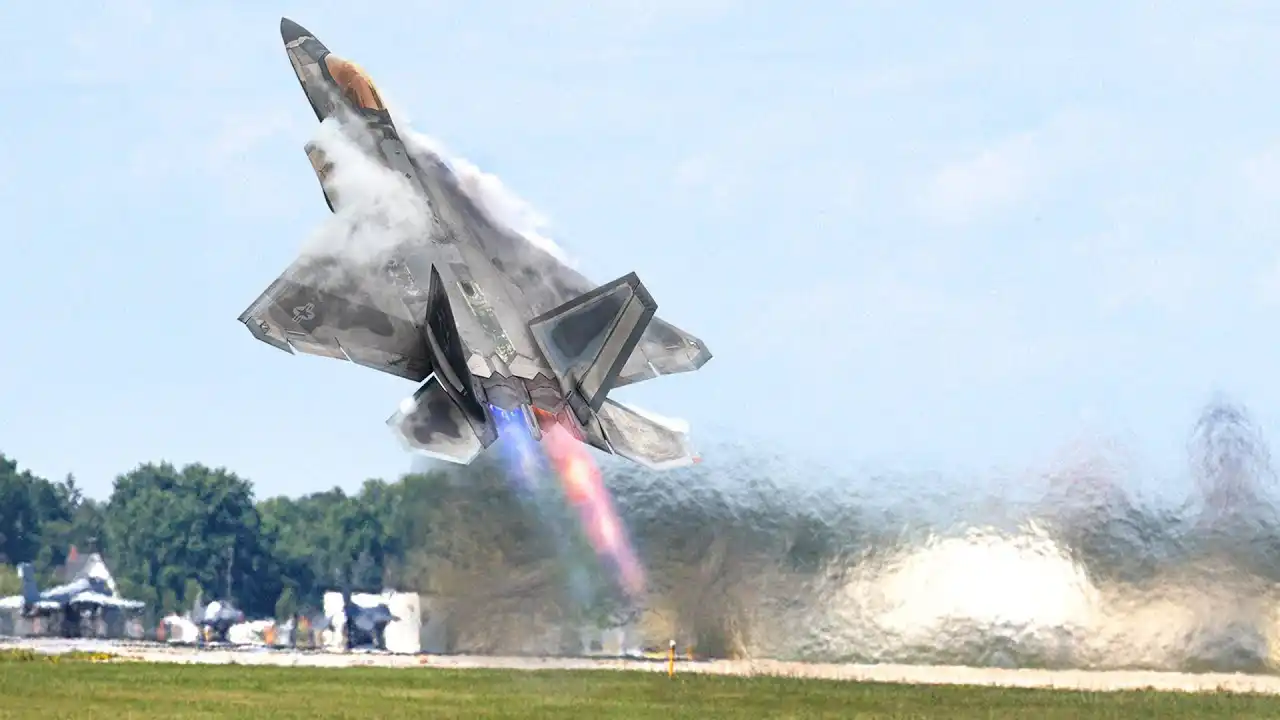
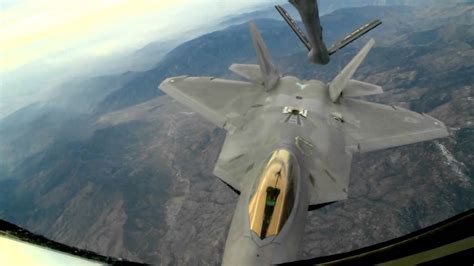
The F-22 Raptor, developed by Lockheed Martin, is one of the most advanced fifth-generation fighter jets in the world. At the core of its unmatched aerial superiority lies its afterburner-equipped Pratt & Whitney F119-PW-100 turbofan engines. The afterburner is a crucial component that allows the F-22 to achieve unparalleled speed, agility, and combat effectiveness. In this article, we explore the functionality, design, performance trade-offs, and future advancements of the F-22’s afterburner.
How the F-22 Afterburner Works
The afterburner is an engine component that injects additional fuel into the exhaust stream of a turbofan engine, igniting it to produce a significant boost in thrust. This process allows the F-22 Raptor to reach extreme speeds, particularly in combat scenarios requiring rapid acceleration and high maneuverability.
Each F119-PW-100 engine produces 35,000 pounds of thrust with the afterburner engaged, giving the F-22 a combined thrust of 70,000 pounds. This immense power allows the aircraft to achieve a top speed of Mach 2.25 (2,414 km/h or 1,500 mph) when necessary. The ability to activate and deactivate the afterburner dynamically is a key factor in the F-22’s dominance in air combat.
Thrust Vectoring: A Game-Changer in Maneuverability
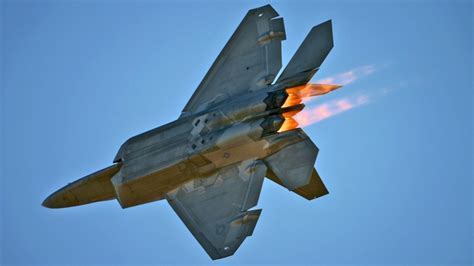
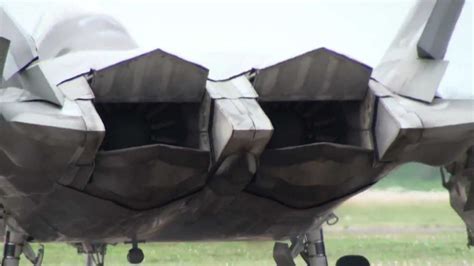
Unlike conventional fighter jets, the F-22’s F119 engines feature two-dimensional thrust vectoring nozzles, capable of deflecting ±20 degrees vertically. This design enhances the aircraft’s ability to perform supermaneuverable air combat maneuvers, including the Pugachev’s Cobra and J-Turns, allowing pilots to outmaneuver adversaries in dogfights.
With thrust vectoring integrated into the afterburner system, the F-22 can adjust its flight path instantaneously, making it highly unpredictable in close-range engagements. This capability significantly enhances short takeoff and landing performance, further increasing the aircraft’s tactical versatility.
Fuel Consumption and Operational Constraints
While the afterburner provides an extraordinary boost in power, it comes at a cost: high fuel consumption. Activating the afterburner dramatically reduces the aircraft’s range, limiting its endurance in prolonged missions. To mitigate this, F-22 pilots rely on the aircraft’s ability to cruise at Mach 1.5–1.8 without afterburner (supercruise capability), preserving fuel while maintaining a high speed.
In long-range combat patrols or stealth operations, afterburner use is minimized to reduce fuel burn and maintain stealth. However, in high-speed interception scenarios or during intensive air combat, it becomes an indispensable asset.
Afterburner Impact on Stealth and Heat Signature Management
A major drawback of afterburners is the significant increase in infrared (IR) emissions, making the F-22 more detectable by enemy infrared search and track (IRST) systems and heat-seeking missiles. To counter this, the F-22 features serrated nozzle edges and advanced thermal coating to help disperse and reduce heat emissions.
Despite these measures, prolonged afterburner use compromises stealth, meaning the F-22 primarily operates in stealth mode, engaging the afterburner only when necessary for evasive maneuvers, supersonic interception, or emergency combat scenarios.
Recent Upgrades and Future Advancements
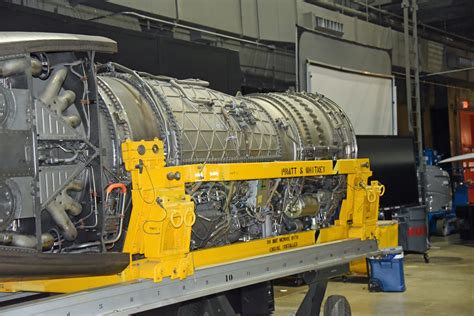
The Pratt & Whitney F119 engines have undergone continuous improvements through software updates and additive manufacturing techniques. Recent Full Authority Digital Engine Control (FADEC) upgrades have optimized fuel efficiency, thrust output, and durability without requiring hardware modifications.
Additionally, 3D printing technology has been introduced in producing certain engine components, reducing manufacturing costs and improving part reliability. These advancements ensure the F-22 remains competitive, even as next-generation aircraft like the NGAD (Next-Generation Air Dominance) fighter are developed.
The Future of Afterburner Technology
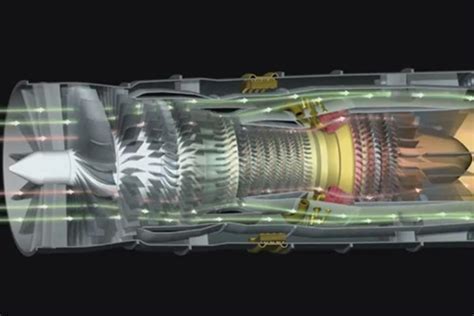
With emerging technologies such as adaptive cycle engines, future fighter jets may no longer need conventional afterburners to achieve high-speed performance. Adaptive engines can dynamically adjust their airflow to optimize both fuel efficiency and power output. The Next-Generation Air Dominance (NGAD) program is expected to incorporate these innovations, reducing the reliance on traditional afterburner designs while enhancing combat endurance and stealth.
Conclusion
The F-22 Raptor’s afterburner is a key component of its unparalleled aerial superiority, enabling exceptional speed, thrust, and maneuverability. However, its high fuel consumption and increased infrared signature require strategic use in combat. With continuous upgrades and emerging propulsion technologies, the afterburner’s role is evolving, ensuring the F-22 remains at the forefront of air dominance in the modern battlefield.
Frequently Asked Questions
How does the F-22’s afterburner enhance its combat effectiveness?
The afterburner significantly increases thrust, allowing the F-22 to perform high-speed interceptions, rapid acceleration, and extreme maneuverability in combat. It plays a crucial role in dogfights and missile evasion, giving the Raptor a decisive advantage.
Why doesn’t the F-22 use its afterburner all the time?
The afterburner consumes a massive amount of fuel and increases the aircraft’s infrared signature, making it more visible to enemy sensors. Instead, the F-22 relies on supercruise capability (sustained Mach 1.5–1.8 speed without afterburner) for efficient and stealthy operations.
Will future fighter jets still use afterburners?
With the development of adaptive cycle engines, future fighter jets may reduce or even eliminate the need for afterburners. The NGAD program is exploring next-generation propulsion systems that offer high-speed performance without excessive fuel burn or heat signature issues.