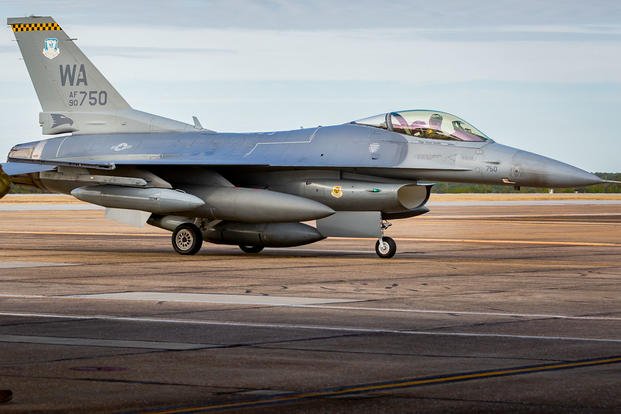
Lockheed Martin, a cornerstone of American aerospace and defense innovation, has taken a pivotal leap forward in its sustainability strategy by expanding the use of synthetic aviation turbine fuels (SATF) across two of its most iconic aircraft: the F-16 Fighting Falcon and the C-130 Hercules. This development builds on the earlier approval granted to the F-35 Lightning II, effectively enabling a wide operational spread of synthetic fuel compatibility across key tactical and logistical aircraft.
This advancement is more than a technical update — it is a direct response to growing demands for energy resilience, reduced carbon emissions, and operational flexibility in increasingly unpredictable global theaters. It also underscores Lockheed Martin’s alignment with the U.S. Department of Defense’s (DoD) broader objectives of energy diversification and supply chain security.
Synthetic Fuel Integration Marks Strategic Energy Shift
Lockheed Martin’s approval to use synthetic fuels in the F-16 and C-130 platforms comes after a rigorous technical evaluation that confirmed the fuels meet stringent performance criteria. This includes engine compatibility, fuel system integrity, and reliability under extreme mission conditions, such as high-altitude maneuvers, prolonged sorties, and diverse environmental settings.
The synthetic fuel blends approved for use contain up to 50% synthetic content, adhering to established flight manual authorizations. These blends are derived from both fossil-based and renewable sources, including natural gas, coal, used cooking oils, agricultural residues, and other advanced feedstocks. By maintaining blend flexibility based on raw material origin and production method, Lockheed Martin supports the global push toward fuel adaptability and environmental responsibility.
F-16 Fighting Falcon: Sustaining the Edge Through Fuel Flexibility
Often regarded as the world’s most combat-proven fourth-generation fighter, the F-16 has played a decisive role in air-to-air engagements, precision strikes, and close air support missions across global conflict zones. With more than 4,600 units built and deployed by 25 nations, the F-16’s legacy is one of tactical precision and versatility.
Mike Shoemaker, Vice President and General Manager of the Integrated Fighter Group at Lockheed Martin, emphasized how the SATF approval ensures the aircraft remains relevant and operationally superior: “Synthetic fuels compatibility ensures the F-16 remains ready to meet evolving operational demands, strengthens global fuel flexibility and keeps this critical platform at the forefront of allied airpower.”
Fuel logistics have historically posed risks in contested environments. By incorporating SATFs, the F-16 can now operate more flexibly in regions where traditional supply lines are compromised or unsustainable. This reduces dependency on specific fuel sources and broadens strategic basing options, allowing coalition forces to maintain readiness regardless of geopolitical constraints.
C-130 Hercules: A Tactical Airlift Powerhouse with Renewed Sustainability
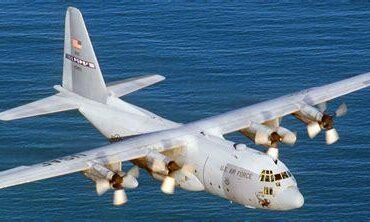
The C-130 Hercules is a name synonymous with tactical mobility and versatility. Operated by 28 militaries across 23 nations, it has proven itself in operations ranging from humanitarian relief and medevac to frontline resupply and intelligence gathering. The aircraft’s rugged design and adaptability make it indispensable in both peacetime and combat environments.
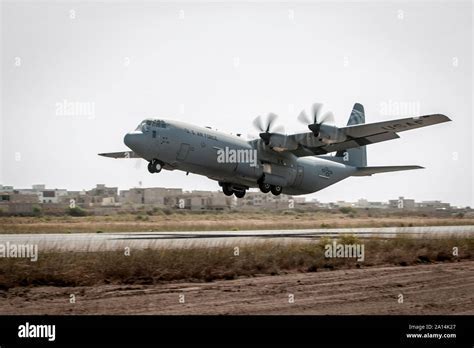
Rod McLean, Vice President and General Manager of Air Mobility & Maritime Missions, captured the broader impact of this advancement: “Approving synthetic fuels for the C-130 is more than an engineering milestone — it represents an environmental advantage from a reduced carbon emission perspective and reflects our commitment to ensuring this leading aircraft remains at the forefront of mission readiness, energy resilience and global interoperability for decades to come.”
This move also highlights Lockheed Martin’s foresight in ensuring the C-130 remains future-proof. As climate-focused regulatory frameworks evolve and governments place stricter mandates on carbon emissions, having an airframe like the C-130 ready for alternative fuel usage gives operators a strategic edge. Notably, synthetic fuels also burn cleaner, producing fewer particulates and enhancing long-term engine health.
Department of Defense Alignment and Energy Independence
This announcement places Lockheed Martin squarely in line with the U.S. Department of Defense’s strategic energy goals, particularly its drive toward fuel diversification, climate resilience, and operational readiness in contested environments. The ability to operate using SATFs enhances mission flexibility by offering access to alternative logistics chains and reducing the geopolitical exposure of traditional oil-based fuel dependency.
SATFs derived from renewable sources help mitigate operational risk while reducing greenhouse gas emissions, which aligns with DoD’s Climate Adaptation Plan. The ability to source fuel domestically from biomass or waste oils is also a critical advantage in the face of global supply chain volatility and potential adversary interference.
Environmental Benefits Without Operational Compromise
One of the central advantages of SATFs is that they deliver comparable energy density and combustion characteristics to conventional Jet-A or JP-8 fuels. This means no changes are required to engines, fuel systems, or flight profiles — a significant cost and complexity advantage. Moreover, these fuels have demonstrated excellent cold-weather and high-altitude performance, making them suitable for varied military operations.
From an environmental standpoint, SATFs can achieve life-cycle greenhouse gas reductions of up to 80%, depending on the feedstock and processing technology. They also typically emit fewer sulfur compounds and particulates, improving air quality around military bases and reducing wear on aircraft systems.
Industrial Innovation and Strategic Partnerships
Lockheed Martin’s ability to certify and integrate SATFs stems from its deep partnerships with fuel producers, regulatory bodies, and research institutions. Working in concert with the Air Force Research Laboratory (AFRL) and commercial synthetic fuel developers, the company has engaged in fuel testing programs that simulate operationally representative conditions to validate long-term performance and safety.
This cross-sector collaboration enables not only aircraft compatibility but also fuels the development of more efficient synthetic production pathways, such as Fischer-Tropsch synthesis and Hydroprocessed Esters and Fatty Acids (HEFA). These technologies are at the forefront of industrial decarbonization efforts and represent new opportunities for domestic energy sector growth.
Strategic Implications for Allied Forces
The implications of Lockheed Martin’s synthetic fuel initiative extend well beyond U.S. borders. As allied nations seek to modernize their fleets and achieve their own climate commitments, having platforms that are SATF-compatible gives partner air forces a significant advantage. It simplifies multinational logistics, aligns sustainability goals, and enhances interoperability in coalition operations.
This is especially critical in multinational exercises and humanitarian missions, where fuel sourcing may be constrained by infrastructure, regulation, or environmental protection laws. Aircraft like the F-16 and C-130 that can operate on regionally sourced synthetic fuels will have more versatile deployment options and fewer regulatory hurdles.
Future Outlook: Toward 100% Synthetic Compatibility
While current certifications allow for up to 50% synthetic fuel blends, the long-term vision is clear: full synthetic compatibility. Research continues into “drop-in” SATFs that replicate all chemical and physical properties of traditional jet fuel, allowing for 100% use without system modifications.
This transition will depend on scaling production, securing regulatory pathways, and advancing fuel technologies. However, Lockheed Martin’s leadership in this area places it ahead of the curve, ensuring its aircraft platforms remain not only combat-ready but also environmentally adaptive in the decades ahead.
Conclusion: A Defining Move for Aerospace Sustainability
Lockheed Martin’s decision to expand synthetic fuel use across its flagship platforms — the F-16 Fighting Falcon and C-130 Hercules — is a strategic pivot toward energy resilience, mission flexibility, and environmental stewardship. It showcases a forward-thinking vision where defense technology, sustainability, and operational supremacy converge. In an era where fuel supply chains are geopolitical fault lines and emissions targets are tightening globally, Lockheed Martin is not just keeping pace — it is charting the flight path for the future of military aviation.