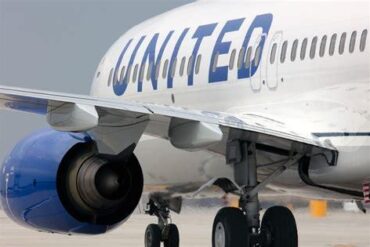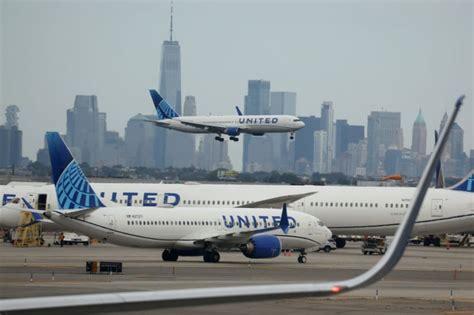
United Airlines is soaring to new heights in 2025, fueled by unprecedented passenger bookings, smart pricing strategies, and a robust recovery in global travel demand. As the airline capitalizes on renewed confidence in both business and leisure travel, it has cemented its position not just as a survivor of the pandemic downturn but as one of the leading financial performers in the global aviation sector. With record-breaking earnings and a soaring stock price, United’s recent success is the result of carefully calibrated decisions and an unwavering focus on customer satisfaction and operational excellence.
Unrelenting Demand and a Rebound in Bookings
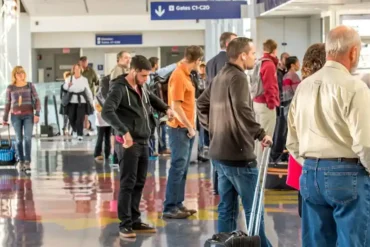
At the core of United Airlines’ success story lies a massive spike in travel demand. Following years of suppressed travel due to global health restrictions, the skies have opened once again—and United has been strategically positioned to capture the influx of bookings. During peak seasons, particularly summer and holiday periods, booking volumes surged beyond pre-pandemic levels, revealing a durable and enthusiastic return to travel.
The surge wasn’t limited to domestic flights. As international routes reopened, United moved swiftly to increase capacity on key transatlantic and transpacific services. High-performing destinations such as London, Tokyo, and São Paulo saw flight frequencies restored or even expanded, allowing the airline to recapture lucrative long-haul markets. Meanwhile, robust domestic traffic—driven by a healthy mix of business commuters and vacationers—reinforced the backbone of United’s revenue streams.
Strategic Pricing: Maximizing Yield without Compromising Loyalty
Alongside rising demand, United has masterfully leveraged pricing power to maximize profitability. By introducing dynamic fare structures tailored to both route competitiveness and seasonal fluctuations, the airline extracted higher yields per seat without alienating price-sensitive customers.
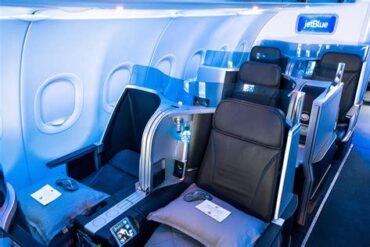
One key to this success has been differentiated pricing for premium services. With corporate travel resurging, business-class and first-class bookings increased significantly. United responded by investing in its premium cabins, offering superior in-flight experiences, upgraded lounges, and enhanced meal services, all of which justified higher price points and increased customer willingness to spend.
Importantly, United did not pursue price hikes in isolation. Bundled offers, loyalty incentives, and flexible cancellation policies provided value-added layers to pricing decisions, ensuring that even higher fares were perceived as fair and customer-centric. The result: strong revenue per available seat mile (RASM) growth and higher average ticket values across all markets.
Operational Excellence Driving Customer Retention
Behind United’s resurgence is a reinvigorated operational engine. The airline invested heavily in on-time performance initiatives, streamlined check-in processes, and modernized communication systems for real-time updates on delays and gate changes. These enhancements drastically improved customer satisfaction scores and reduced churn among frequent flyers.
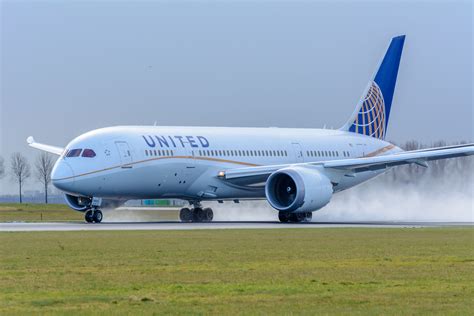
Additionally, fleet modernization has been pivotal. United introduced new, fuel-efficient aircraft such as the Boeing 787 Dreamliner and Airbus A321XLR, offering quieter cabins, greater range, and reduced environmental impact. These aircraft not only trimmed operating costs through better fuel efficiency but also elevated the passenger experience with upgraded interiors and smoother rides.
United’s ground operations also saw optimization, from more responsive baggage handling systems to improved turnaround times, all of which contributed to a faster, smoother, and more reliable travel experience. For corporate clients and high-tier loyalty members, this translated into a strong incentive to remain within United’s network.
Financial Performance: A Historic High
United Airlines’ latest earnings report paints a compelling picture of success. The airline reported a record operating income, driven by a powerful combination of volume and pricing growth. Revenue from international travel outpaced forecasts, while domestic flights delivered stable, consistent margins. Total revenue per seat mile grew, while costs remained relatively contained thanks to fleet efficiency and economies of scale.
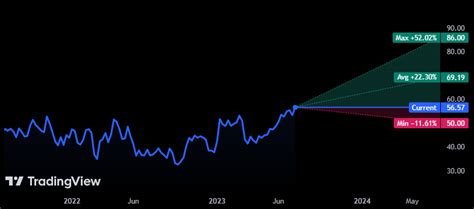
This financial windfall was not lost on Wall Street. United’s stock soared following the earnings release, posting one of the highest quarterly gains among U.S. carriers. Investor confidence, previously wary due to macroeconomic uncertainty, was bolstered by clear signs that United’s strategy was not only working but thriving in a competitive landscape. Market analysts upgraded the airline’s rating, citing its robust growth fundamentals, pricing power, and agile response to industry challenges.
Expanding Horizons: Route Growth and Market Penetration
Riding the wave of financial strength and rising demand, United Airlines has set its sights on aggressive expansion. New international routes have been announced across Latin America, Asia, and Europe—markets where United sees untapped potential. Emerging economies and post-pandemic tourism booms are being met with nonstop services from U.S. hubs, delivering seamless connectivity for both tourists and global businesses.
Domestically, United is reinforcing its strongholds by adding frequencies in high-traffic corridors like New York–Chicago, Los Angeles–Denver, and San Francisco–Houston. These high-yield routes are essential for maintaining passenger loyalty and maximizing fleet utilization. Additional investments are being made in hub airports to expand lounge space, add gates, and streamline inter-terminal transfers.
Sustainability: A Vision for Future-Proof Aviation
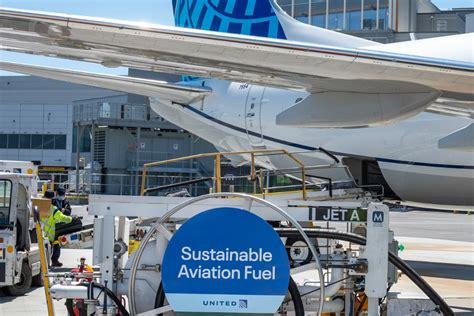
In a world increasingly concerned with environmental responsibility, United is taking serious strides to lead the aviation sustainability movement. The airline has committed to becoming 100% green by 2050, a goal that is being pursued through multiple avenues:
- Investment in Sustainable Aviation Fuel (SAF): United is partnering with suppliers and investing in SAF technologies to reduce lifecycle emissions.
- Fleet Modernization: New aircraft are more fuel-efficient and generate fewer emissions per seat.
- Carbon Offset Programs: United offers eco-conscious passengers opportunities to offset the environmental impact of their flights.
These initiatives aren’t just for optics—they serve to future-proof the airline’s operations against stricter environmental regulations and shifting consumer preferences.
A Leadership Team Steering Boldly
Much of United’s revival can be credited to its executive leadership, which has demonstrated foresight and resilience. CEO Scott Kirby and his senior management team adopted a data-driven approach, leaning into AI and predictive analytics for everything from route planning to staffing forecasts. Their transparency during earnings calls and proactive stakeholder communications have reassured investors, employees, and customers alike.
Under this leadership, United prioritized culture transformation, rebuilding workforce morale after pandemic-era layoffs and uncertainty. Employee training, upskilling programs, and better HR support mechanisms have fostered loyalty and operational consistency throughout the airline.
The Road Ahead: Sustained Momentum and Market Domination
Looking forward, United Airlines is not slowing down. With a strong war chest, an energized workforce, and a clearly defined growth strategy, the airline plans to continue dominating key international and domestic routes. Strategic code-share agreements, enhanced digital platforms for booking and rebooking, and ongoing loyalty program upgrades ensure that United is prepared to maintain—and grow—its competitive edge.
Market analysts project continued double-digit growth in revenue for the upcoming quarters, supported by rising passenger traffic and further pricing optimization. United’s ability to respond flexibly to external variables such as fuel prices, weather disruptions, and geopolitical events will be key to maintaining this momentum.
Conclusion: United Airlines is Not Just Recovering—It’s Leading
In an industry where many carriers are still clawing back from the pandemic’s financial and operational damage, United Airlines is thriving. Through visionary leadership, strategic pricing, booking recovery, and fleet modernization, it has rewritten the narrative of recovery. Instead of merely bouncing back, United has surged ahead.
With strong fundamentals, rising customer loyalty, investor confidence, and a future-forward sustainability roadmap, United Airlines is not just participating in the resurgence of global aviation—it is setting the pace. The airline’s trajectory now points not just to post-pandemic recovery, but to industry leadership well into the next decade.