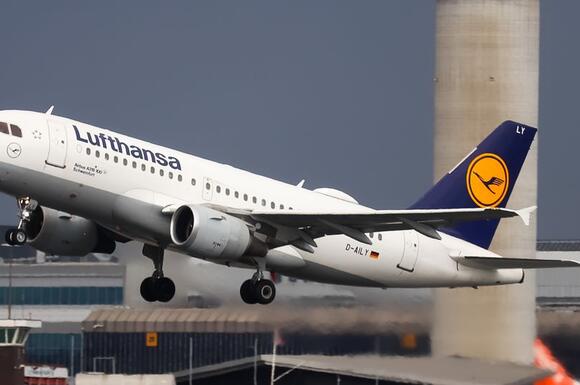
The era of casually plugging a power bank into a phone mid-flight has officially ended for millions of European travelers. The Lufthansa Group, one of the largest airline conglomerates in the world, has introduced a sweeping ban on the use of power banks onboard all its flights, marking a significant shift in how airlines are responding to lithium battery safety risks. Effective January 15, 2026, the policy applies not only to Lufthansa itself, but to every carrier operating under the group’s umbrella, instantly impacting short-haul commuters and long-haul international passengers alike.
This decision did not emerge in isolation. Over the past two years, aviation regulators and airlines have faced a rising number of incidents involving lithium-ion power banks overheating, emitting smoke, or igniting entirely. These events, known as thermal runaways, have proven difficult to predict and even harder to contain once they begin, especially at cruising altitude. Lufthansa’s move reflects a growing consensus that convenience must give way to caution when it comes to onboard battery use.
Why Lufthansa Is Taking a Hard Line on Power Banks
According to the Lufthansa Group, the ban is grounded in recommendations issued by major aviation authorities, including the European Union Aviation Safety Agency (EASA), the Federal Aviation Administration (FAA), and global bodies such as the International Civil Aviation Organization (ICAO) and the International Air Transport Association (IATA). These organizations have repeatedly warned airlines about the unique dangers posed by high-density lithium batteries in confined aircraft cabins.
While passengers may still carry power banks in their hand luggage, the new rules prohibit using them to charge phones, tablets, laptops, or any other electronic devices during the flight. Charging the power bank itself using onboard power outlets is also strictly forbidden. The objective is simple but critical: eliminate active energy transfer, which significantly increases the risk of overheating.
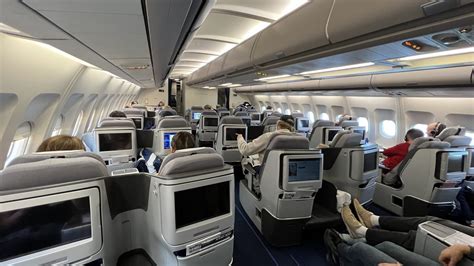
The Lufthansa Group has emphasized that this is a preventive measure rather than a reaction to a single incident within its own fleet. By acting now, the airline aims to reduce the likelihood of emergencies that could endanger passengers, crew members, and aircraft.
Clear Limits on Quantity, Capacity, and Storage
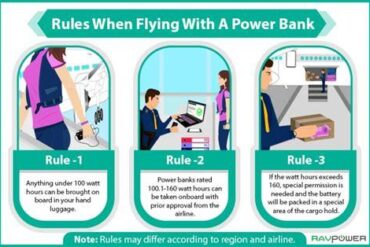
Beyond banning usage, Lufthansa has introduced strict limits on how power banks are carried. Each passenger may bring a maximum of two power banks onboard, aligning with standards already adopted by several Asia-Pacific carriers. Devices rated between 100 Wh and 160 Wh require prior airline approval, while anything exceeding that threshold remains prohibited entirely.
Equally important is how these devices must be stored. Lufthansa now requires power banks to be kept in seat-back pockets, under-seat carry-on bags, or directly on the passenger’s person. Overhead bins are strongly discouraged. This rule ensures that, should a battery begin to overheat or emit smoke, crew members can access and contain it immediately without rummaging through tightly packed luggage compartments.
A notable exception exists within the policy. Approved personal medical devices are exempt, acknowledging the essential nature of medical equipment for passengers with health conditions. This carve-out reinforces that safety measures are being implemented with practicality and inclusivity in mind.
A Group-Wide Rule Affecting 12 Airlines
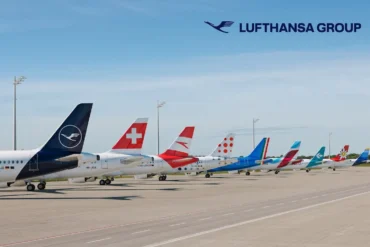
What makes this decision particularly impactful is its scope. The Lufthansa Group’s policy applies across all 12 of its airlines, including major international carriers such as SWISS, Austrian Airlines, Brussels Airlines, ITA Airways, and Eurowings, as well as regional operators like Lufthansa CityLine, Edelweiss Air, Discover Airlines, and Air Dolomiti. For travelers, this means the rule is consistent regardless of which Lufthansa Group airline they fly.
By enforcing a unified standard, the group eliminates confusion and ensures passengers receive the same safety expectations across its entire network, from intercontinental routes to short regional hops.
The Rising Global Trend Behind the Ban
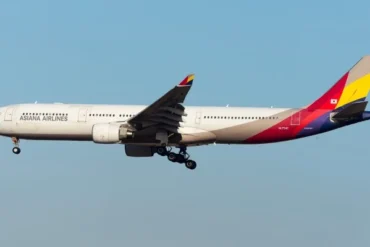
Lufthansa is far from alone. More than two dozen airlines worldwide have already banned the in-flight use of power banks, including Singapore Airlines, Emirates, Qantas, Virgin Australia, Korean Air, Asiana Airlines, and Thai Airways. The common denominator behind these decisions is data: a steady rise in lithium battery incidents that disrupt flights and, in rare cases, cause serious damage.
One recent incident on a T’way Airlines flight illustrated the unpredictability of these devices. A power bank stored in a carry-on bag began emitting smoke despite not being in use, forcing the crew to intervene swiftly. While no injuries occurred, several passengers and crew members were exposed to smoke, underscoring how quickly a minor device can become a major safety concern.
When Power Banks Ground an Entire Aircraft
The most sobering example occurred in January 2025, when a power bank experienced a thermal runaway onboard an Airbus A321 operated by Air Busan. The resulting fire spread rapidly, damaging the aircraft’s structure and forcing a full evacuation. Although injuries were minimal, the aircraft itself was written off entirely, a stark reminder that battery fires can carry multimillion-dollar consequences.
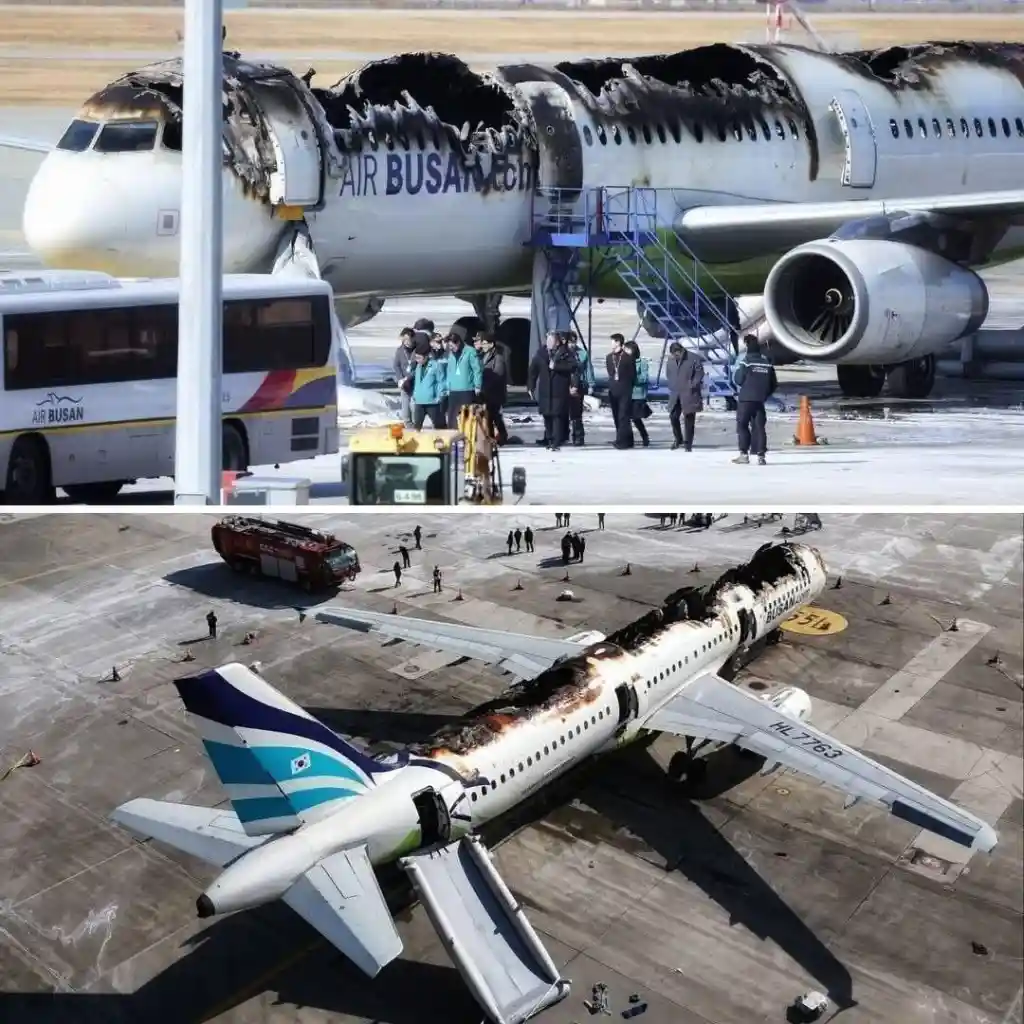
Following that incident, South Korea implemented a nationwide ban on in-flight power bank use across all its carriers. Lufthansa’s new policy mirrors this approach, demonstrating how one high-profile event can reshape safety standards across an entire region.
What This Means for Passengers Going Forward
For travelers, the adjustment will require planning rather than panic. Many modern aircraft already offer in-seat USB ports or AC power outlets, reducing reliance on personal batteries. Airlines without such amenities are increasingly retrofitting cabins to meet passenger expectations without compromising safety.
The broader implication is clear: power banks are no longer viewed as harmless accessories in aviation environments. As battery technology evolves and energy densities increase, airlines are choosing stricter controls to stay ahead of the risk curve.
Lufthansa’s decision signals where the industry is heading. As safety data continues to accumulate, more carriers are likely to follow suit, making in-flight power bank bans a standard feature of global air travel rather than an exception.