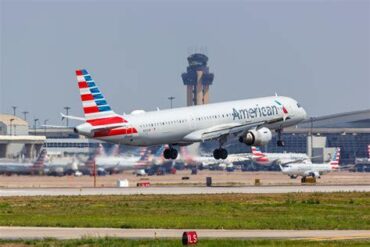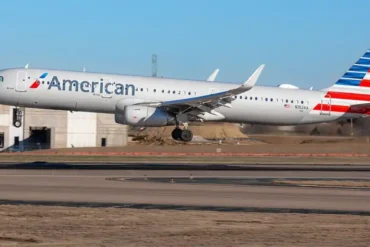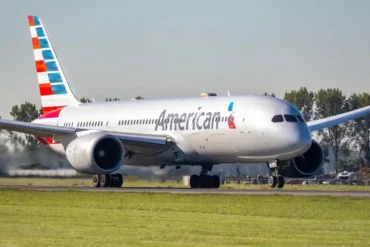
American Airlines is embarking on a bold transformation at Dallas Fort Worth International Airport (DFW), reaffirming its dominance at its largest and most strategic hub. This extensive overhaul reflects a deep investment in operational excellence, customer experience, and long-term growth through infrastructure modernization, schedule restructuring, and network expansion.
Revamping the Heart of the Network: A 13-Bank Schedule Strategy
American Airlines’ decision to transition from a 9-bank to a 13-bank daily flight structure at DFW marks a fundamental shift in how the carrier orchestrates connectivity. Each “bank” represents a cluster of arrivals and departures designed to facilitate swift passenger connections. By expanding the number of banks, American aims to enhance flexibility, reduce congestion, and increase flight predictability, especially during peak hours.
The move, set to take effect in April 2026, is intended to improve connection opportunities without compromising the airline’s hallmark ability to offer tight, efficient layovers. More banks mean that travelers can access a broader range of itineraries with improved timing, reduced bottlenecks, and better resilience to delays.
According to Jim Moses, Senior Vice President of Operations at DFW, “We’re making this significant shift while maintaining the same breadth, depth and schedule quality our customers expect and depend on.” The airline is also optimizing block times—the scheduled time between departure and arrival—which directly correlates with improved on-time performance, a crucial metric in passenger satisfaction and operational reliability.
Terminal Infrastructure: Foundations for the Future
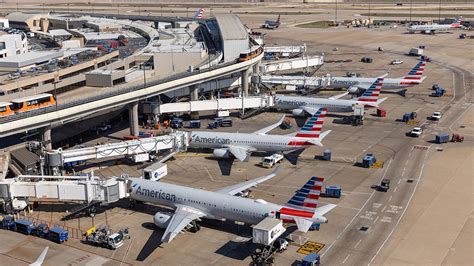
Beyond the airside schedule redesign, American is investing heavily in its groundside infrastructure, with terminal enhancements forming a vital pillar of the DFW overhaul. Shorter-term improvements are already in motion, with Terminals A and C receiving pier extensions that will add nine new contact gates, increasing throughput and capacity for both domestic and international flights.
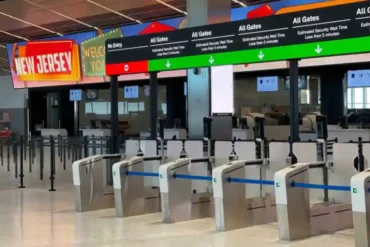
These improvements go hand-in-hand with enhanced security and immigration processing systems, driven by collaboration with the Transportation Security Administration (TSA) and U.S. Customs and Border Protection (CBP). Leveraging biometric identity verification and advanced digital systems, American envisions drastically reduced wait times at immigration for inbound international travelers, smoothing their transition to onward connections.
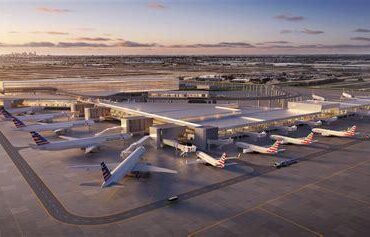
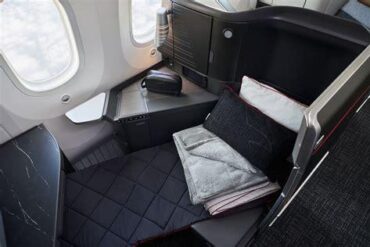
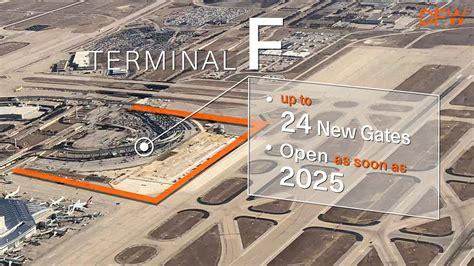
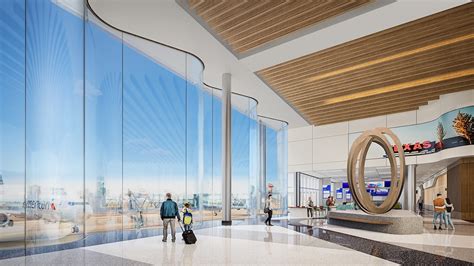
By 2030, the crown jewel of this infrastructure expansion—Terminal F—will be operational, featuring 31 new widebody-capable gates exclusively operated by American Airlines. Terminal F will elevate the premium travel experience with the addition of Flagship lounges, updated customs facilities, and enhanced passenger flow architecture designed to support a future-proof, high-capacity airport ecosystem.
Digital Acceleration Meets Physical Growth
As digital transformation becomes inseparable from airline operations, American is ensuring that DFW reflects a future-ready strategy. Upgrades across the terminals are not limited to bricks and mortar. The integration of smart kiosks, self-service baggage drops, and real-time passenger information systems will contribute to a faster, smoother, and more autonomous airport journey.
These investments are aligned with a broader airline-wide initiative to harness data analytics and predictive modeling in gate assignments, turnaround times, and passenger flows—ensuring that as American grows physically, its systems grow smarter.
Strategic Route Expansions: DFW as a Global Launchpad
The overhaul is not just about enhancing what’s already in place. It’s also about expanding the global reach of American Airlines, with DFW positioned as the springboard. In 2026, coinciding with the full rollout of the 13-bank model, the carrier will launch a number of new long-haul and regional routes made possible by its next-generation fleet and expanded terminal capacity.
Notably, DFW will debut nonstop transatlantic services to Athens and Zurich, strengthening the hub’s position as a key U.S. gateway to Europe. These additions complement other international expansions from American’s bases in Philadelphia, New York, Miami, and potentially Boston, where routes to Prague, Budapest, and Milan Malpensa are planned or under consideration.
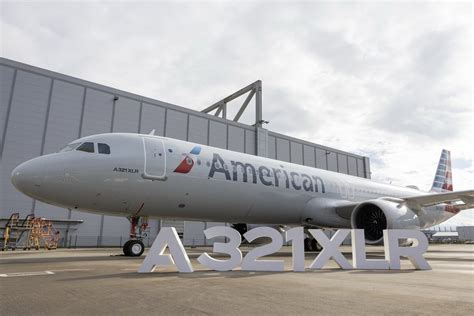
The newly acquired Airbus A321XLR aircraft unlock previously challenging routes thanks to its long-range efficiency, and is expected to be pivotal in new services to South American markets, particularly in Brazil. The narrowbody’s capabilities enable transcontinental and transoceanic operations with the cost efficiency of a single-aisle jet.
Simultaneously, American Eagle—the airline’s regional brand—will inaugurate 15 new regional routes connecting underserved markets to major international hubs like Charlotte, Miami, Chicago, and of course, DFW. This double-pronged strategy ensures that both ends of the network, global and regional, are robustly fortified.
A Long-Term Vision Anchored in DFW
Serving nearly 700,000 passengers daily at DFW, American Airlines handles one of the most dynamic transit environments in the country. More than 30% of travelers use DFW solely as a connection point, making seamless transfers and punctuality a central concern. The shift to 13 banks, combined with new technology, terminal extensions, and increased gate capacity, is directly aimed at turning DFW into the most efficient megahub in the United States.
With its 2030 horizon clearly in view, American Airlines is not merely making incremental improvements but executing a sweeping transformation of its home turf. From architectural reconfiguration to digital enhancement and flight network optimization, the DFW Overhaul reflects a systemic evolution designed to maintain—and expand—the airline’s preeminence in both domestic and international markets.
The effort underscores a simple yet powerful message: American Airlines is doubling down on DFW as the beating heart of its global ambitions. The synergy of schedule design, infrastructure investment, and fleet modernization is being engineered to deliver not only efficiency but also enduring competitive advantage.
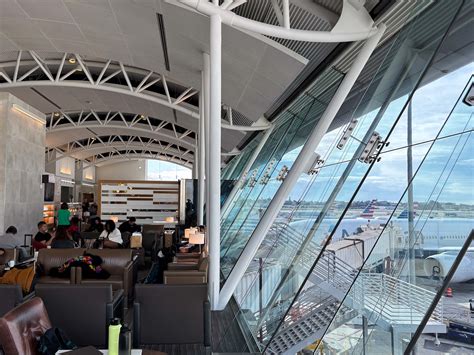
As the aviation landscape continues to evolve post-pandemic, American Airlines’ DFW overhaul is a case study in forward-thinking hub strategy, one that promises to redefine the air travel experience for millions in the coming decade.