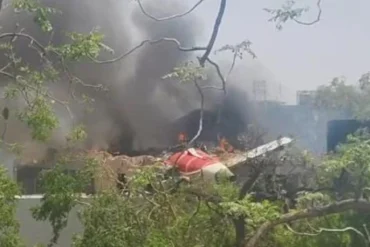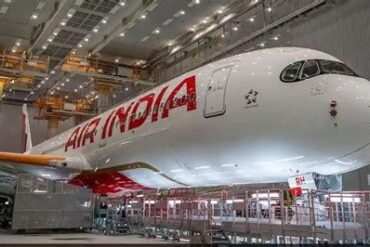
In a sweeping response to the AI171 crash on June 12, 2025, which claimed 275 lives and marked India’s worst aviation tragedy in decades, Air India has executed a massive operational overhaul. The airline has cut over 260 weekly flights, spanning both domestic and international routes. This unprecedented move comes as part of a broader initiative to reinforce passenger safety, stabilize fleet performance, and adhere to an intensified inspection regime mandated by the Directorate General of Civil Aviation (DGCA).
DGCA Mandate Sparks Sweeping Flight Reductions
Air India’s decision to downsize its weekly schedule follows a dual-stage review, initiated in the immediate aftermath of the AI171 disaster. The 15% cut to international widebody operations was announced first, followed closely by a 5% reduction in domestic narrowbody flights. These two phases combined result in a loss exceeding 260 weekly flights — the largest such cutback in the airline’s modern history.
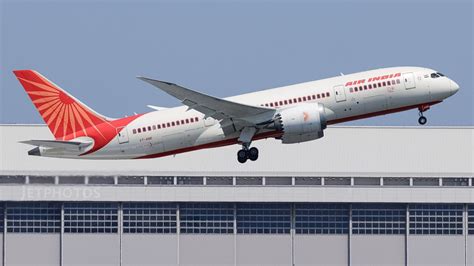
The DGCA’s post-crash directive has compelled Air India to perform an intensive safety audit, covering every aspect of its flight operations. The crash of flight AI171 not only raised questions about aircraft maintenance but also prompted a sector-wide reassessment of operational standards. The aviation watchdog’s mandate specifically calls for thorough inspections of the Boeing 787 fleet, leading to temporary suspensions on several long-haul routes.
Key Route Suspensions and Frequency Cuts
The sharpest impacts of these changes are being felt across high-density routes and key international corridors. Among the suspended services are:
- Bengaluru–Singapore (International)
- Pune–Singapore (International)
- Mumbai–Bagdogra (Domestic)
All three were daily services, now halted until at least July 15, 2025. These decisions were not made lightly; each cutback reflects a strategic effort to allocate aircraft for enhanced technical checks and pre-flight inspections.
Beyond outright suspensions, frequency reductions are affecting 19 additional sectors. Some of the notable domestic routes impacted include:
- Delhi–Mumbai: reduced from 176 to 165 weekly flights
- Delhi–Hyderabad: trimmed from 84 to 76
- Delhi–Bengaluru, Mumbai–Kolkata, and Mumbai–Varanasi have also seen noticeable cuts
- Destinations like Goa, Lucknow, Ahmedabad, Kochi, and Coimbatore have been affected
Despite these sweeping changes, Air India continues to operate close to 600 daily narrowbody flights, sustaining connectivity across 120 domestic and regional international destinations.
Inspections, Safety First, and Fleet Readiness
The cornerstone of this strategic withdrawal lies in the intensive aircraft inspections underway. Following the AI171 catastrophe, Air India’s Boeing 787s are undergoing stringent checks, including:
- Airframe integrity assessments
- Engine performance diagnostics
- Flight control system verifications
- Software updates and pre-flight test cycles
These measures, while temporarily disruptive, are non-negotiable. The goal is crystal clear: restore public confidence in the safety and reliability of India’s flagship carrier. This renewed focus on technical integrity echoes globally recognized best practices, often employed by airlines in the wake of serious incidents.
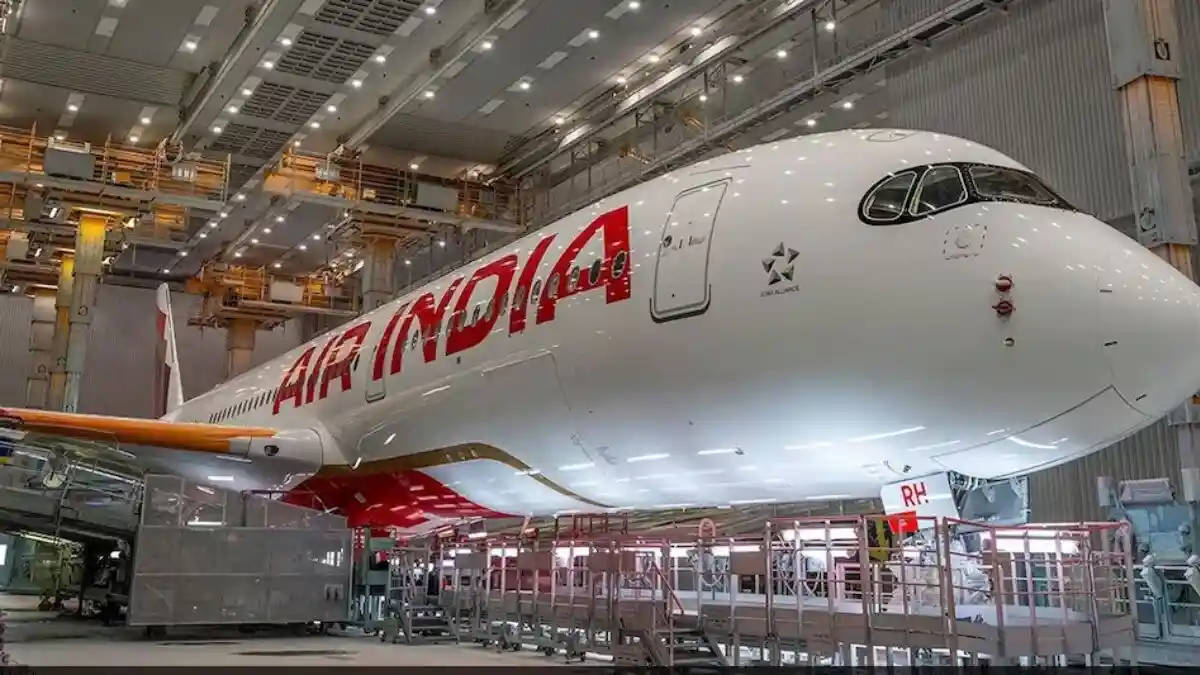
Geopolitical Tensions Add to Flight Route Complexity
Compounding Air India’s domestic crisis is a volatile geopolitical backdrop. With rising tensions in the Middle East, several routes have been rerouted to avoid Iranian, Iraqi, and Israeli airspace. This impacts flights to and from:
- United Arab Emirates (UAE)
- Qatar
- Kuwait
- Oman
These detours mean longer flying times, higher fuel burn, and additional crew hour management, which further stress the carrier’s resources. North American and European long-haul routes are expected to experience indirect disruptions as a ripple effect of these airspace constraints.
Passenger Support and Communication
In the face of canceled flights and modified schedules, Air India has ramped up customer support channels. Affected travelers have been contacted directly and offered a range of alternatives, including:
- Full refunds
- No-fee rebooking
- Flight rescheduling
Customer service teams have been mobilized across call centers and airport desks, ensuring that passenger grievances are addressed promptly. The airline has promised that any delays or cancellations due to inspection requirements will be accompanied by transparent communication and flexible options.

Focused Cuts in High-Demand Corridors
While the overall scale of reductions is vast, some decisions are clearly tactical. Delhi–Mumbai, India’s busiest air corridor, has been cut by 11 weekly flights. Routes like Mumbai–Hyderabad and Delhi–Bengaluru, vital for business travelers, have also seen capacity reductions.
By temporarily easing traffic on these routes, Air India can redeploy maintenance-ready aircraft to priority sectors or substitute grounded widebodies with available narrowbodies. This fleet rotation ensures minimal disruption where alternative travel options exist, while grounding only those aircraft pending clearance.
Operational Stability Over Short-Term Profitability
Air India’s leadership has made one thing abundantly clear: passenger safety overrides commercial imperatives. The reductions, though painful in the short term, are designed to enable long-term operational resilience. The airline reiterated that full restoration of its network will depend on:
- Completion of mandated DGCA inspections
- Geopolitical stability in critical air corridors
- Passenger demand and seasonal factors
According to insiders, Air India is using this crisis as a reset opportunity — to refine its scheduling efficiency, improve fleet readiness, and modernize technical oversight. This cautious yet aggressive pivot away from capacity maximization hints at a strategic cultural shift within the airline’s management philosophy.
Rebuilding Reputation in Indian Aviation
The AI171 crash was more than a technical failure; it was a national trauma. Air India, once a symbol of India’s aviation prestige, now carries the burden of repairing its fractured reputation. These flight reductions are not just logistical necessities — they are a statement of accountability and reform.
The coming weeks will be critical. With the July 15 horizon set as the earliest review date for suspended services, Air India must balance a tightrope walk between technical compliance, public relations, and customer satisfaction.
Passenger sentiment is being closely monitored, and early signals suggest cautious optimism. Frequent flyers interviewed at major airports like Delhi IGI and Mumbai T2 noted frustration over canceled itineraries, but many acknowledged the necessity of safety first.
Looking Ahead: A Safer, More Reliable Future
The weeks following the AI171 tragedy will go down in Indian aviation history as a transformative chapter. The 260+ weekly flight reductions, though painful, represent a proactive investment in safety and integrity. Air India’s ability to emerge stronger from this period will rest on how well it can execute inspections, communicate transparently with customers, and restore confidence in its brand.
As the airline works through its revised schedule and inspection backlog, one message rings clear: Air India is prioritizing people over profit, safety over schedule. This renewed focus, if sustained and expanded, could turn a tragic moment into a turning point — not only for the airline but for the broader Indian aviation ecosystem.