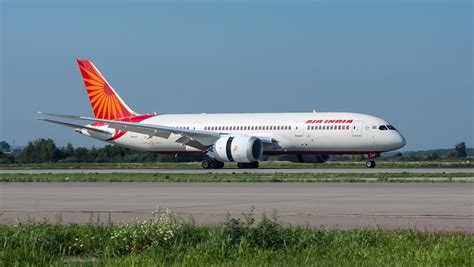
More than a week after the catastrophic crash of Air India Flight AI171, global aviation authorities are now turning to the United States National Transportation Safety Board (NTSB) for help in extracting critical data from the aircraft’s black boxes. The decision follows the discovery that the flight data recorders sustained extensive fire damage, making local data retrieval impossible.
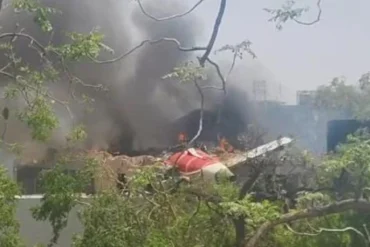
The ill-fated flight, operated by a Boeing 787-8 Dreamliner, was en route to London Heathrow from Ahmedabad International Airport on June 12, 2025, when it crashed into a densely populated residential area just over a kilometer from the runway. The impact and subsequent blaze claimed the lives of 241 of the 242 individuals on board, marking the first-ever hull loss of the Dreamliner aircraft since its introduction in 2011.
Vital Clues Lie Trapped in Charred Devices
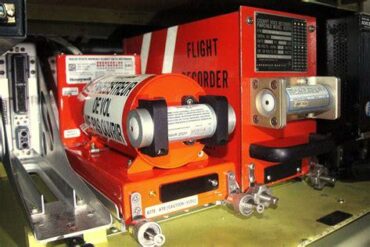
Commercial aircraft like the Boeing 787 carry two critical flight recorders—one storing technical flight data and the other capturing cockpit voice recordings. Both recorders were recovered from the charred wreckage, but investigators have confirmed that the flight data recorder (FDR) is so badly damaged that standard tools available at India’s Aircraft Accident Investigation Bureau (AAIB) cannot decrypt its content.
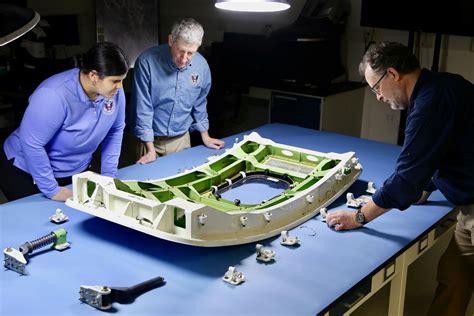
Consequently, the recorders will be sent to the NTSB’s Washington-based laboratory, a world-renowned facility specializing in crash forensics. A report by The Economic Times highlights that the decision was made in consultation with multiple agencies, including the UK’s Air Accidents Investigation Branch (AAIB-UK), given that 53 British nationals perished in the tragedy.
India’s New Black Box Lab Faces Trial by Fire
Ironically, India had just inaugurated its own advanced black box decoding facility in April 2025, located at AAIB’s headquarters in New Delhi. Built at a cost of ₹9 crore (roughly $1.1 million USD), with technical support from Hindustan Aeronautics Limited, the lab was designed to improve India’s autonomy in aviation investigations. It was touted as a significant step forward in reducing dependency on foreign expertise.
But in the face of severe data degradation, the facility’s capabilities have been outpaced by the technical challenges posed by the fire-damaged components. Officials say sending the black boxes abroad was not an indictment of the lab’s design, but rather an emergency decision made in the interest of investigative integrity.

Boeing 787 Under Global Scrutiny
The crash of AI171 has sent shockwaves through the international aviation community—not just for the loss of life, but because it involved the previously accident-free Boeing 787 Dreamliner. India’s Directorate General of Civil Aviation (DGCA) launched an immediate inspection campaign targeting all Dreamliners in Air India’s fleet. With 34 Boeing 787s (including 27 -8s and 7 -9s), the airline plays a critical role in long-haul operations within the Star Alliance network.
The DGCA’s inspections found no systemic faults or significant safety lapses in the remaining aircraft, stating that both aircraft systems and maintenance practices complied with regulatory standards. However, to mitigate public concern, inspections were mirrored abroad, notably in Japan, where the Ministry of Land, Infrastructure, Transport and Tourism (MLIT) ordered similar reviews across ANA, Japan Airlines, AirJapan, and ZipAir.
Flight AI171’s Final Moments
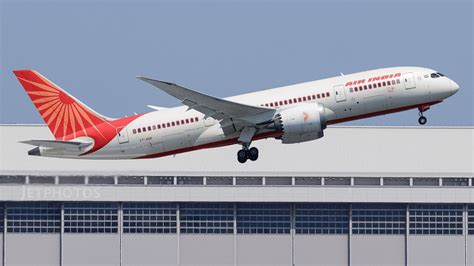
According to sources close to the preliminary investigation, the flight failed to gain proper lift during takeoff from Runway 23 at Ahmedabad International Airport. The aircraft never exceeded 150 feet in altitude before crashing into the outer wing of the Ahmedabad Civil Hospital complex. Investigators are narrowing their focus on three elements:
- Engine thrust configuration at takeoff
- Flap settings that influence lift and drag
- Failure to retract landing gear, which could have impacted climb rate
The cockpit voice recorder (CVR) is expected to be pivotal in determining the flight crew’s situational awareness and decision-making in those critical first 30 seconds after liftoff.
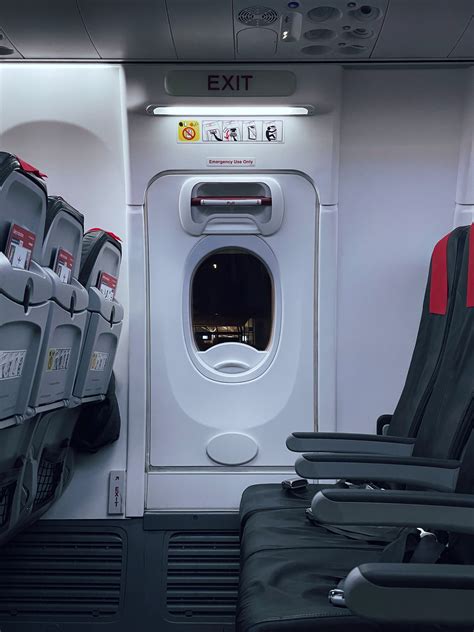
Of the 242 people aboard, only one survived—a 28-year-old male seated in Seat 11A, adjacent to the left-side emergency exit. Emergency response teams found him conscious, albeit injured, among the debris. His account, though heavily redacted by authorities, may offer rare insight into the cabin’s state prior to the crash.
Collateral Damage on the Ground
The aircraft’s low-impact crash into the hospital complex tragically caused an additional 33 fatalities on the ground, including patients, medical staff, and local residents. Fire services struggled to control the blaze for nearly four hours, complicated by residual fuel and narrow access roads leading into the densely populated block. The Gujarat state government has initiated a compensation fund, but some families are already pursuing legal recourse.
In response to the tragedy, Union Civil Aviation Minister Ram Mohan Naidu pledged enhanced funding for regional airport infrastructure and runway extension programs, citing the unique terrain limitations of airports like Ahmedabad.
International Fallout and Operational Shakeups
Air India, facing mounting criticism even before the crash, is now under the scanner for systemic shortcomings in passenger experience and fleet upkeep. In response to a directive from the Indian aviation regulator, the airline has temporarily reduced its international schedules, particularly routes to the UK, Middle East, and North America.
Furthermore, the carrier’s CEO, Campbell Wilson, held a press conference acknowledging that Air India had been “unprepared for the operational load and had not scaled its maintenance capabilities adequately.” Several mid-level executives in operations and engineering have since been suspended pending an internal review.
Looking Ahead: Long Road to Closure
As the world waits for the NTSB’s analysis, aviation safety experts caution that conclusive answers may take months, or even longer, depending on the condition of the data. Nevertheless, the recovered black boxes—though blackened by fire—may still hold the clues necessary to piece together the final moments of AI171.
For India’s aviation sector, the crash has become a watershed moment, one that tests not only the technical resilience of its fleet but also the institutional maturity of its investigative frameworks. With lives lost and global scrutiny bearing down, every move—from international lab partnerships to policy reform—will be watched and measured.
As investigations continue, the name AI171 becomes not just a flight number, but a harrowing case study on the cost of delay, design lapses, and decision-making under pressure—a tragic reminder of what can go wrong when aviation safety is tested to its limits.