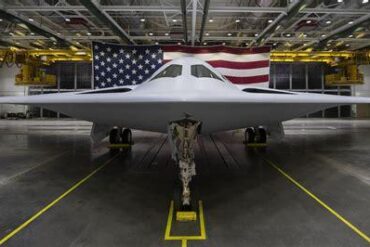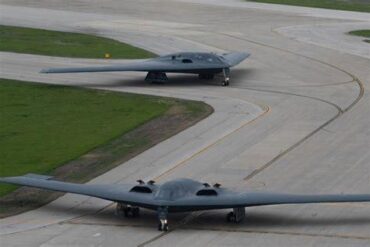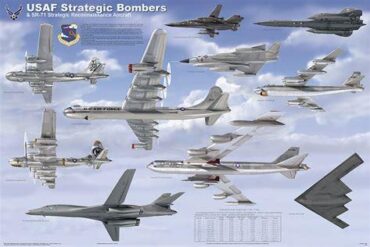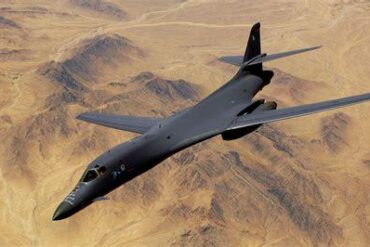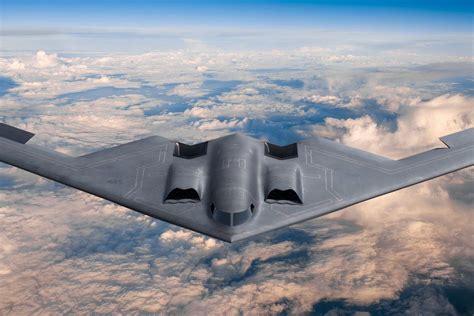
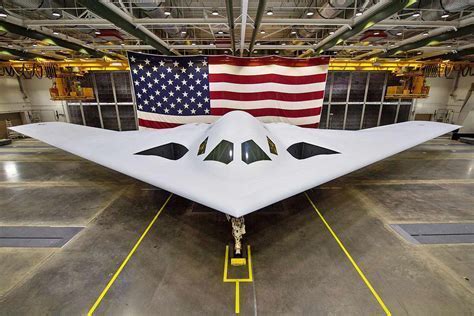
The Northrop Grumman B-2 Spirit is one of the most advanced, expensive, and elusive aircraft ever constructed, representing the apex of American stealth bomber capability. With its flying wing design and virtually radar-invisible profile, the B-2 remains an icon of strategic air power. As of mid-2025, the United States Air Force operates just 19 B-2 bombers, a surprisingly low number given the scale of America’s global defense commitments. But behind this limited fleet lies a web of historical, geopolitical, technical, and financial factors that shaped the B-2’s evolution.
The Stealth Icon: Origins of the B-2 Spirit
The B-2 was born during the late stages of the Cold War, conceived under deep secrecy in the 1970s as part of the U.S. Air Force’s push for next-generation bombers that could penetrate the most heavily defended Soviet airspace. Northrop Grumman took the lead in developing a design that would minimize radar cross-section while delivering intercontinental strike capabilities.
Development costs ballooned quickly due to the cutting-edge materials, fly-by-wire systems, and revolutionary stealth coatings required. When the B-2 was unveiled at Air Force Plant 42 in Palmdale, California, in November 1988, its unusual silhouette shocked observers and sent a clear message of American technological supremacy.
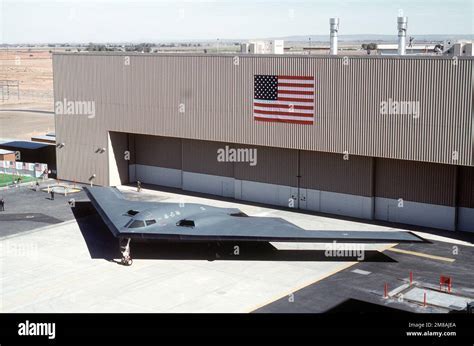
Although the first flight took place in July 1989, the program’s fate was already facing turbulence. By the time the first operational unit, the “Spirit of Missouri,” was delivered to the Air Force in December 1993, the Cold War had ended, and the geopolitical justification for a large stealth fleet had shifted dramatically.
Fleet Cut Short: From 132 Bombers to Just 20
Initially, the U.S. Air Force had requested 132 B-2 bombers, intended to replace the aging B-52 fleet and serve as the core of long-range strike capabilities well into the 21st century. But the collapse of the Soviet Union in 1991 altered the strategic calculus.
With the Cold War threat receding, the George H. W. Bush administration significantly slashed defense spending. As a result, Congress approved funding for just 20 B-2s plus one additional test aircraft. The consequences were severe: unit costs skyrocketed to $2.13 billion per bomber, making the B-2 the most expensive aircraft ever produced.
Technical Marvel, Operational Challenge
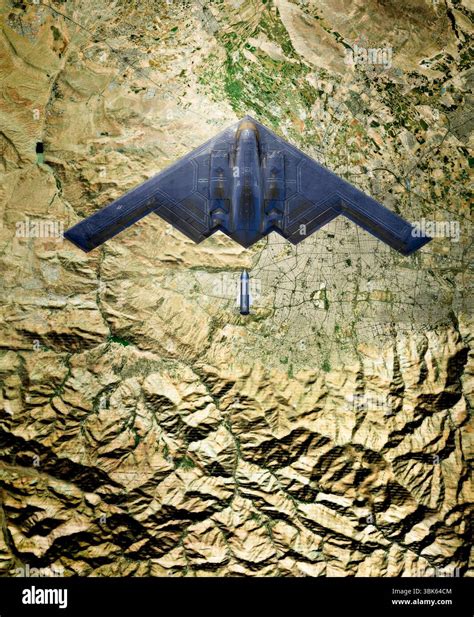
The B-2 is more than a bomber — it’s a technological marvel. Capable of flying over 6,000 nautical miles unrefueled and carrying 20 tons of ordnance, including nuclear weapons and precision-guided munitions, the Spirit’s capabilities are formidable.
The recent June 22, 2025, strike on Iranian nuclear infrastructure highlighted these capabilities once again. In this high-profile mission, seven B-2s delivered fourteen GBU-57 Massive Ordnance Penetrators (MOPs) — each weighing 30,000 pounds. The fact that seven out of nineteen active B-2s were deployed speaks volumes about the importance and reliability the Air Force places on this platform.
But the B-2 is also notoriously complex to maintain. Its radar-absorbent coating requires delicate handling, and many of its components are unique, requiring specialized tooling and environments. It takes hundreds of hours of maintenance per flight hour, making routine operations costly and time-consuming.
Where Are They Based? Whiteman AFB — The Nerve Center
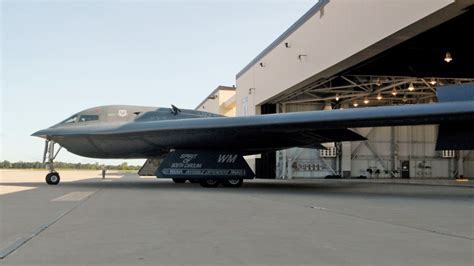
All operational B-2 Spirits are currently stationed at Whiteman Air Force Base in Missouri. This exclusive deployment hub allows for centralized logistics, maintenance, and training. While forward deployments to areas like Andersen AFB in Guam are periodically conducted, home base operations remain rooted in Missouri.
Whiteman’s facilities are custom-designed to meet the B-2’s high-maintenance demands. Hangars are climate-controlled to preserve stealth materials, and every aspect of ground support infrastructure is tailored to this unique bomber. The consolidation of the fleet also simplifies security protocols, given the nuclear capability of the B-2.
Crashes, Retirements, and Fleet Reductions
Despite their technological superiority, B-2s are not immune to accidents. In 2008, the Spirit of Kansas (89-0127) crashed shortly after takeoff from Andersen AFB, Guam, following heavy rainfall that likely affected onboard sensors. The aircraft pitched violently upon lift-off, and although the pilots ejected safely, the B-2 was lost — the first and only B-2 to be completely destroyed in an accident.
Another incident occurred in 2010, also at Andersen, damaging a B-2 to the point that it required over $100 million and four years to return to flight.
Most recently, in December 2022, a B-2 at Whiteman AFB experienced an in-flight malfunction during a routine operation and caught fire upon landing. In May 2024, the U.S. Air Force chose to retire the damaged aircraft, permanently reducing the active fleet to 19 operational B-2s.
Is 19 Enough? Strategic Role vs. Operational Risk
While 19 may appear too few to sustain a global strategic footprint, the B-2’s potency lies in its stealth, survivability, and precision. Each bomber can conduct missions across continents, undetected by radar, and deliver payloads with pinpoint accuracy. This makes even a small fleet a powerful deterrent.
Yet, the small fleet size poses significant risks. With long maintenance cycles and aging airframes, readiness rates fluctuate. Any additional retirements or damage could significantly impact mission capability. The B-2s are also heavily reliant on infrastructure and personnel with niche expertise, limiting the scalability of operations.
The B-21 Raider: Successor on the Horizon
Recognizing the limitations of the B-2 fleet, the U.S. Air Force has already turned to the B-21 Raider, Northrop Grumman’s next-generation stealth bomber currently under development. The B-21 promises similar capabilities in a more affordable and maintainable airframe.
It’s expected that the B-21 will gradually supplement and eventually replace the B-2 fleet over the next two decades. However, until that transition is complete, the B-2 will remain a pillar of America’s long-range strike capability, particularly in scenarios involving denied airspace or nuclear deterrence missions.
Conclusion: A Small but Deadly Legacy
The B-2 Spirit remains an enduring symbol of American aerospace innovation and strategic power projection. With only 19 units in active service, the aircraft’s exclusivity is both its strength and its Achilles heel. Each B-2 is a $2.13 billion asset, offering unmatched stealth and payload delivery — but demanding extraordinary care and logistical support.
From the frozen runways of Missouri to clandestine airstrips near global hotspots, the B-2 continues to fly silently in the background of international diplomacy and warfare. Its mission profile, historical significance, and operational record ensure it will retain its mythical status until the last of its wings is retired — a day still years away.
While the world awaits the B-21 Raider, the B-2 Spirit will continue to serve as a silent guardian, hiding in plain sight, ready to unleash its formidable payload when diplomacy fails and precision warfare takes flight.