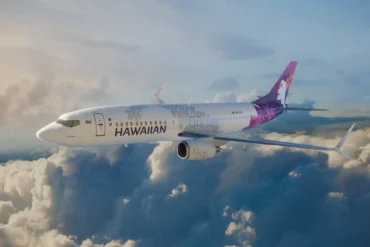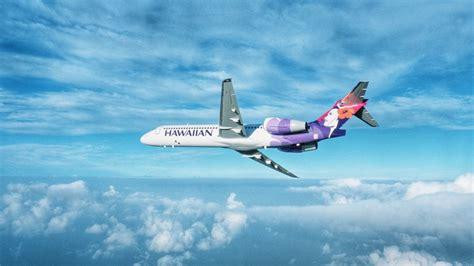
For more than two decades, the Boeing 717 has been the stalwart of Hawaiian Airlines’ interisland fleet, a constant in a sea of change across the aviation world. Despite the aircraft’s age and the shifting industry landscape, Hawaiian continues to operate a fleet of 19 Boeing 717-200s as of January 2025. This decision, at first glance, might seem baffling. Why does a modern airline continue to rely on jets launched in the 1990s? The answer lies in a complex blend of technical reliability, fleet efficiency, and the unique demands of Hawaii’s island-hopping network.
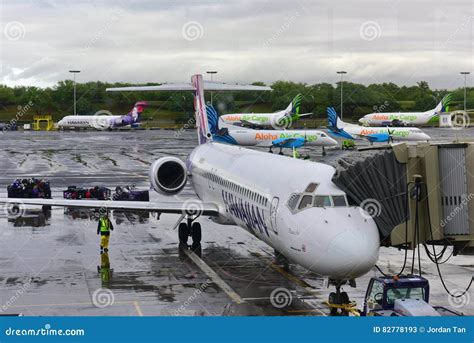
The Interisland Workhorse That Keeps Delivering
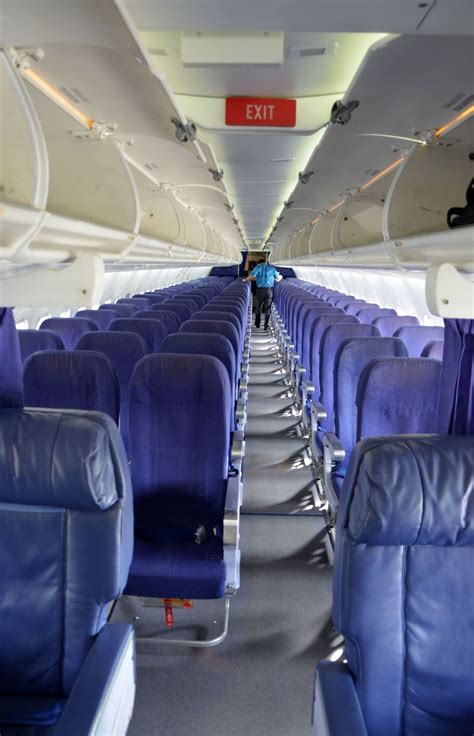
The Hawaiian Islands present a rare operational environment. Flights between islands are short, frequent, and intensive, often demanding up to 16 round trips per day per aircraft. In such a niche market, few aircraft are up to the task as well as the Boeing 717. With a capacity of 128 passengers, it slots perfectly between regional turboprops and larger narrowbody jets. It’s small enough to be economical on low-demand sectors, yet robust enough to handle the brutal tempo of the interisland schedule.
The 717 was built on the design heritage of the McDonnell Douglas DC-9 family, later inherited by Boeing. It’s a derivative of the MD-95, featuring rear-mounted Rolls-Royce BR715 engines, and a design optimized for quick turnarounds and short-haul reliability. Boeing’s early marketing for the 717 proudly touted its 99.1% on-time departure goal — a figure many operators, including Hawaiian, regularly surpassed.
Durability in a Harsh Climate
Aircraft operating in hot and humid climates, such as Hawaii, are prone to accelerated wear and corrosion. Yet the 717 has stood the test of time. Its low maintenance needs, proven durability, and mechanical simplicity make it a strong match for the region’s operational requirements. While the average airliner might begin showing signs of fatigue after two decades, Hawaiian’s 717s have been consistently maintained and continue to meet FAA airworthiness standards — even in the face of recent directives.
In October 2024, the FAA issued an Airworthiness Directive (AD) that highlighted wing cracks on some 717s — including one as long as 7 inches — but Hawaiian’s maintenance program was already rigorous, allowing them to respond swiftly. The directive, though serious, did not ground the fleet and was instead seen as a call to enhance inspection protocols, not retire the aircraft.
Alaska Merger: More Questions Than Answers
The merger between Alaska Airlines and Hawaiian Airlines, finalized in late 2024, brought speculation about the future of the 717. Alaska, known for operating a primarily Boeing 737 fleet, has historically distanced itself from both Airbus and older aircraft models. Industry watchers wondered if the 717’s days were numbered.
Yet, Ben Minicucci, CEO of Alaska Airlines, offered a surprisingly neutral tone. On the aviation podcast “The Air Show,” he stated that the 717 “still has legs on it” and might remain “longer than we think.” This signaled that the aircraft’s phase-out won’t be rushed. Instead, Alaska plans to evaluate its options carefully, particularly because replacing a fleet so tightly woven into Hawaii’s interisland fabric won’t be simple.

Alternatives to the Boeing 717: Few and Far Between
Despite its reliability, the Boeing 717 isn’t getting any younger. Hawaiian must consider long-term replacements, but the options aren’t straightforward:
- Airbus A220: With excellent fuel efficiency and passenger comfort, the A220-100 or A220-300 could be a natural replacement. It offers a similar seating capacity and range. But Alaska has a track record of selling off Airbus jets, including the A321neos inherited from Virgin America.
- Boeing 737 MAX 7: It aligns with Alaska’s all-Boeing strategy and could be part of a broader fleet simplification. Yet the MAX series remains controversial, and its frequency suitability for interisland routes is still unproven.
- Embraer E195-E2: Perhaps the most viable candidate, the E195-E2 can seat up to 146 passengers, is optimized for short-haul operations, and is already operated in its smaller E175 variant by Horizon Air, Alaska’s regional subsidiary. The E2’s 2-2 seating, high fuel efficiency, and lower operating costs make it ideal for the Pacific region.
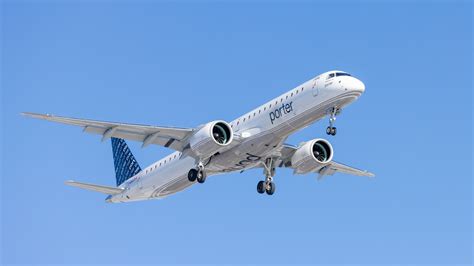
Yet, the key challenge is scale. Hawaiian would need a fleet replacement program that includes infrastructure, pilot training, parts inventory, and maintenance retraining — all major investments not likely to occur overnight.
Why Airlines Like Delta Still Love the 717
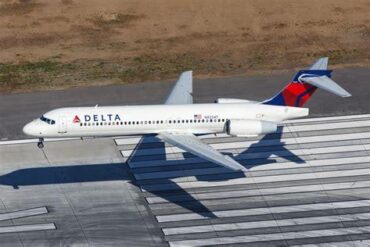
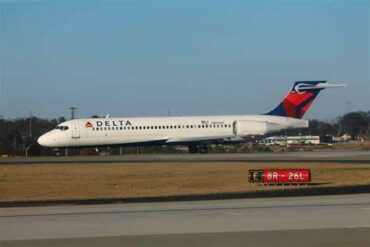
The Boeing 717 isn’t just surviving in Hawaii. Delta Air Lines is the only other major commercial operator still flying the jet. With 80 aircraft in service, Delta continues to deploy the 717 on short-haul domestic flights, mostly replacing aging 50-seat regional jets. The airline’s logic echoes Hawaiian’s: the 717 is durable, economical, and dependable.
According to data analytics firm Visual Approach Analytics, Delta’s adoption of the 717 allowed them to retire 2.2 smaller jets per 717, dramatically improving per-seat economics. Even in 2025, Delta has over 12,000 scheduled 717 flights — a remarkable testament to the aircraft’s value.
Lessons from QantasLink’s Retirement of the 717
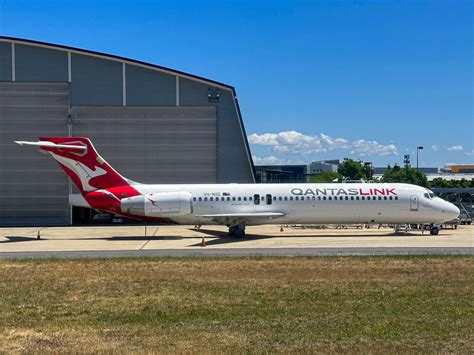
While Delta and Hawaiian maintain faith in the 717, others have moved on. In October 2023, QantasLink operated its final 717 flight after 23 years of service, replacing the fleet with 29 Airbus A220-300s. For Qantas, the shift represented a leap toward fleet modernization and emissions reduction, a key tenet of its Jet Zero program.
Rachel Yangoyan, QantasLink CEO, marked the milestone as both an end and a beginning. The A220 offers newer systems, quieter cabins, and lower emissions, all of which will be relevant in Hawaii as global pressure to decarbonize aviation increases.
Legacy, Loyalty, and Logic
What keeps the 717 in Hawaiian skies isn’t nostalgia or stubbornness. It’s a logical decision, born from decades of operational familiarity, cost-efficient performance, and fleet-wide integration. Hawaiian’s maintenance teams know the jet inside out. Pilots are trained, parts are stocked, and the aircraft continues to fly on time and without major incident.
Yes, replacements are coming. But they will arrive only when a seamless transition is possible. In an industry where profit margins are razor-thin and operational errors are costly, Hawaiian’s caution is well justified.
Until then, the Boeing 717 remains a vital, irreplaceable cog in Hawaii’s aviation system. As long as it continues to meet safety standards, turn flights quickly, and deliver solid economics, this unlikely workhorse will keep earning its wings above the Pacific.