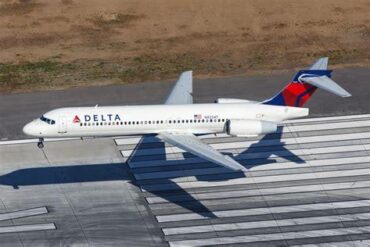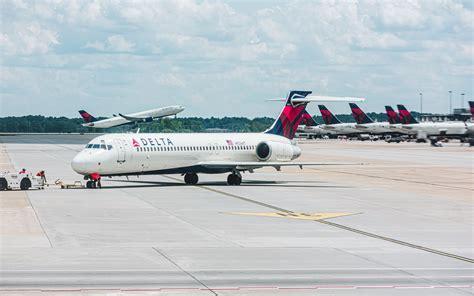
Delta Air Lines is preparing for a temporary but highly noticeable disruption to onboard connectivity, as its aging fleet of Boeing 717 aircraft is expected to operate without functional WiFi for several months. The move comes as part of a broader technological overhaul that will replace outdated air-to-ground systems with a next-generation satellite-based solution, marking a pivotal shift in the airline’s inflight digital strategy.
Why Delta’s Boeing 717 WiFi Is Going Dark
The decision to suspend WiFi service across the Boeing 717 fleet stems from the planned retirement of the existing Intelsat-powered air-to-ground system. This legacy infrastructure, once a standard across domestic fleets, no longer meets the expectations of modern passengers who demand seamless, high-speed connectivity in the air.
According to internal communications circulated among flight crews, the system is expected to be deactivated around May, just ahead of the peak summer travel season. This timing creates a significant gap between the shutdown of the old system and the large-scale installation of its replacement, leaving most of Delta’s 717 aircraft without onboard internet for much of the year.
With only a single aircraft currently equipped with the new system, the retrofit process will take time to scale. Installation efforts are expected to accelerate later in the year, particularly during the fall and winter months when operational demand typically softens.
A Fleet Defined by Age and Utility
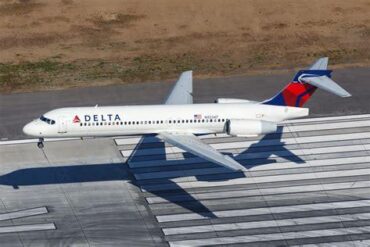
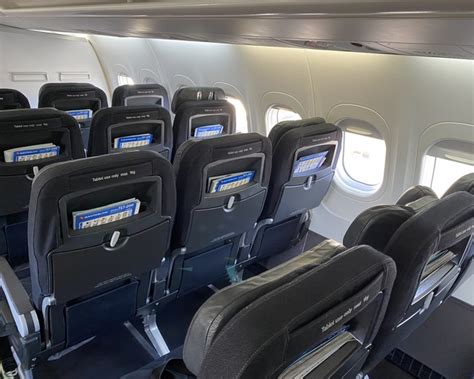
Delta operates approximately 80 Boeing 717-200 aircraft, each configured to carry 110 passengers across First Class, Comfort+, and Main Cabin seating. With an average age exceeding 24 years, these jets rank among the oldest in Delta’s mainline fleet.
Despite their age, the Boeing 717 remains a critical asset in Delta’s network. The aircraft is primarily deployed on short-haul domestic routes, where its efficiency and reliability continue to deliver value. Originally acquired from AirTran Airways via Southwest Airlines, the 717 has proven to be a durable workhorse, even as newer aircraft types enter the fleet.
Delta had previously signaled intentions to retire the 717 earlier in the decade, but shifting market dynamics and fleet economics have extended its lifespan. Fully owned and largely depreciated, these aircraft offer cost advantages that newer, more capital-intensive models cannot easily match.
The Technology Gap: From Intelsat to Hughes Fusion
The outgoing WiFi system, developed by Intelsat, relies on ground-based cellular towers to provide connectivity. While sufficient in its early years, this approach suffers from limited bandwidth, inconsistent coverage, and frequent dropouts—especially in remote or congested airspace.
In contrast, the incoming Hughes Fusion system represents a significant leap forward. By leveraging a hybrid network that combines geostationary (GEO) and low-Earth orbit (LEO) satellites, the system promises dramatically improved speed, reliability, and coverage.
Passengers can expect a connectivity experience closer to what they enjoy at home, with support for bandwidth-intensive activities such as video streaming, cloud-based work, and even online gaming. Just as importantly, the system enables gate-to-gate connectivity, eliminating the traditional restriction that WiFi only becomes available above 10,000 feet.
Passenger Experience Takes a Temporary Hit
For travelers, the absence of WiFi on Boeing 717 flights will be immediately noticeable—particularly as Delta has positioned itself as a leader in onboard connectivity, even rolling out free WiFi across much of its fleet.
The contrast between connected and disconnected aircraft within the same airline could create friction in customer expectations. Business travelers, in particular, may find the lack of connectivity disruptive, especially on routes where the 717 is commonly deployed.
However, Delta appears to be making a calculated trade-off: short-term inconvenience in exchange for long-term technological parity across its fleet. Once the Hughes Fusion system is fully deployed, the 717s will no longer lag behind newer aircraft in terms of digital capability.
Strategic Timing and Operational Challenges
Executing a fleet-wide retrofit of this scale presents significant logistical challenges. Each installation requires aircraft downtime, coordination with maintenance schedules, and integration with existing onboard systems. Attempting to accelerate this process during the busy summer season would risk operational disruptions far more severe than temporary WiFi loss.
By deferring the bulk of installation work to the latter part of the year, Delta minimizes impact on its peak schedule while ensuring a smoother transition overall. This phased approach reflects a broader industry trend, where airlines prioritize operational stability over incremental service enhancements during high-demand periods.
A Glimpse Into Delta’s Long-Term Connectivity Vision
The Boeing 717 WiFi transition is not an isolated initiative but part of a larger strategy to modernize Delta’s onboard experience. The airline has already equipped a significant portion of its fleet with advanced connectivity solutions and continues to invest in passenger-facing technology.
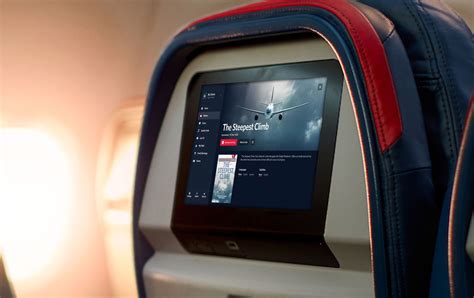
This includes not only faster internet but also integrated seatback entertainment systems and personalized digital services. The goal is clear: to transform the aircraft cabin into a fully connected environment where passengers can work, stream, and communicate without compromise.
Balancing Legacy Aircraft with Modern Expectations
Delta’s decision to upgrade the Boeing 717 rather than retire it outright underscores a nuanced approach to fleet management. While newer aircraft like the Airbus A220 offer superior fuel efficiency and passenger comfort, the economics of operating fully paid-off jets remain compelling.
By investing in connectivity upgrades, Delta effectively extends the relevance of its older aircraft, aligning them with contemporary passenger expectations without incurring the massive capital costs of fleet replacement.
This strategy highlights a broader reality in commercial aviation: modernization is not solely about acquiring new aircraft, but about intelligently upgrading existing assets to remain competitive in an increasingly digital landscape.
As the retrofit program progresses, the temporary WiFi blackout on Delta’s Boeing 717s will likely be remembered as a transitional phase—one that ultimately paved the way for a more consistent and high-quality inflight experience across the airline’s fleet.