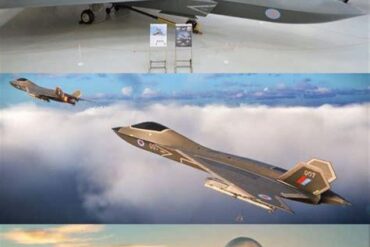
For decades, military aviation has been defined by speed, stealth, and technological prestige. Images of the F-35 Lightning II, China’s J-20, and the upcoming sixth-generation fighters dominate headlines and defense exhibitions around the world. Yet behind the glossy marketing campaigns and geopolitical theater, a different reality shapes the air forces of dozens of nations. Across Africa, Eastern Europe, South America, the Middle East, and parts of Asia, governments continue buying aircraft designed during the Cold War.
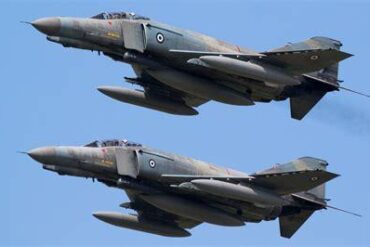
At first glance, the decision appears outdated. Why would a country invest in MiG-29s, Su-27s, F-16s, or even upgraded F-4 Phantoms when stealth aircraft supposedly represent the future of warfare? The answer lies in economics, infrastructure, strategy, and survival. For many nations, older military aircraft remain not only affordable but perfectly suited to their operational needs.
The global fighter market is often portrayed as a race toward fifth-generation dominance, but most air forces are not preparing to fight the United States or China in high-intensity stealth warfare. Their priorities are far more practical: intercepting smugglers, patrolling borders, combating insurgents, responding to regional tensions, and maintaining national sovereignty without bankrupting the state.
Modern stealth aircraft deliver extraordinary capabilities, but they also introduce enormous financial and logistical burdens. Legacy fighters, by contrast, offer reliability, simplicity, and proven combat performance at a fraction of the cost.
By 2026, the second-hand fighter market has become one of the most active sectors in global defense procurement, fueled by retiring NATO fleets, surplus Soviet aircraft, and nations searching for affordable combat power.
The Crushing Cost of Fifth-Generation Fighters
The biggest reason countries continue purchasing older military aircraft is brutally simple: money.
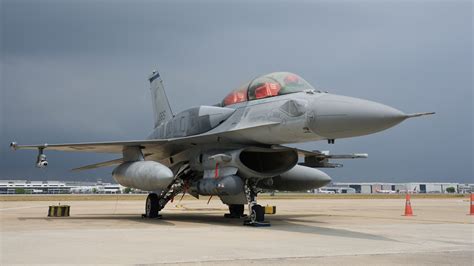
Stealth fighters are astonishingly expensive not only to buy, but also to operate. An F-35A can cost more than $80 million per aircraft before weapons, training, maintenance infrastructure, spare parts, and software support are even considered. Once the aircraft enters service, the operating costs continue piling up. Estimates place the F-35’s flight-hour cost between $34,000 and $42,000, while maintenance requirements can reach up to 13 labor hours for every hour flown.
That level of sustainment is manageable for military superpowers with trillion-dollar defense ecosystems. It becomes far more difficult for nations with limited budgets, unstable economies, or competing domestic priorities.
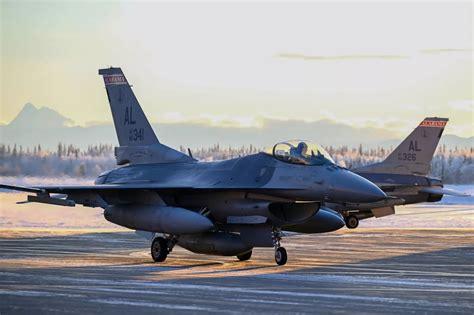
Older fighters dramatically reduce those burdens. Fourth-generation aircraft such as the F-16 Fighting Falcon or MiG-29 Fulcrum can still perform interception, strike, and patrol missions effectively while costing substantially less to maintain. Many countries discover that buying several older aircraft creates greater practical value than acquiring a tiny fleet of cutting-edge stealth fighters that cannot be sustained properly.
Operational readiness matters more than prestige. A nation with twelve affordable aircraft that can fly daily may possess greater practical airpower than one operating four advanced fighters grounded by maintenance issues.
The difference becomes even clearer when infrastructure enters the equation. Stealth aircraft demand climate-controlled hangars, specialized maintenance facilities, advanced software integration systems, and highly trained technicians. Many smaller air forces simply do not possess that ecosystem and cannot justify the investment required to build it.
Why Older Fighters Are Still Militarily Effective
Despite their age, many legacy aircraft remain extremely capable in modern combat environments. The assumption that older fighters are obsolete ignores how most military operations actually occur.
Stealth is crucial when penetrating heavily defended enemy airspace against advanced integrated air defense systems. However, countless missions do not require low observability at all. Border patrol, anti-smuggling operations, maritime surveillance, counterinsurgency missions, and air policing can all be conducted effectively by older fighters.
A MiG-29 intercepting unauthorized aircraft near a national border does not need stealth coatings to succeed. An Su-25 conducting close air support against insurgents gains little benefit from radar invisibility. In these situations, ruggedness, payload capacity, endurance, and low operating cost matter far more.
Legacy fighters also excel because they were designed during an era emphasizing durability and field operations. Soviet aircraft in particular became famous for operating from rough runways under harsh conditions with limited maintenance support.
That rugged simplicity remains valuable today.
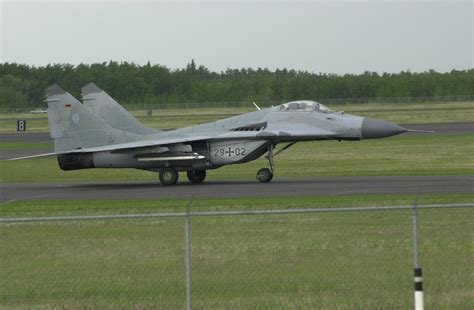
Countries facing active conflict or unstable security environments often prefer aircraft capable of surviving imperfect operating conditions. A stealth aircraft requiring sensitive maintenance facilities becomes far less practical during sustained warfare where airbases may be under missile attack.
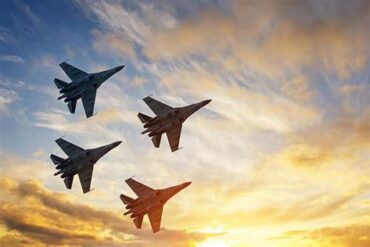
Ukraine’s experience since 2022 reinforced this lesson dramatically. While Russia introduced advanced aircraft into the conflict, Ukrainian forces continued relying heavily on upgraded Soviet-era fighters such as the MiG-29 and Su-27. These aircraft remained combat-effective through the use of standoff weapons, dispersed basing tactics, and adaptability.
The war demonstrated an uncomfortable truth for defense planners worldwide: fourth-generation fighters are still dangerous when properly employed.
The Global Flood of Surplus Soviet Aircraft
The collapse of the Soviet Union created one of the largest military equipment liquidations in modern history. Thousands of aircraft suddenly became available across Eastern Europe and former Soviet republics.
For smaller nations seeking affordable combat aviation, this surplus market became a strategic opportunity.
MiG-21s, MiG-29s, Su-25s, and Su-27s entered the global marketplace at astonishingly low prices compared to Western alternatives. Some aircraft were sold directly by governments attempting to reduce military inventories, while others moved through intermediaries, contractors, or refurbishment programs.
One of the most remarkable examples emerged in 2024 when reports surfaced that the United States purchased 81 Soviet-era aircraft from Kazakhstan for approximately $19,300 per aircraft. Even accounting for airframe condition and refurbishment costs, the prices illustrated how inexpensive surplus fighters can become.
For developing nations, acquiring a squadron of older fighters may cost less than purchasing a handful of modern helicopters.
This affordability reshapes military planning. Instead of focusing exclusively on technological superiority, countries can emphasize fleet size, pilot readiness, and operational tempo. Quantity retains strategic importance, especially for nations managing large borders or maritime territories.
The Soviet legacy market also provides political flexibility. Purchasing Western fighters frequently involves strict diplomatic conditions, export controls, software restrictions, and oversight agreements. Surplus Soviet aircraft are often easier to acquire with fewer geopolitical strings attached.
That independence appeals strongly to governments seeking military capability without deep alignment to major powers.
Upgraded Legacy Fighters Create “4.5-Generation” Capability
Older aircraft are rarely operated in their original Cold War configurations. Many are heavily modernized using contemporary avionics, radar systems, electronic warfare suites, and precision-guided weapons.
This transformation has given rise to the “4.5-generation” fighter category.
Aircraft such as upgraded F-16s, Rafales, Gripens, and modernized MiG-29s combine proven airframes with advanced digital systems. While they lack full stealth characteristics, they can still deploy sophisticated missiles, share battlefield data, and conduct modern air combat missions effectively.
For countries unable to afford fifth-generation fleets, these upgrades offer a highly attractive middle ground.
Instead of purchasing entirely new aircraft, nations can extend the life of existing fleets while dramatically improving capability. Western contractors and defense firms increasingly specialize in these modernization packages, replacing outdated Soviet electronics with NATO-compatible systems and advanced targeting technologies.
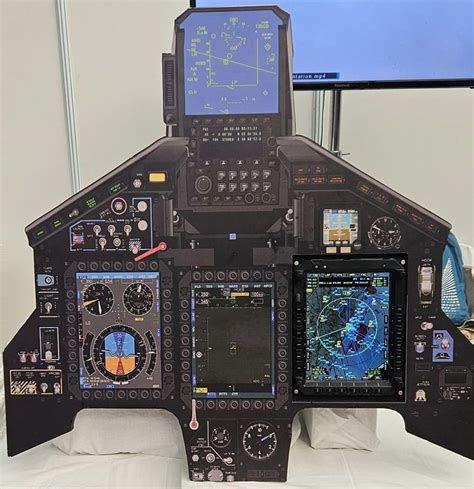
The result is an aircraft that may visually resemble a Cold War fighter but internally operates with modern combat functionality.
Importantly, these upgrades preserve existing pilot familiarity and maintenance knowledge. Transitioning from an older MiG variant to an upgraded MiG-29 requires far less retraining than shifting entirely to Western stealth aircraft.
That continuity saves money, time, and operational disruption.
Air Forces Need Reliability More Than Prestige
Military aviation discussions often become obsessed with technological glamour. Yet air forces ultimately exist to generate sorties consistently during real-world operations.
This is where older aircraft frequently outperform expectations.
Many advanced fighters suffer from readiness challenges because of maintenance complexity. The F-35 program, despite its extraordinary capabilities, has repeatedly faced criticism over mission-capable rates and sustainment burdens. Sophisticated systems create more potential failure points, while stealth materials require delicate upkeep.
Legacy fighters generally avoid those complications.
Aircraft like the F-16 became globally successful partly because they balanced performance with maintainability. Ground crews can service them faster, parts are widely available, and operational procedures are well understood after decades of worldwide use.
For smaller air forces, reliability becomes strategically critical. Aircraft grounded in hangars contribute nothing to national defense.
A rugged older fighter capable of flying daily patrols provides tangible security value, especially in regions facing limited but persistent threats.
The same logic applies to training. Pilot proficiency depends heavily on flight hours. Countries operating affordable aircraft can often keep pilots flying more regularly than nations struggling to sustain expensive stealth fleets.
An average pilot flying consistently in an older aircraft may prove more combat-ready than one with limited hours in a superior platform.
Infrastructure Limitations Shape Procurement Decisions
One of the least discussed barriers to modern fighter acquisition is infrastructure.
Stealth aircraft are not simply airplanes; they are components within massive technological ecosystems. Bases require secure data networks, software integration centers, specialized diagnostics equipment, and climate-controlled maintenance facilities.
Even runway requirements can become more demanding.
Many nations lack the resources to create that infrastructure nationwide. Older aircraft, by contrast, were designed for operational flexibility. Soviet fighters especially emphasized dispersed operations from rugged facilities because planners anticipated wartime destruction of major airbases.
That philosophy remains valuable in modern conflicts.
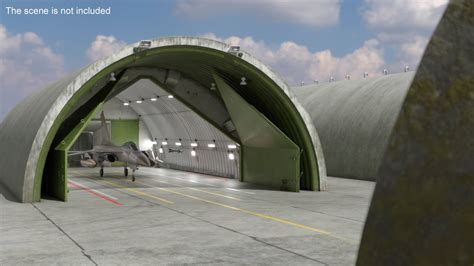
Countries vulnerable to missile strikes or operating from remote regions often prefer aircraft capable of functioning under austere conditions. Simpler fighters can disperse rapidly, operate from secondary airfields, and continue flying even when support infrastructure is damaged.
This resilience becomes strategically important during prolonged conflicts.
The issue extends beyond facilities into technical expertise. Fifth-generation aircraft require highly specialized engineers, cybersecurity systems, and software technicians. Training and retaining those personnel can become enormously expensive for smaller militaries.
Legacy aircraft reduce that burden dramatically.
The Strategic Reality Behind Modern Air Warfare
Another reason older fighters remain relevant is that modern warfare itself has evolved in unexpected ways.
Precision-guided weapons, long-range missiles, drones, and electronic warfare increasingly matter more than raw aircraft performance alone. A fourth-generation fighter armed with advanced standoff weapons can still threaten high-value targets without entering heavily defended airspace.
This dynamic weakens the assumption that stealth automatically dominates every scenario.
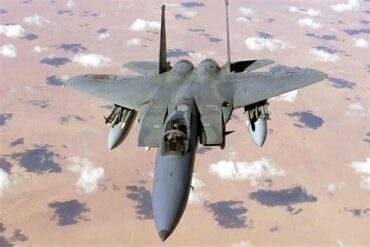
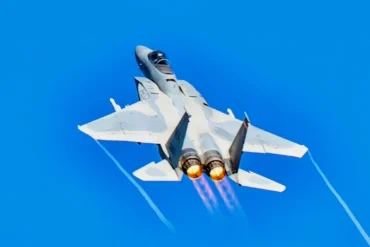
Aircraft such as the F-15EX demonstrate that payload capacity still matters enormously. Unlike stealth fighters constrained by internal weapons bays, non-stealth aircraft can carry massive external ordnance loads. In many combat situations, missile quantity and range become decisive factors.
The Ukraine conflict highlighted this transformation repeatedly. Older aircraft remained operationally relevant because modern weapons compensated for airframe limitations.
Many defense planners now recognize that affordable fighters paired with advanced missiles can deliver significant deterrence value without requiring ultra-expensive stealth fleets.
That realization is reshaping procurement decisions worldwide.
Why the United States Still Buys Soviet Aircraft
One of the most fascinating aspects of the legacy aircraft market is that even the United States continues acquiring former Soviet fighters.
These purchases serve multiple purposes.
Some aircraft support aggressor squadrons used for realistic combat training. Others provide intelligence opportunities, spare parts inventories, or flight-testing platforms. Private military aviation companies also purchase retired Soviet jets to support military exercises.
Organizations like Draken International and AIR USA operate MiG-21s and MiG-29s specifically to simulate adversary tactics during training missions for Western pilots.
This demand demonstrates a critical point: older aircraft still possess meaningful combat characteristics worth studying and preparing against.
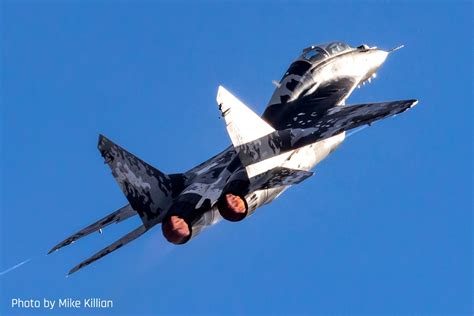
If legacy fighters were truly irrelevant, major militaries would not spend money operating them for adversary simulation.
Instead, they remain credible enough to challenge modern pilots during training exercises, especially when combined with aggressive tactics and experienced crews.
Why Old Military Aircraft Are Not Disappearing Anytime Soon
The future of military aviation will undoubtedly include increasingly advanced stealth fighters, autonomous systems, artificial intelligence integration, and next-generation networking technologies. Yet none of those developments will eliminate the enduring practicality of older aircraft.
For many nations, military procurement is not about possessing the world’s most advanced technology. It is about achieving reliable security within realistic financial constraints.
Legacy fighters continue succeeding because they occupy a strategic sweet spot between affordability, effectiveness, and operational simplicity. They can patrol borders, conduct strikes, intercept threats, and support ground forces without demanding the enormous economic commitment required by fifth-generation fleets.
In many cases, older aircraft are not signs of military backwardness at all. They are calculated choices shaped by geography, economics, infrastructure, and mission requirements.
The glamorous future of air warfare may belong to stealth jets and autonomous combat systems, but the daily reality of global military aviation still depends heavily on aircraft designed decades ago. Across vast regions of the world, Cold War fighters continue flying because they remain good enough, cheap enough, and durable enough to meet the demands of modern conflict.