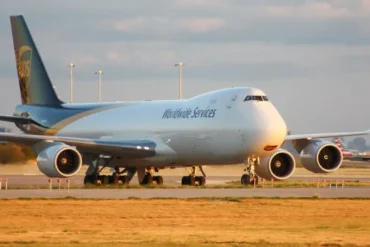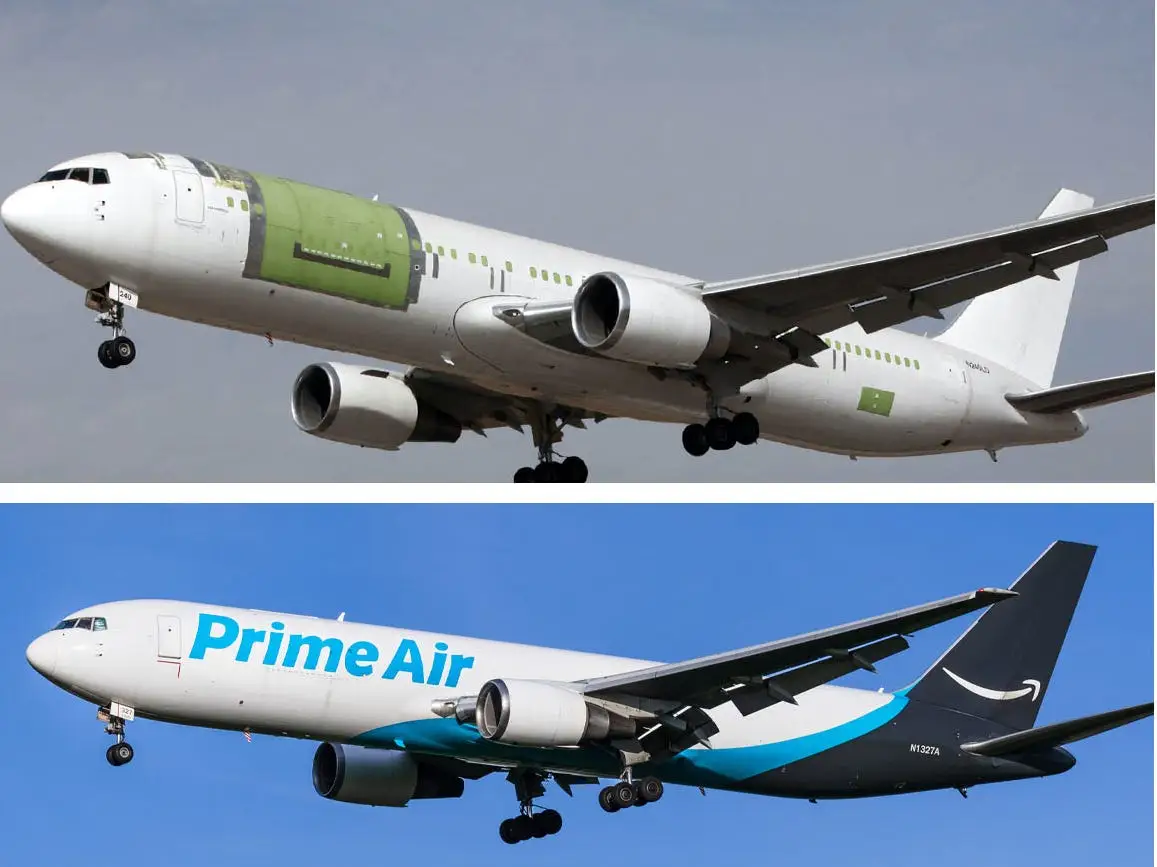
The sight of a retired airliner sitting quietly in a desert storage facility often creates the impression that its flying days are over. In reality, many of these aircraft are preparing for a remarkable transformation. Instead of being dismantled for spare parts or scrapped for metal, they are being physically cut open, reinforced, rebuilt, and returned to service as cargo aircraft. This process, known as passenger-to-freighter conversion, has become one of the most important developments in modern aviation.
As airlines modernize their fleets with newer and more fuel-efficient aircraft, thousands of older passenger jets are entering the secondary market. While these airplanes may no longer fit the economics of passenger operations, they still possess decades of structural life. Cargo operators have recognized this untapped value, creating a booming industry focused on extending the usefulness of aging aircraft.
For aviation engineers, investors, cargo carriers, and aircraft lessors, passenger-to-freighter conversions represent a unique intersection of engineering innovation and financial efficiency. What appears to be a retired airplane is often the foundation of a highly profitable cargo operation.
The Growing Demand for Passenger-to-Freighter Conversions
Commercial airlines rarely retire aircraft because they are no longer safe to fly. Instead, retirement is usually driven by economics. New-generation aircraft consume less fuel, require lower maintenance costs, and offer improved operating efficiency. When fuel savings and operational benefits outweigh the costs of keeping an older aircraft in service, airlines begin replacing their fleets.
Aircraft such as the Airbus A320-200, Airbus A321-200, Airbus A330 family, Boeing 737-800, Boeing 757-200, Boeing 767-300ER, and Boeing 777-300ER have increasingly become prime candidates for conversion programs. Many of these jets leave passenger service while still possessing substantial remaining structural life.
Rather than allowing these aircraft to sit unused, cargo operators purchase them at relatively low prices and invest in extensive modifications that transform them into dedicated freighters. The result is a cargo aircraft capable of serving regional and international freight markets for many additional years.
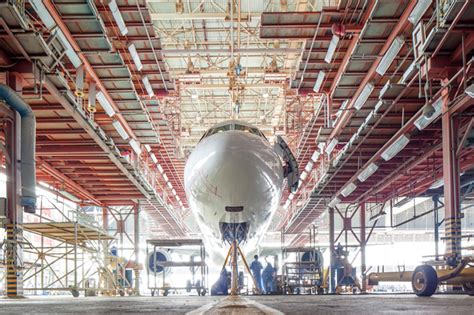
How Engineers Physically Transform a Passenger Jet into a Cargo Aircraft
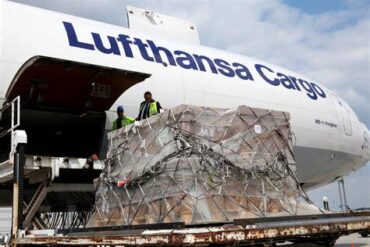
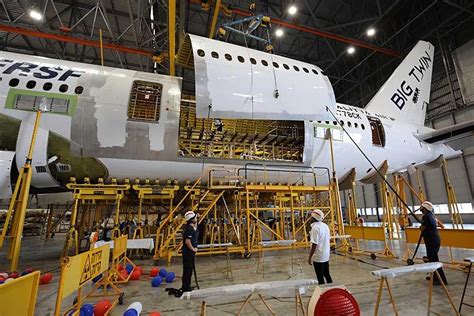
The most dramatic stage of the conversion process involves cutting a massive opening into the side of the aircraft’s fuselage. This opening becomes the main cargo door, allowing containers and pallets to be loaded directly onto the aircraft’s main deck.
Before that step can occur, engineers must strip the passenger cabin completely. Seats, overhead bins, lavatories, galleys, entertainment systems, and cabin furnishings are removed. The aircraft is essentially reduced to its structural shell.
Passenger windows are then permanently plugged and reinforced. While windows are essential for passenger comfort, they serve no purpose in cargo operations and can create maintenance complications. Eliminating them improves structural integrity and reduces potential failure points.
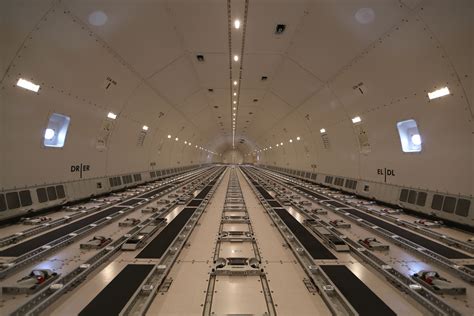
The aircraft floor undergoes significant strengthening. Passenger aircraft floors are designed primarily to support people and cabin equipment. Cargo operations require the ability to carry dense freight weighing several tons. Engineers reinforce floor beams, install cargo loading systems, and ensure the aircraft can withstand concentrated loads generated by freight containers and pallets.
The installation of the cargo door remains the most technically challenging aspect of the conversion. Cutting into the pressure vessel of an aircraft requires precise engineering calculations. Additional structural reinforcements must be added around the opening to maintain the aircraft’s strength during flight cycles and pressurization.
Hydraulic systems, locking mechanisms, and specialized cargo handling equipment are then integrated into the aircraft. Fire detection systems are upgraded, and cockpit software may be modified to accommodate cargo operations.
The entire process typically takes several months and can cost anywhere from under $10 million to more than $30 million, depending on the aircraft type and complexity of the conversion.
Why Cargo Airlines Prefer Converted Aircraft
The economics of cargo aviation differ dramatically from passenger transportation. Passenger airlines typically strive to maximize aircraft utilization, often operating their fleets for twelve or more hours each day. High utilization helps justify the enormous cost of acquiring new aircraft.
Cargo operators function under a different business model. Freight flights are heavily concentrated around logistics hubs and package sorting centers. Aircraft often fly during specific connection windows and remain parked for significant portions of the day.
Because cargo aircraft generally accumulate fewer flight hours, the fuel efficiency advantages of brand-new aircraft become less compelling. The acquisition cost of a new freighter can be difficult to justify when utilization rates remain comparatively low.
This economic reality makes converted passenger aircraft particularly attractive. Operators can obtain a proven airframe for a fraction of the cost of a new-build freighter while still meeting operational requirements.
The lower capital investment allows cargo airlines to maintain profitability even when freight demand fluctuates. For many operators, purchasing a converted aircraft delivers a stronger return on investment than acquiring an expensive factory-built freighter.
The Rise of the Narrowbody Freighter Market
One of the most important trends in cargo aviation is the growing dominance of converted narrowbody aircraft. Unlike the widebody segment, the narrowbody market currently offers virtually no dedicated new-build freighters.
As a result, airlines seeking smaller cargo aircraft must rely on converted passenger jets.
The Airbus A321 passenger-to-freighter program has emerged as one of the industry’s biggest success stories. The aircraft offers a combination of payload capability, cargo volume, and operating efficiency that fits perfectly within modern regional freight networks.
Similarly, converted Boeing 737-800 aircraft have become workhorses for express package carriers and regional cargo operators. Their widespread availability and established maintenance infrastructure make them highly attractive investments.
The retirement wave generated by the Airbus A320neo family and Boeing 737 MAX has accelerated the supply of conversion candidates. Airlines replacing older narrowbody fleets are creating a steady stream of aircraft that can be repurposed for cargo operations.
This abundance of available airframes helps keep acquisition costs low while ensuring conversion programs have a consistent supply of aircraft to modify.
Why Widebody Conversions Continue to Thrive
Widebody cargo aircraft occupy a different niche. These airplanes handle longer routes, larger cargo volumes, and higher payload requirements. Consequently, there remains a viable market for new-build freighters such as the Airbus A350F and Boeing 777-8F.
However, even in this segment, converted aircraft remain highly competitive.
The Boeing 767-300ER provides a perfect example. Once converted, it offers capabilities remarkably similar to factory-built freighter variants. For many operators, the lower acquisition cost outweighs the marginal performance differences.
The Boeing 777-300ER and Airbus A330-300 have also emerged as popular conversion candidates. Although neither aircraft was originally optimized for cargo operations, their large fuselage dimensions provide substantial cargo volume.
These aircraft are especially effective for transporting lightweight, high-volume shipments such as e-commerce packages. As online shopping continues expanding globally, demand for this type of cargo capacity has increased significantly.
The Engineering Trade-Offs of Converted Freighters
While converted aircraft offer impressive economic benefits, they are not perfect substitutes for purpose-built freighters.
Factory-built cargo aircraft are designed from the beginning with freight operations in mind. Structural components, loading systems, floor strength, and cargo access features are optimized for maximum efficiency.
Converted aircraft inevitably carry compromises inherited from their passenger origins.
A converted Boeing 747-400, for example, lacks some capabilities found on factory-built freighter variants. It cannot fully replicate the functionality of the iconic nose-loading door, a feature highly valued for transporting oversized cargo.
Similarly, some converted widebody aircraft carry less payload than dedicated freighter versions because their underlying structures were not originally designed for maximum cargo efficiency.
Despite these limitations, the economic advantages often outweigh the performance compromises. For many cargo operators, achieving slightly lower payload capacity is an acceptable trade-off when acquisition costs are dramatically lower.
Why Rare Aircraft Are Rarely Converted
The success of any conversion program depends heavily on aircraft availability. Popular passenger aircraft generate large fleets, creating abundant opportunities for cargo conversion.
Aircraft such as the Airbus A320 family, Boeing 737 Next Generation series, Boeing 767, Airbus A330, and Boeing 777 have all achieved significant production volumes. This creates a large supply of used aircraft entering the market every year.
Rare aircraft do not enjoy the same advantage.
Developing a conversion program requires extensive engineering work, certification efforts, tooling investments, and regulatory approvals. These costs can only be justified when sufficient aircraft exist to support large-scale conversions.
This explains why relatively uncommon aircraft such as the Airbus A340 or Boeing 747-8 rarely become major conversion candidates. The potential market simply does not support the enormous development expense.
The Future of Cargo Aviation Beyond the Boeing 747
For decades, the Boeing 747 freighter served as the backbone of global air cargo. Its exceptional payload capability, enormous internal volume, and unique nose-loading door made it indispensable for freight operators worldwide.
Yet the aviation industry is gradually moving beyond the 747 era.
New-generation freighters such as the Airbus A350F and Boeing 777-8F are designed to deliver similar cargo capabilities while dramatically reducing fuel consumption and operating costs.
These aircraft target the same mission profile once dominated by the 747-400F. They offer long-range performance, substantial payload capacity, and improved environmental efficiency.
The Airbus A350F introduces one particularly notable feature: an exceptionally large main deck cargo door. Designed to accommodate oversized freight, the door helps replicate some of the flexibility traditionally associated with the 747’s nose-loading system.
Meanwhile, the Boeing 777-8F focuses on maximizing payload efficiency and long-haul performance for operators seeking a direct replacement for aging jumbo freighters.
Why Cutting Open Airliners Makes Economic Sense
At first glance, cutting a massive hole into the side of a commercial airliner may seem like an act of destruction. In reality, it represents one of aviation’s most effective methods of asset preservation.
Passenger-to-freighter conversions allow aircraft to remain productive long after their passenger careers end. They reduce waste, maximize the value of existing assets, and provide cargo operators with affordable capacity in a highly competitive market.
As global e-commerce expands and air freight networks continue evolving, the demand for converted aircraft is likely to remain strong. Every retired passenger jet represents a potential cargo aircraft waiting for a second opportunity.
The next time an aging airliner disappears from a passenger fleet, its story may be far from over. Behind the doors of specialized maintenance facilities around the world, engineers are transforming yesterday’s passenger aircraft into tomorrow’s cargo workhorses—one carefully cut fuselage at a time.