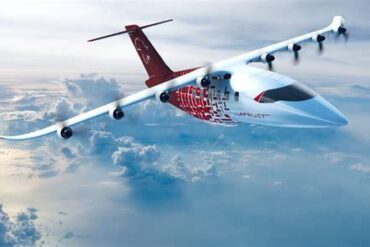
Japan Airlines has taken a monumental step in the realm of aviation by partnering with Maeve Aerospace to develop the revolutionary hybrid-electric MAEVE Jet. This collaboration signifies a pivotal moment for regional air travel in Japan, aiming to create an aircraft that not only meets the increasing demand for eco-friendly transport solutions but also enhances operational efficiency. With a shared vision for sustainability, this partnership is set to transform the aviation landscape by integrating cutting-edge hybrid-electric technology into the core design of the MAEVE Jet.
The inception of this innovative project stems from a signed Memorandum of Understanding (MOU) between Japan Airlines Co., Ltd. (JAL), JAL Engineering Co., Ltd. (JALEC), and Maeve Aerospace GmbH. This agreement marks the beginning of a journey aimed at crafting an aircraft tailored specifically for the unique demands of Japan’s regional aviation network. The MAEVE Jet promises to redefine the standards of regional air travel, focusing on creating a more efficient, sustainable, and economically viable solution.
A Vision for Sustainable Regional Aviation
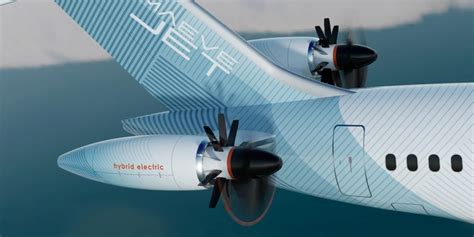
At its core, the MAEVE Jet embodies a revolutionary approach to regional airliner design. By merging hybrid-electric technology with an optimized structural framework, this aircraft is poised to deliver substantial improvements in operational economics compared to traditional regional aircraft. Weight reduction and advanced systems architecture are central to this design, promising significant enhancements in energy efficiency while concurrently minimizing environmental impact.
According to Maeve Aerospace, the MAEVE Jet has the potential to decrease overall carbon emissions by as much as 40%, achieving these remarkable reductions without relying on Sustainable Aviation Fuel (SAF). This groundbreaking development aligns seamlessly with global initiatives aimed at decreasing aviation’s carbon footprint, addressing the industry’s pressing need for sustainable solutions. The MAEVE Jet will offer a greener alternative to conventional regional aircraft, catering to the rising demand for environmentally responsible aviation solutions while bolstering economic growth and connectivity within regional markets.
Key Roles in the Partnership
The collaboration harnesses the unique strengths of each partner involved. Japan Airlines (JAL), with its extensive industry experience, will play a crucial role in supporting the MAEVE Jet’s development. This includes contributions in critical areas such as aircraft design, operational optimization, and the establishment of a robust customer support framework. JAL’s involvement ensures that the MAEVE Jet adheres to the stringent airworthiness and reliability standards essential for commercial operations across Japan.
JAL Engineering Co., Ltd. (JALEC) will leverage its deep expertise in maintenance, repair, and overhaul (MRO) practices to design systems that guarantee the aircraft remains in optimal operating condition. Beyond maintenance, JALEC will also be instrumental in developing specialized monitoring systems and predictive analytics to enhance the MAEVE Jet’s long-term operational efficiency.
Maeve Aerospace GmbH, recognized as a leader in hybrid-electric aircraft technology, will spearhead the advancement of the aircraft’s technological components. From design and development to flight trials and certification, Maeve’s specialized knowledge in hybrid-electric propulsion and advanced systems integration will be vital in ensuring that the MAEVE Jet meets the highest performance standards while promoting sustainability.
Operational Optimization and Infrastructure Requirements
The partnership between JAL, JALEC, and Maeve Aerospace is also committed to optimizing the operational requirements for the MAEVE Jet within Japan’s regional network. This entails a thorough assessment of necessary airport infrastructure modifications and operational processes to facilitate the seamless integration of the aircraft.
One of the primary challenges faced during the MAEVE Jet’s development is ensuring compatibility with existing airport infrastructures. As part of this initiative, JAL will evaluate regional airports’ suitability for the aircraft, considering essential factors such as runway lengths, airport facilities, and ground handling capabilities. By confirming that the MAEVE Jet aligns with current infrastructure, the partners aim to facilitate a smooth and cost-effective transition to hybrid-electric regional aircraft.
Additionally, the collaboration will focus on devising an efficient operational method tailored for the MAEVE Jet. This includes identifying routes that would most benefit from the aircraft’s hybrid-electric design, particularly short- to medium-haul flights that dominate Japan’s regional air transportation market. The partnership will also prioritize the development of operational procedures designed to maximize the aircraft’s energy efficiency while ensuring safety and reliability.
Maintenance, Repair, and Overhaul (MRO) Framework
A cornerstone of the MAEVE Jet program will be the establishment of a comprehensive Maintenance, Repair, and Overhaul (MRO) framework. JAL, in collaboration with JALEC, will lead the charge in crafting a future-proof MRO system capable of addressing the unique requirements posed by hybrid-electric aircraft. This system will be designed to maintain the MAEVE Jet’s operational efficiency throughout its lifecycle, minimizing downtime and reducing maintenance costs.
The MRO framework will establish a network of service centers equipped to handle the specialized needs of the MAEVE Jet, including advanced monitoring systems and hybrid-electric components. JAL and JALEC will work closely with Maeve Aerospace to ensure that maintenance protocols are not only technically sound but also economically feasible for regional operations.
Supporting Japan’s Regional Connectivity
The MAEVE Jet represents more than just a technological breakthrough; it is a crucial element in enhancing regional connectivity across Japan. By providing a more sustainable and cost-effective alternative for regional airlines, the MAEVE Jet will facilitate greater access to underserved routes, thereby improving connectivity between rural and urban areas. This enhanced connectivity is anticipated to revitalize local communities and stimulate economic growth through increased mobility.
As part of JAL’s broader strategy to rejuvenate local economies, the MAEVE Jet will serve as a vital instrument in expanding Japan’s regional aviation network. JAL’s commitment to improving connectivity through sustainable aviation solutions aligns with the company’s vision of contributing to the long-term development of Japan’s regional infrastructure while simultaneously reducing its environmental footprint.
Looking Ahead
The signing of the MOU between Japan Airlines, JAL Engineering, and Maeve Aerospace heralds the start of an exciting chapter in the future of regional aviation. With a laser focus on hybrid-electric propulsion and innovative aircraft design, the MAEVE Jet is poised to reshape the landscape of regional air transportation, not just in Japan but on a global scale. As development progresses, the partnership will continue to fine-tune the aircraft’s specifications and operational systems, ensuring compliance with the highest performance, safety, and sustainability standards.
In the years to come, the MAEVE Jet will emerge as a pivotal player in the aviation industry’s transition towards greener and more efficient technologies, setting the stage for a new era of regional air travel that prioritizes both environmental responsibility and operational excellence. This collaboration between Japan Airlines, JAL Engineering, and Maeve Aerospace is a significant leap forward in realizing this visionary goal.