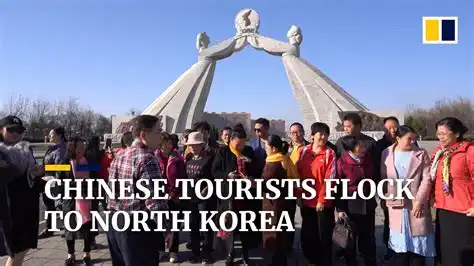
North Korea is cautiously signaling the beginning of a long-awaited reopening to foreign visitors, with a recent update suggesting that select Chinese nationals may soon be allowed to enter the country under special conditions. The news, shared by a Beijing-based travel company that specializes in North Korea-bound tours, hints at a phased return of inbound tourism after years of strict border closures. This cautious approach marks a significant moment for the isolated nation as it navigates the complexities of re-engaging with the global travel market.
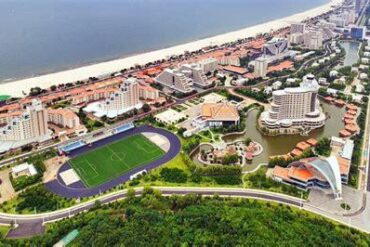
The travel agency, which has extensive experience organizing trips to the reclusive nation, recently published a notice indicating that North Korea may permit access to a small group of Chinese citizens. However, this invitation is not extended to general tourists. Instead, it is reportedly limited to individuals involved in tourism-related partnerships centered on Rason—a special economic zone located near North Korea’s northeastern border with Russia. This selective opening suggests that the country is prioritizing relationships that could foster economic benefits and stability.
The current development is unofficial, and no formal announcement has been made by North Korean authorities. Still, the agency characterized the move as a positive indication that Pyongyang may gradually be preparing to reengage with the global travel market. In the past, the travel company has offered tours to a range of North Korean destinations, including Pyongyang, Mount Myohyang, and Rason. These rare travel experiences allowed international visitors limited glimpses into one of the world’s most isolated countries. With this latest update, it appears North Korea is taking cautious steps to revive its tourism sector—albeit on a very restricted scale.
In early 2025, North Korea momentarily allowed limited entry to a select group of international visitors, marking its first easing of border restrictions since the onset of the COVID-19 pandemic. That reentry was short-lived, lasting only three weeks before authorities closed the borders again without providing clear explanations. At the time, the same agency issued an advisory confirming the change, although details about the sudden reversal remained scarce. This pattern of tentative openings reflects the broader uncertainty surrounding North Korea’s approach to international engagement.
More recently, in April, North Korea permitted approximately 180 foreigners to enter the country to participate in the annual Pyongyang International Marathon. While notable, this event did not represent a full return to tourism. Those who entered were invited by the country’s athletics association and remained under tight supervision. After the race, participants were allowed limited sightseeing around Pyongyang, again under strict control. This careful management of foreign visitors underscores North Korea’s continued emphasis on maintaining order and security while exploring avenues for economic revival.
Another sign of cultural reengagement comes with the planned return of the Pyongyang International Film Festival, scheduled for October 2025. This marks the first time in six years that the event will be held. Films from most countries are eligible for submission, with the exception of South Korea, the United States, and Japan—nations that have been excluded from participating since the festival’s inception in 1987. It remains unclear whether international filmmakers will be invited to attend the event in person or if participation will be limited to film submissions only, but the festival represents a potential opportunity for cultural exchange and international dialogue.
Despite the lack of clarity around the full reopening of its borders, the travel agency continues to list available tours to North Korea on its website. Some travel packages scheduled to depart from Beijing and Yanji in June are already fully booked, indicating strong interest from potential travelers. A notable offering includes the seven-day “Victory Day Tour,” departing from Yanji in July, which is still accepting registrations. However, the fine print on the website underscores ongoing limitations. Citizens holding South Korean or US passports are barred from applying. Additionally, journalists, media professionals, and photographers are explicitly excluded from eligibility.
All bookings must be made through the agency’s online platform, although it remains uncertain whether applications are actively being processed or merely collected in anticipation of future approvals. Attempts to contact the agency via the phone number provided on the site resulted in a voicemail response. The message requested that callers leave their contact details for a return call. An inquiry regarding the timeline for border reopening and approval of travel applications has yet to receive a response. This lack of communication reflects the opaque nature of North Korean governance and its approach to international relations.
Though small and selective in nature, these developments point to a potential shift in North Korea’s post-pandemic travel stance. While the reopening remains tightly controlled and limited in scope, it could serve as the first step in a broader plan to revive the country’s struggling tourism sector after years of complete isolation. As the world watches closely, the implications of this cautious reopening are profound, not only for North Korea but for the broader regional dynamics and economic strategies in Northeast Asia. The journey ahead for North Korea is fraught with challenges, but the initial steps toward re-engagement may pave the way for more substantial changes in the future.