The global cargo aviation industry is entering one of the most dangerous transition periods in its modern history. Airlines desperately need new freighters, fuel costs continue climbing, environmental regulations are tightening, and maintenance bills for aging aircraft are spiraling upward. Yet despite overwhelming demand for replacement aircraft, the next generation of cargo jets remains stuck in production limbo.
What should have been a smooth modernization cycle has instead become a perfect storm of manufacturing bottlenecks, engine shortages, certification delays, labor constraints, and regulatory pressure. The result is an industry trapped between obsolete aircraft and unavailable replacements.
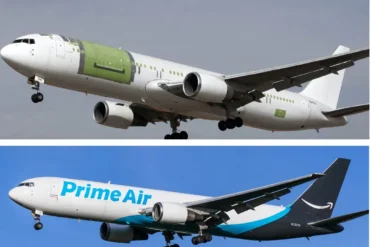
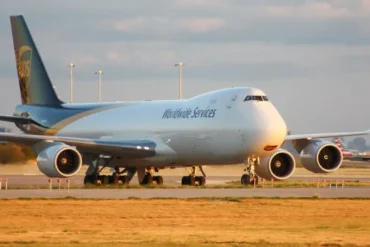
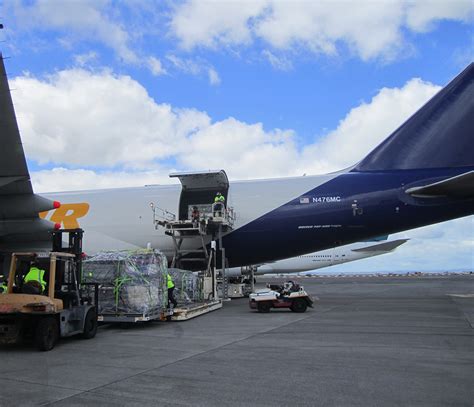
Cargo airlines now find themselves operating fleets that, in many cases, were expected to retire years ago. Boeing 747-400Fs, aging 767 freighters, and converted passenger aircraft are being pushed far beyond their intended service lives because there is simply nothing else available in sufficient numbers. The Airbus A350F and Boeing 777-8F were supposed to usher in a new era of efficient air freight operations. Instead, they have become symbols of a global aerospace supply chain struggling to function under unprecedented strain.
The consequences are reaching far beyond aviation itself. Air cargo remains one of the critical arteries of the global economy, moving pharmaceuticals, semiconductors, perishables, e-commerce shipments, industrial equipment, and emergency supplies across continents every day. When cargo fleets age without replacement, the reliability of global logistics networks begins to erode.
By the end of this decade, the airlines that survive may not necessarily be the largest operators, but the ones capable of navigating a prolonged period of industrial paralysis.
The Aerospace Supply Chain Is Breaking Under Pressure
The current freighter crisis did not appear overnight. It is the result of years of structural weaknesses inside the aerospace manufacturing ecosystem that were exposed and amplified by global disruptions.
Aircraft production relies on one of the most complex industrial supply chains in the world. A single widebody freighter contains millions of components sourced from thousands of suppliers spread across multiple continents. Even the smallest disruption can cascade through the system and delay entire programs.
Airbus has experienced this firsthand with the A350F program. The aircraft itself promises major improvements in fuel efficiency, payload performance, and environmental compliance. Airlines want it badly. The problem is that Airbus cannot build enough aircraft quickly enough to satisfy demand.
One of the largest obstacles involves the center fuselage production process. Airbus inherited significant complications from outsourced manufacturing arrangements that created quality-control problems and assembly inefficiencies. Bringing portions of production back under direct control has helped stabilize operations, but it has not restored the rapid production tempo airlines expected.
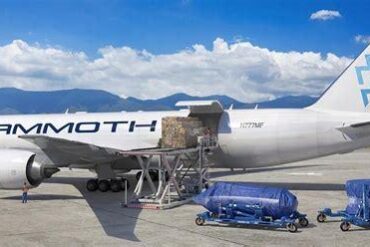
The situation becomes even more complicated because freighters are structurally different from passenger aircraft. Installing a massive reinforced cargo door into the fuselage is not a simple modification. The structural engineering requirements dramatically increase manufacturing complexity. Reinforcement around the cargo door affects stress distribution throughout the fuselage, requiring additional engineering precision and production time.
Every delay compounds another delay. Airlines planning fleet renewals around 2026 delivery schedules suddenly discovered those timelines slipping by more than a year. In the cargo world, a year is an eternity.
Unlike passenger airlines, cargo carriers cannot easily compensate for capacity shortages by adjusting schedules or reducing frequencies. Freight contracts are tied directly to supply chains, retail inventories, and industrial production cycles. Missing capacity targets can trigger massive logistical consequences across multiple industries simultaneously.
The Engine Crisis Is Creating Millions Of Dollars In Grounded Aircraft
Even when manufacturers manage to complete airframes, another crisis is waiting at the end of the assembly line: engines.
Across the aerospace sector, fully assembled aircraft are sitting parked on factory aprons because engines are unavailable. These aircraft are essentially complete except for the most important component needed to fly.
The cargo industry is particularly vulnerable because the next-generation freighters depend on highly specialized engine programs with limited production flexibility.
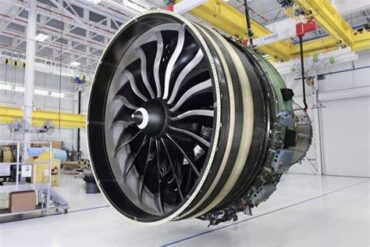
The Airbus A350F relies exclusively on the Rolls-Royce Trent XWB-97. Boeing’s 777-8F depends on the GE9X, one of the most technologically advanced commercial jet engines ever developed. Both engines require precision manufacturing processes involving exotic materials, advanced metallurgy, and extremely limited industrial capacity.
The bottleneck is especially severe in turbine blade production. High-pressure turbine blades operate under temperatures approaching the melting point of the metal itself. Manufacturing them requires specialized casting techniques that only a handful of facilities worldwide can perform at scale.
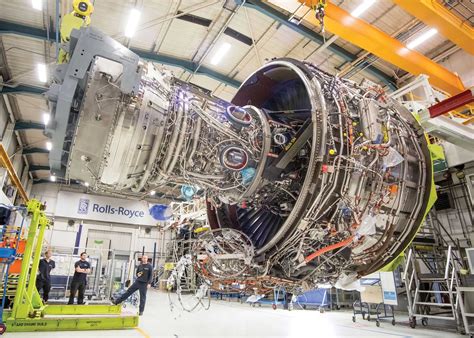
Engine manufacturers now face an impossible balancing act. Airlines operating current fleets require continuous spare engine support to avoid grounding existing aircraft. At the same time, new aircraft production lines need engines delivered on schedule. With limited manufacturing capacity available, suppliers are prioritizing operational fleet support over new deliveries.
That decision makes sense operationally, but it creates devastating consequences for fleet renewal programs.
For cargo airlines, the outcome is brutal. A carrier may secure a production slot for a new freighter only to discover that engine shortages delay final delivery indefinitely. Capital becomes trapped in unfinished aircraft while older jets remain in service consuming more fuel and generating higher maintenance costs.
This phenomenon has created a bizarre sight at major aerospace facilities: rows of completed aircraft sitting motionless like giant aluminum statues waiting for engines that may not arrive for months.
Cargo Airlines Are Canceling Orders They Cannot Afford To Lose
The uncertainty surrounding delivery schedules has triggered growing frustration among airlines and aircraft lessors.
Air Lease Corporation’s decision to cancel its A350F order sent shockwaves through the aviation industry because such moves are extraordinarily rare for high-demand aircraft programs. Lessors typically maintain long-term commitments even during delays because future demand for freighters remains strong.
But the unpredictability has become nearly impossible to manage financially.
Cargo airlines build entire network strategies around fleet planning assumptions. Aircraft delivery schedules influence route development, staffing, financing structures, maintenance planning, airport slot negotiations, and long-term customer contracts. When manufacturers repeatedly shift timelines, the financial consequences ripple through every part of the business.
Air France-KLM Cargo reduced its own A350F commitments as carriers increasingly adopt more cautious approaches to capital spending. Airlines are attempting to preserve flexibility while waiting for greater certainty regarding deliveries.
Yet despite the cancellations and adjustments, demand for next-generation freighters remains incredibly strong. Airlines know they have little choice.
The Airbus A350F still maintains a substantial order backlog because operators understand the alternative is worse. Continuing to operate aging fleets indefinitely is becoming economically unsustainable.
Fuel burn alone creates a staggering disadvantage for older freighters. Modern composite widebody aircraft can deliver double-digit percentage improvements in fuel efficiency compared with older generation cargo jets. For airlines operating long-haul freight routes daily, those savings translate into millions of dollars annually per aircraft.
In an industry where margins can disappear quickly during economic downturns, operating inefficient aircraft becomes a serious competitive threat.
The Aging Freighter Fleet Is Becoming A Financial Time Bomb
The global cargo fleet is aging rapidly, and airlines are paying an increasingly painful price to keep these aircraft operational.
Aircraft like the Boeing 747-400F have become icons of global logistics. They remain enormously capable freighters with unmatched cargo capacity. But many of these aircraft are now more than two decades old, and aging aircraft create escalating technical risks.
Maintenance costs rise exponentially as aircraft age. Corrosion becomes more common. Structural fatigue inspections become more intensive. Spare parts become harder to source. Unexpected failures occur more frequently.
A heavy maintenance check for a large freighter can cost millions of dollars, and those checks are occurring more often as fleets age.
The problem extends beyond direct maintenance expenses. Operational reliability also deteriorates.
When a cargo aircraft suffers an unexpected mechanical issue, the disruption can ripple across international supply chains within hours. Freight schedules are tightly coordinated with trucking networks, warehouses, customs processing, and retail distribution systems. One grounded aircraft can create bottlenecks affecting thousands of shipments.
Cargo airlines now face a punishing cycle. They must continue investing heavily in aging aircraft because replacements are unavailable. Yet every dollar spent prolonging the life of old jets is money that cannot be invested elsewhere.
The economics become even worse under rising environmental pressure.
Older freighters burn significantly more fuel and produce higher emissions than modern aircraft. As carbon taxes and environmental regulations expand globally, operating legacy fleets becomes increasingly expensive. European emissions rules are already raising operational costs for airlines flying older cargo aircraft into regulated markets.
Many carriers are effectively trapped on a maintenance treadmill they cannot escape.
ICAO 2027 Regulations Are About To Change Everything
The most dangerous aspect of the crisis may not be manufacturing delays themselves, but the regulatory deadline approaching simultaneously.
Beginning in 2027, stricter ICAO emissions standards will fundamentally reshape the cargo aircraft market. Aircraft that fail to meet the new CO2 requirements will effectively reach the end of their production viability.
This means the current Boeing 777F and Boeing 767-300F production lines are approaching their sunset period under existing configurations.
That creates an extraordinary industry gap.
The older freighters airlines rely upon are aging rapidly. The current generation production lines are winding down due to emissions regulations. Meanwhile, the replacement aircraft intended to fill the gap are delayed.
For a period of time, the cargo industry could face a scenario where no large-scale production freighters are readily available in sufficient quantities.
The timing could hardly be worse. Global e-commerce demand continues expanding aggressively. Cross-border logistics networks are growing increasingly dependent on rapid air cargo capacity. Semiconductor supply chains, pharmaceutical distribution, and high-value industrial shipments all require reliable air freight infrastructure.
Without enough new freighters entering service, airlines may be forced to extend older fleets well beyond economically ideal retirement ages.
The consequences will likely include:
- Higher freight costs
- Increased maintenance-related disruptions
- Reduced fuel efficiency
- Higher carbon emissions
- Longer fleet utilization cycles
- Greater pressure on aircraft leasing markets
The regulatory environment also discourages airlines from canceling future aircraft orders entirely. Carriers that walk away from delivery positions today risk losing access to replacement aircraft until well into the 2030s due to already massive order backlogs.
In other words, airlines remain locked into delayed programs because there are virtually no viable alternatives.
Passenger-To-Freighter Conversions Are Only A Temporary Solution
As new-build freighter delays worsen, airlines are increasingly turning toward passenger-to-freighter conversions to bridge the gap.
Older passenger aircraft such as the Boeing 777-300ER and Airbus A330 are being converted into cargo aircraft at growing rates. These converted freighters offer faster availability and lower acquisition costs compared with factory-built aircraft.
For many operators, conversions represent the only practical method of expanding cargo capacity during the current shortage.
But conversions have serious limitations.
Purpose-built freighters are structurally optimized from the beginning for cargo operations. Their floor strength, cargo-loading systems, fuselage reinforcement, and weight distribution are specifically engineered for freight.
Converted passenger aircraft inherit compromises from their original design purpose.
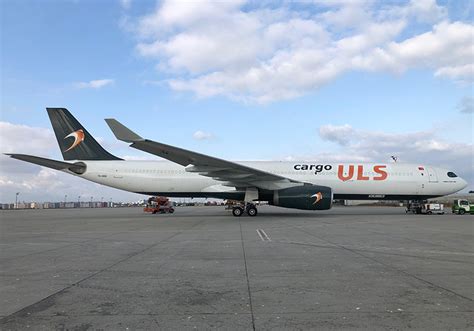
Converted aircraft often carry lower payloads than dedicated freighters. Their cargo loading efficiency can be reduced. Structural fatigue histories from passenger service may limit long-term durability under intensive freight operations.
Most importantly, conversions do not solve the industry’s long-term modernization problem. They merely extend the operational life of older airframes already circulating within the global fleet.
Airlines know this. Conversions are survival tools, not strategic endgames.
The First Airlines To Modernize Will Dominate The Next Decade
Despite the delays, the eventual arrival of the Airbus A350F and Boeing 777-8F will reshape the cargo industry dramatically.
The airlines that secure early access to these aircraft will gain enormous advantages in fuel efficiency, operational reliability, maintenance costs, and environmental compliance.
Modern freighters will allow carriers to transport larger payloads over longer distances while consuming significantly less fuel. In a business where fuel remains one of the largest operating expenses, that advantage becomes transformative.
Operational reliability may prove even more valuable. New aircraft require less maintenance downtime, reducing schedule disruptions and improving fleet utilization rates. Cargo customers increasingly prioritize reliability as global supply chains become more time-sensitive.
The strategic implications are massive.
Airlines operating modern freighters will likely undercut competitors on operating costs while simultaneously offering better reliability and lower emissions. Older carriers stuck with aging fleets could find themselves squeezed out of premium cargo markets.
This is why airlines continue waiting despite mounting frustration. The long-term rewards remain too significant to ignore.
For now, however, the global cargo industry remains suspended between two eras. Aging freighters continue carrying the world’s commerce while manufacturers struggle to deliver the aircraft designed to replace them.
Every additional delay increases the pressure.
Every postponed delivery extends the life of another aging aircraft.
And every month that passes pushes the global logistics system closer to a breaking point few believed possible only a decade ago.