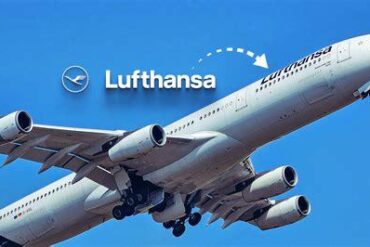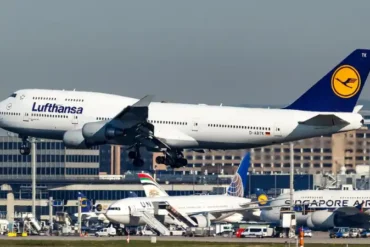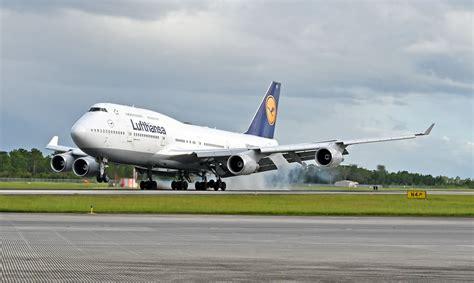
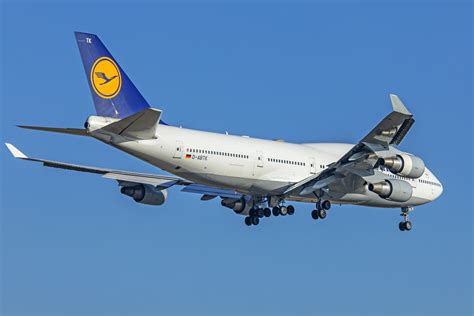
The Boeing 747-400, once the crown jewel of international travel, is an aging aircraft by today’s standards. And yet, Lufthansa, a legacy airline deeply rooted in innovation and modernity, continues to fly eight of these quadjet behemoths from its hub at Frankfurt Airport. This raises a striking question: why in the world does Lufthansa still fly the Boeing 747-400 in 2025, despite having newer and more efficient aircraft in its fleet?
The Historical Bond Between Lufthansa and the 747
Lufthansa’s relationship with the Boeing 747 is one of aviation’s most iconic partnerships. As one of the first global carriers to adopt the 747, Lufthansa received its first 747-100 in 1970. Over the decades, it went on to operate multiple variants: the 747-200B, 747-200M, 747-400, 747-400M, and now the 747-8. Few airlines in the world have had such a long-standing and continuous relationship with the Queen of the Skies.
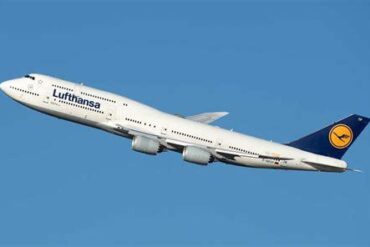
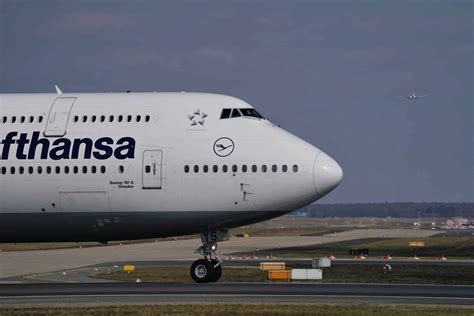
Even today, Lufthansa remains the largest passenger operator of the 747-8, with 19 in service. But it is the continued use of the older 747-400 that sparks curiosity and admiration in equal measure.
The Real Cost of Flying an Old Queen
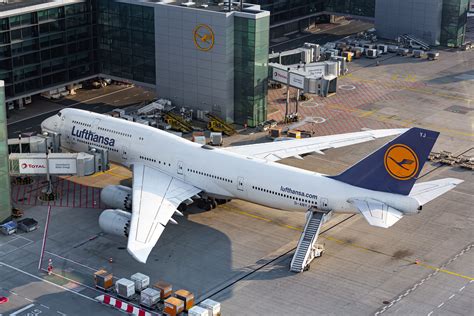
At face value, the 747-400 appears to be a relic of inefficiency. It is powered by four General Electric CF6-80 engines, which lack the fuel economy and noise suppression of modern turbofans. When compared to newer twinjets like the Airbus A350 or the Boeing 787, the fuel burn is substantially higher. Even the 747-8, a newer generation jumbo jet, delivers a significantly more efficient performance.
However, fuel is only one component of operational cost. Lufthansa’s 747-400s were largely delivered between 1996 and 2002, making them 23 to 27 years old as of 2025. Crucially, these aircraft are fully paid off. With no lease or loan payments, they operate as pure assets, minimizing capital expenditures. This makes the 747-400 financially viable in the short term, particularly on medium-haul routes where fuel burn can be somewhat mitigated.
Route Strategy: Using the 747-400 Where It Hurts Least
Rather than flying ultra-long-haul missions, Lufthansa smartly deploys its 747-400s on routes that optimize capacity without stretching fuel limits. In 2025, the aircraft is used on routes from Frankfurt to:
- New York-JFK
- Boston
- Toronto
- Vancouver
- Bengaluru
- Singapore
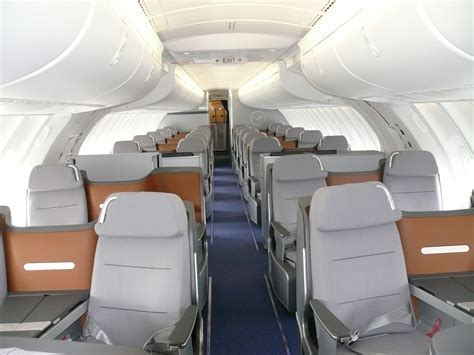
The longest of these routes, Frankfurt to Singapore (LH780), clocks in at 5,550 nautical miles—long but not ultra-long-haul. The aircraft’s 371-seat configuration—with 67 in business class, 32 in premium economy, and 272 in economy—allows Lufthansa to move significant volumes without first-class seats, making it an ideal high-density, mid-premium configuration for these particular markets.
Fleet Lifecycle: From 31 to 8
At its peak, Lufthansa operated 31 Boeing 747-400s, including seven combi variants (747-400M). As newer aircraft like the Airbus A380 and the 747-8 entered the fleet, many of the older 747-400s were retired in the early 2010s. The pandemic accelerated this trend, with five additional retirements in 2020.
What’s left in 2025 are the last eight airframes, all part of the second delivery batch from 1996 to 2002. Lufthansa has chosen to operate them until the arrival of the Boeing 777-9, expected to begin deliveries in 2026. Until then, these 747-400s continue to offer value, despite their dated technology and environmental footprint.
Why Not Replace Them Sooner?
Modern aircraft are more efficient but astronomically expensive. Acquiring a fleet of widebody jets costs billions of dollars, which must be amortized over decades. With the Boeing 777-9 program experiencing multiple delays, Lufthansa has had no choice but to extend the operational lifespan of its older jets.
Furthermore, the 747-400 still meets regulatory requirements, and Lufthansa maintains these aircraft meticulously. Their airworthiness, safety, and comfort levels—though not cutting-edge—are still well within international standards.
The 747-400’s Place in Lufthansa’s Operational Puzzle
Despite its age, the 747-400 plays a strategic role. Lufthansa’s fleet strategy is diversified, balancing fuel efficiency, seat capacity, and route flexibility. Unlike the 747-8, which includes first class and flies to premium-heavy destinations like Los Angeles and Shanghai, the 747-400 is used on high-volume, lower-premium routes. This smart segmentation ensures each aircraft type is utilized where it performs best.
What Will Replace the 747-400?
The natural successor to the 747-400 is the Boeing 777-9, the largest twin-engine jet ever developed. Lufthansa is the launch customer and has 20 on order. With significantly better fuel efficiency, noise compliance, and passenger comfort, the 777X will transform Lufthansa’s long-haul experience.
These aircraft will be fitted with the new Allegris cabins, Lufthansa’s most ambitious interior redesign in decades. Expect suite-style business class, climate-controlled seating, and next-gen in-flight entertainment systems across all cabins. With three potential layout configurations ranging from 341 to 364 seats, the 777-9 will almost perfectly match the 747-400’s capacity while slashing fuel consumption and operating costs.
The Emotional Weight of Retirement
For aviation enthusiasts, the 747-400 represents the golden era of air travel. Its iconic hump, four roaring engines, and enormous silhouette evoke a sense of wonder rarely matched by modern aircraft. Lufthansa’s decision to keep the 747-400 flying into the mid-2020s has earned it admiration from those who still marvel at jumbo jets.
But time is relentless. These final eight aircraft will be phased out by 2028, ending a remarkable chapter in commercial aviation history. Their last flights will no doubt be celebrated, documented, and remembered, not just by the airline but by enthusiasts worldwide.
Lufthansa’s 747 Legacy Will Continue
While the 747-400 fades away, Lufthansa’s 747-8 fleet remains strong. These 19 aircraft are much younger and will continue flying well into the 2030s. Notably, Lufthansa plans to retrofit them with Allegris cabins, signaling a firm commitment to operating these jumbos for years to come.
This dual strategy—honoring the past while embracing the future—positions Lufthansa as both a keeper of aviation heritage and a leader in global air travel innovation. And though the retirement of the 747-400 will mark the end of an era, it also paves the way for a more sustainable, modern, and comfortable Lufthansa experience.
Conclusion
Lufthansa’s continued operation of the Boeing 747-400 may seem puzzling in an age defined by fuel efficiency and environmental consciousness. But beneath the surface lies a carefully calculated fleet strategy, shaped by aircraft economics, route demand, and delivery delays. By stretching the service life of these iconic aircraft just a little longer, Lufthansa manages to strike a rare balance between legacy and logic.
In just a few short years, the last Lufthansa 747-400 will take off for its final mission. Until then, these grand airliners continue to soar—loud, proud, and unforgettable.