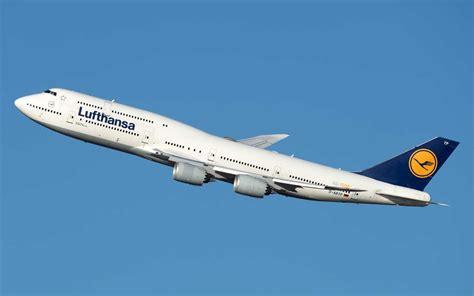
The Boeing 747-400 occupies a strange, majestic corner of modern aviation. It is neither fully retired nor truly mainstream, neither museum piece nor everyday workhorse. In 2026, this aircraft still crosses continents and oceans on scheduled passenger flights, quietly defying the industry’s twin-engine orthodoxy. These remaining services are not symbolic gestures; they are demanding, long-haul routes that test endurance, economics, and engineering in equal measure. For aviation enthusiasts, frequent flyers, and historians alike, the longest nonstop 747-400 routes in 2026 represent the final chapters of a remarkable story—chapters written at altitude, over vast distances, by a jet that once ruled the skies.
Why the Boeing 747-400 Still Matters in 2026
The endurance of the 747-400 is not nostalgia alone. When it entered service in 1989, it redefined what long-haul flying meant, combining enormous capacity with a range that made nonstop intercontinental travel routine rather than exceptional. With a maximum range exceeding 7,200 nautical miles, the aircraft enabled airlines to link global hubs directly, reshaping networks and passenger expectations.
Today, efficiency metrics favor aircraft like the A350 and 787, yet the 747-400 survives where its unique combination of payload, passenger volume, and operational flexibility still makes sense. In 2026, just three carriers—Lufthansa, Aeroflot (via Rossiya), and Air China—continue scheduled passenger operations. According to Cirium data, they collectively plan 378 nonstop passenger flights across 22 routes, offering more than 148,000 seats and nearly 600 million available seat miles. These flights are concentrated on a small number of high-impact routes, many of which rank among the longest the type has ever flown.
A Global Snapshot of Remaining 747-400 Operations
The geography of remaining 747-400 services is revealing. Germany anchors the network through Frankfurt, Asia provides the longest stage lengths, and Russia maintains extensive domestic utilization due to unique geopolitical and operational pressures. This is not a random scattering of routes; it is a curated survival map shaped by fleet availability, infrastructure compatibility, and strategic necessity.
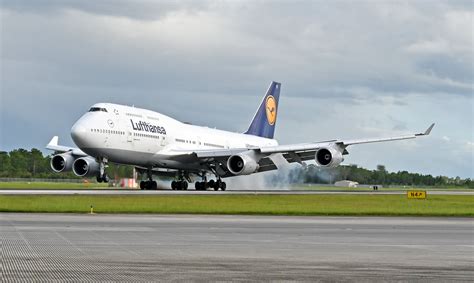
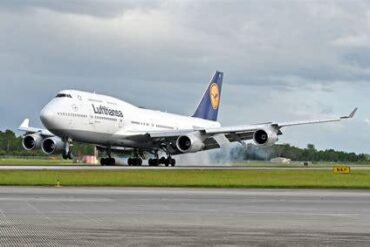
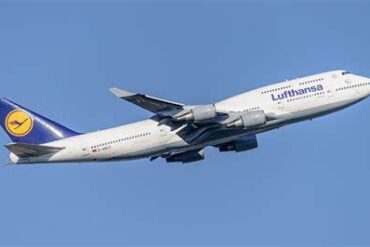
Frankfurt stands out as the spiritual home of the passenger 747-400 in 2026. Lufthansa’s remaining eight aircraft operate the most ambitious missions still entrusted to the type, pushing distances that many modern widebodies handle routinely—but with far fewer engines and far less drama.
Frankfurt to Singapore: The Ultimate 747-400 Marathon
At 6,389 miles, Frankfurt–Singapore is the longest nonstop Boeing 747-400 route scheduled in 2026. Operated by Lufthansa, this flight represents the absolute outer edge of the aircraft’s real-world operational envelope in passenger service.
Block times range from 12 hours 15 minutes to over 13 hours, depending on winds and seasonal routing. Thirty-one round-trip services are planned across the year, offering just over 23,000 seats between Europe and Southeast Asia. On this route, the 747-400 competes directly with ultra-long-range twins, yet it does so with an unmistakable presence: a cavernous cabin, a distinctive upper deck, and the unmistakable sound profile of four engines working in concert.
This route is not merely long; it is symbolically loaded. Singapore was among the earliest adopters of the 747 family, and Frankfurt has long been Lufthansa’s intercontinental anchor. In 2026, this pairing becomes a living tribute to the golden age of long-haul aviation.
Frankfurt to Shanghai: Heavy Metal Meets Heavy Demand
The second-longest nonstop 747-400 route in 2026 links Frankfurt and Shanghai, covering 5,516 miles. This flight underscores Lufthansa’s commitment to using the aircraft where its capacity still aligns with demand, particularly on trunk routes connecting Europe with major Asian megacities.
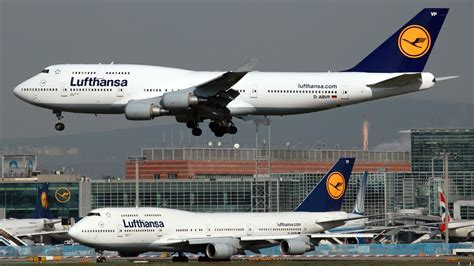
Flight times vary widely, from 11 hours 50 minutes eastbound to nearly 14 hours westbound, reflecting the realities of jet streams across Eurasia. With 51 total flights planned over the year and nearly 19,000 seats available, this route demonstrates that the 747-400 is not simply lingering—it is actively deployed where it still earns its keep.
Operationally, Shanghai offers the infrastructure the aircraft demands: long runways, robust ground handling, and consistent premium demand. Strategically, it allows Lufthansa to maximize the remaining value of a fleet type approaching the end of its service life.
Frankfurt to Bengaluru: Long-Haul Meets Tech Corridor
Covering 4,602 miles, Frankfurt–Bengaluru ranks as the third-longest nonstop 747-400 route in 2026. What makes this route notable is not just its length, but its frequency. With 31 outbound and 31 inbound flights, it ties as the most frequently operated 747-400 route of the year.
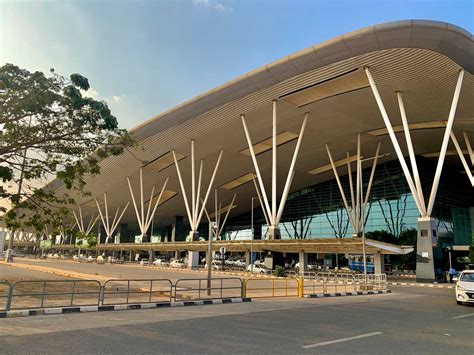
Bengaluru’s role as India’s technology hub drives steady premium and corporate demand, making high-capacity aircraft viable even in an era of right-sizing. For passengers, this route offers one of the last opportunities to experience a classic jumbo on a long-haul sector that blends business travel with leisure traffic.
From a fleet perspective, this route highlights Lufthansa’s pragmatic approach: deploying aging but paid-off aircraft on missions where reliability and capacity outweigh fuel burn penalties.
Moscow to Yuzhno-Sakhalinsk: The Longest Domestic 747-400 Route
Outside Lufthansa’s network, the most striking 747-400 operation in 2026 belongs to Aeroflot, via its subsidiary Rossiya Airlines. The Moscow–Yuzhno-Sakhalinsk route spans 4,139 miles, making it the fourth-longest nonstop 747-400 route globally—and one of the longest domestic flights operated by any widebody aircraft.
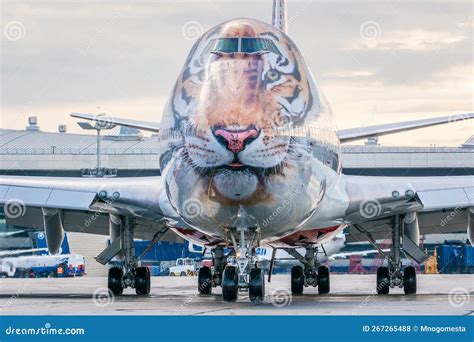
This route exists largely because of circumstance. International sanctions have restricted access to newer aircraft and spare parts, prompting Russian carriers to reactivate and sustain older, mechanically familiar types. Eight outbound and nine inbound flights are planned in 2026, accommodating nearly 8,900 passengers.
Here, the 747-400 is less a legacy icon and more a logistical solution. Its robustness, maintenance familiarity, and sheer capacity make it indispensable on routes linking Russia’s vast geography.
Frankfurt to Delhi: A Final European-Indian Stronghold
Rounding out the top five is Frankfurt–Delhi, at 3,810 miles. While shorter than the other headline routes, it remains among the longest regularly scheduled 747-400 services worldwide in 2026.
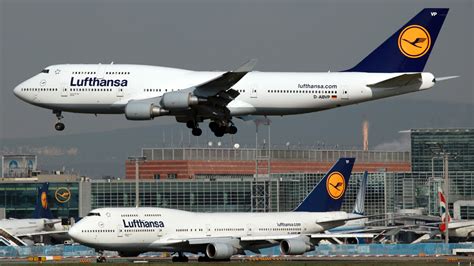
Lufthansa plans 62 total flights on this route across the year, offering another 23,000-plus seats. For Indian aviation enthusiasts, this service represents one of the last chances to fly the classic jumbo on a major intercontinental route. For Lufthansa, it is another example of strategic asset utilization during a transitional fleet phase ahead of Boeing 777-9 deliveries.
Other Nonstop Boeing 747-400 Routes in 2026
Beyond the headline long-haul services, the 747-400 continues to operate on shorter—but still significant—routes within Russia and China. These include domestic links from Moscow to Magadan, Blagoveshchensk, and Kaliningrad, as well as Beijing to Shenzhen, Guangzhou, and Shanghai under Air China.
Air China’s two remaining passenger 747-400s focus on high-density domestic corridors where slot constraints and demand spikes justify widebody deployment. Its Beijing–Shenzhen service, at 1,212 miles, is the carrier’s longest 747-400 route in 2026, with 17 flights planned and nearly 12,000 seats available.
The 747-400’s Last Competitive Advantage
What keeps the Boeing 747-400 viable this late into its lifecycle is not efficiency, but versatility. Its ability to carry large passenger volumes, operate from established hubs, and absorb schedule disruptions without cascading delays gives it a niche value that spreadsheets often overlook.
In 2026, these aircraft are almost entirely amortized. Their economics hinge less on fuel burn and more on capital costs already written off decades ago. For airlines navigating fleet gaps, delivery delays, or geopolitical constraints, the 747-400 remains a surprisingly effective bridge.
Is 2026 the Boeing 747-400’s Final Act?
Whether 2026 marks the final full year of passenger 747-400 operations remains uncertain, but the trajectory is unmistakable. Of the 442 passenger variants built, only a handful remain active. Cargo operators will extend the type’s life a little longer, yet even that chapter is closing as aircraft like the 777-8F and A350F loom.
What is clear is that the longest nonstop 747-400 routes in 2026 represent something more than flight schedules. They are the last proving grounds of an aircraft that once symbolized the future. For those who board these flights, the experience is not just transportation—it is participation in aviation history, measured in miles, hours, and the quiet thunder of four engines carrying a legend toward its final horizon.