Modern air power is no longer defined solely by speed or firepower—it is defined by reach. The ability to project force, gather intelligence, or transport massive payloads across continents without stopping has become a decisive strategic advantage. In this arena, a select group of aircraft stands apart, engineered not just to fly, but to endure vast distances that reshape operational possibilities.
This exploration dives deep into five of the longest-range military aircraft currently in service, each representing a different category of aviation—from fighters to tankers, bombers to reconnaissance platforms. These aircraft are measured by their ferry range, a metric that reflects maximum distance under ideal conditions with full internal fuel and no payload. While real-world combat ranges are significantly shorter, ferry range reveals the true engineering limits of these aerial giants.
The Strategic Importance of Range in Modern Warfare
Range is more than a number—it is a statement of capability. Aircraft with extended reach can operate from safer bases, reduce reliance on forward deployment, and maintain persistent presence over distant theaters. In geopolitical environments where access to foreign bases may be uncertain, long-range aircraft become indispensable tools of deterrence and flexibility.
The evolution of aerial refueling has blurred the boundaries of range, yet inherent endurance remains critical. Aircraft designed with large internal fuel capacity, aerodynamic efficiency, and mission-specific optimization still hold a commanding advantage, especially in scenarios where tanker support is limited or contested.
5. Sukhoi Su-34 Fullback / Su-35 Flanker: Long-Range Fighter Dominance
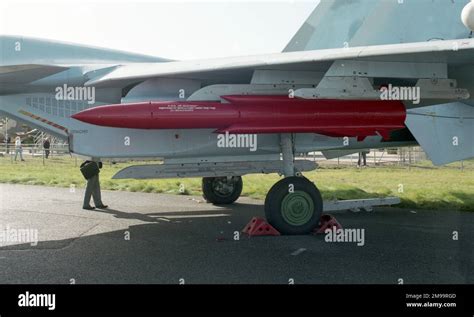
The Sukhoi Flanker family represents a fascinating blend of raw power and extended reach, pushing the boundaries of what a fighter aircraft can achieve. The Su-34 and Su-35 variants, in particular, are often cited as having a ferry range of approximately 4,300 nautical miles when equipped with multiple external drop tanks.
This capability stems from a design philosophy rooted in geography. Russia’s vast territorial expanse demands aircraft capable of long-range interception and strike missions without heavy reliance on aerial refueling. The Su-35, with its substantial internal fuel reserves and ability to carry large external tanks, embodies this requirement.
Unlike stealth-focused Western fighters, these aircraft prioritize fuel capacity and aerodynamic efficiency over radar invisibility. The absence of strict stealth constraints allows for larger airframes and greater payload flexibility, contributing to their impressive range figures.
However, these numbers must be approached with caution. Without external tanks, the range drops significantly to around 2,400 nautical miles, aligning more closely with Western counterparts like the F-15. Moreover, operational realities—combat maneuvers, payload weight, and mission complexity—reduce effective range considerably.
Still, within the fighter category, the Flanker family stands as a testament to range-focused engineering, offering a unique balance between endurance and combat capability.
4. Lockheed U-2 Dragon Lady: The High-Altitude Sentinel
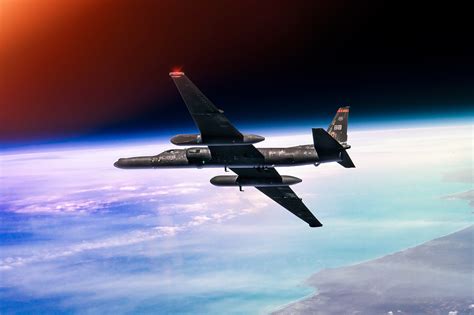
Few aircraft embody endurance like the U-2 Dragon Lady. Designed during the Cold War and still flying today, this high-altitude reconnaissance aircraft boasts a ferry range exceeding 6,000 nautical miles, with endurance often surpassing 14 hours.
The U-2 achieves this remarkable performance through a combination of extreme altitude and aerodynamic efficiency. Operating at altitudes above 70,000 feet, it flies in thinner air where drag is significantly reduced. This allows the aircraft to conserve fuel while maintaining long-duration surveillance missions.
Powered by a modernized turbofan engine, the U-2S variant continues to serve as a critical intelligence-gathering platform, even in an era dominated by satellites and drones. Its ability to loiter over regions for extended periods provides unmatched flexibility for real-time reconnaissance.
Despite its strengths, the U-2 is not without limitations. It is highly vulnerable in contested airspace, lacking the speed and stealth of more modern platforms. Yet, in permissive environments, it remains one of the most cost-effective and enduring surveillance aircraft ever built.
Its longevity is a testament to its design—proof that endurance can outlast generations of technological change.
3. B-52 Stratofortress / Tu-95 Bear: Cold War Titans with Endless Reach
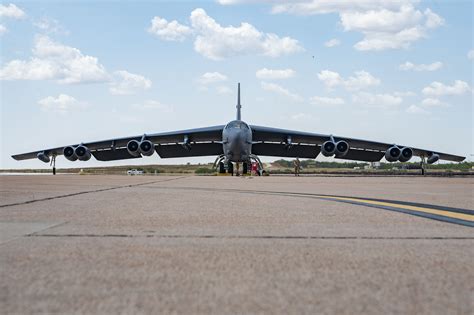
Strategic bombers have always been synonymous with range, and few aircraft exemplify this better than the B-52 Stratofortress and the Tu-95 Bear. These Cold War-era giants continue to serve today, each boasting ferry ranges around 8,100 nautical miles.
The B-52, affectionately known as the “BUFF,” has undergone continuous upgrades, ensuring its relevance well into the 21st century. Its subsonic design, combined with massive fuel capacity and efficient cruise performance, enables it to conduct intercontinental missions with ease.
The Tu-95, with its distinctive turboprop engines and swept wings, offers a unique approach to long-range bombing. Its propeller-driven design provides exceptional fuel efficiency, allowing it to achieve comparable range despite its age.
Interestingly, these older bombers often surpass newer, more advanced aircraft in raw range. Supersonic bombers like the B-1B or stealth platforms like the B-2 prioritize speed and survivability, often at the expense of endurance.
Future upgrades promise to extend this advantage even further. The B-52J variant, equipped with new engines, is expected to push its range beyond 9,000 nautical miles, reinforcing its status as a long-range powerhouse.
These aircraft are more than relics—they are living proof that strategic endurance remains a cornerstone of military aviation.
2. Antonov An-124 Ruslan: The Heavyweight Champion of Airlift
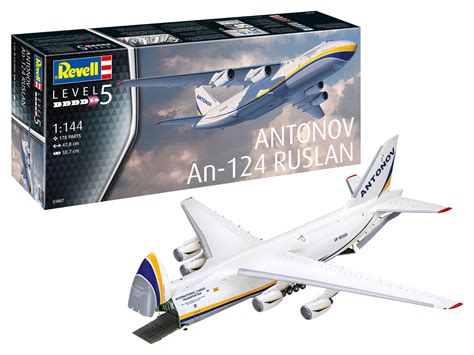
When it comes to sheer size and range, the Antonov An-124 Ruslan stands in a league of its own. With a ferry range of approximately 8,480 nautical miles, it is the longest-range military transport aircraft when flying without payload.
Designed to move massive cargo across continents, the An-124 combines enormous fuel capacity with efficient high-altitude cruise performance. Its cavernous cargo hold can carry everything from tanks to helicopters, making it an essential asset for strategic mobility.
However, its impressive ferry range comes with an important caveat: it lacks aerial refueling capability. Unlike aircraft such as the C-5M or C-17, which can extend their range indefinitely through refueling, the An-124 is limited to its onboard fuel.
Even so, its ability to traverse vast distances in a single flight makes it invaluable for rapid deployment and humanitarian missions alike. Whether delivering military equipment or disaster relief supplies, the Ruslan embodies the concept of global reach through sheer scale.
Its continued operation, despite geopolitical complexities, highlights the enduring demand for ultra-long-range heavy lift capability.
1. Airbus A330 MRTT: The Ultimate Long-Range Force Multiplier
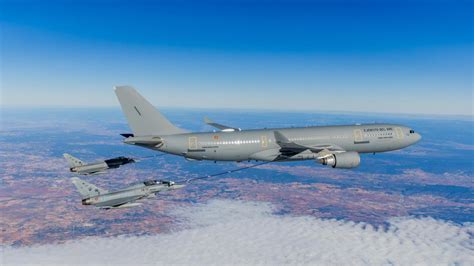
At the pinnacle of range and versatility sits the Airbus A330 MRTT, a multi-role tanker transport aircraft with an advertised ferry range of up to 8,700 nautical miles. This aircraft is not just long-range—it is a force multiplier that extends the reach of entire air forces.
Derived from the commercial A330 airliner, the MRTT combines efficient long-haul design with advanced military systems. Its primary role is aerial refueling, capable of delivering massive quantities of fuel to other aircraft while simultaneously transporting cargo or personnel.
What sets the A330 MRTT apart is its ability to refuel and be refueled, effectively granting it unlimited operational range under the right conditions. This capability transforms it into a strategic asset capable of supporting global operations without the constraints of traditional logistics.
Its popularity on the international market reflects its effectiveness. Air forces around the world rely on the MRTT to extend mission endurance, reduce dependency on forward bases, and enhance operational flexibility.
Future developments, including the A330 MRTT+, promise even greater efficiency and range, ensuring that this aircraft remains at the forefront of military aviation.
Range vs Reality: The Truth Behind Ferry Numbers
While ferry range provides a useful benchmark, it represents an idealized scenario rarely encountered in operational missions. Real-world factors such as payload weight, combat maneuvers, weather conditions, and fuel reserves significantly reduce effective range.
Different countries also calculate range using varying standards, leading to inconsistencies in reported figures. Some may include larger fuel reserves, while others optimize for maximum distance, creating apparent disparities that complicate direct comparisons.
Nevertheless, these numbers offer valuable insight into the engineering priorities and strategic doctrines behind each aircraft. Whether prioritizing endurance, payload, or versatility, each design reflects a unique approach to achieving long-range capability.
The Future of Long-Range Military Aviation
As technology advances, the concept of range continues to evolve. Improvements in engine efficiency, lightweight materials, and aerodynamic design are pushing the boundaries further than ever before. At the same time, the integration of autonomous systems and advanced refueling techniques is redefining what it means to operate at long distances.
Yet, even in this rapidly changing landscape, one truth remains constant: range equals influence. The ability to project power across vast distances without reliance on external support is a defining characteristic of modern military strength.
From the high-altitude endurance of the U-2 to the global reach of the A330 MRTT, these aircraft represent the pinnacle of what is possible when engineering meets strategic necessity. They are not just machines—they are symbols of reach, resilience, and the relentless pursuit of operational superiority.