Flying long-haul to Europe has always sparked a debate between comfort and cost-efficiency. With airfare prices soaring and points redemptions becoming increasingly competitive, many travelers face the question: Is premium economy to Europe a good compromise? For those unwilling to drain their points for business class but looking for more comfort than economy, premium economy (PE) often emerges as the middle ground. But is it truly worth it?
In this in-depth analysis, we explore the value proposition of premium economy, compare it with business and economy options, and evaluate real-world feedback from travelers.
Understanding Premium Economy for Transatlantic Travel
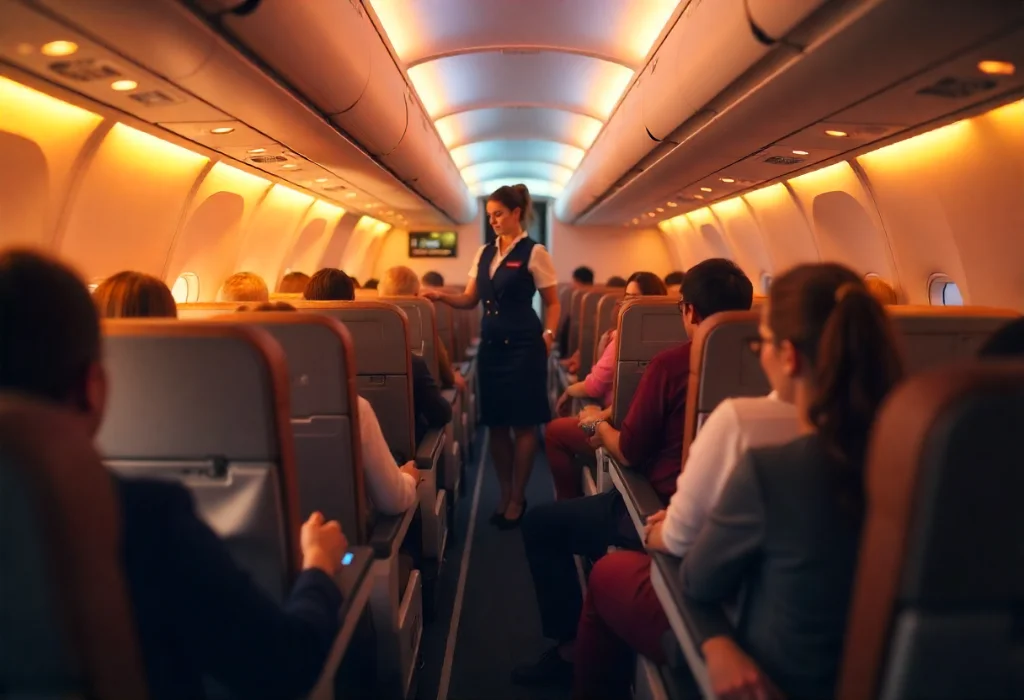
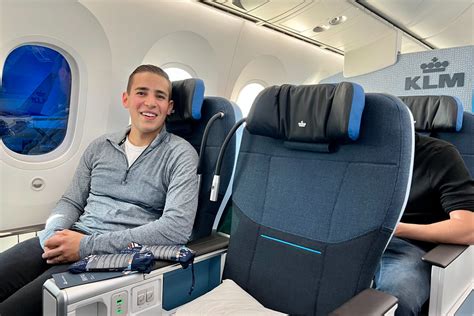
Premium economy is positioned between economy and business class, offering larger seats, increased legroom, enhanced meal service, priority boarding, and better baggage allowance. However, products vary widely between airlines, making it essential to examine the specifics before booking.
- Seat comfort: Typically 37–40 inches of pitch versus 31–32 in economy, with 18–19 inches of width compared to 17 in standard coach.
- Recline: Greater than economy but not lie-flat, making it ideal for passengers who can sleep in a slightly reclined position.
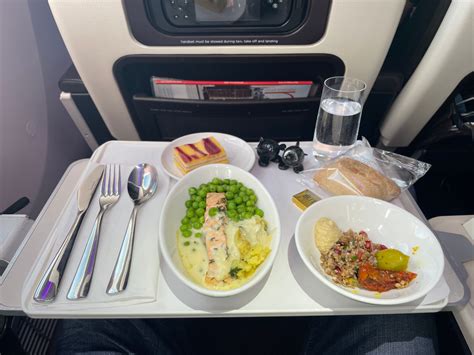
- Service: Enhanced dining experience, often with upgraded menus and complimentary beverages.
- Cabin: Located in a separate, smaller section, creating a quieter and more exclusive feel than economy.
For travelers who have never flown business class, premium economy feels like a major leap in quality. But for seasoned flyers used to lie-flat pods, the compromise can be less appealing.
Evaluating Comfort on Overnight Flights
One of the main reasons travelers upgrade to business class on U.S.–Europe routes is the overnight schedule. Most flights depart in the evening and arrive early in the morning, meaning sleep quality heavily impacts your first day abroad.
Premium economy offers comfort, but not rest comparable to lie-flat beds. Travelers who struggle to sleep upright may still arrive exhausted. However, for those who can sleep in recliners—or simply don’t sleep much in transit regardless—the value proposition improves significantly.
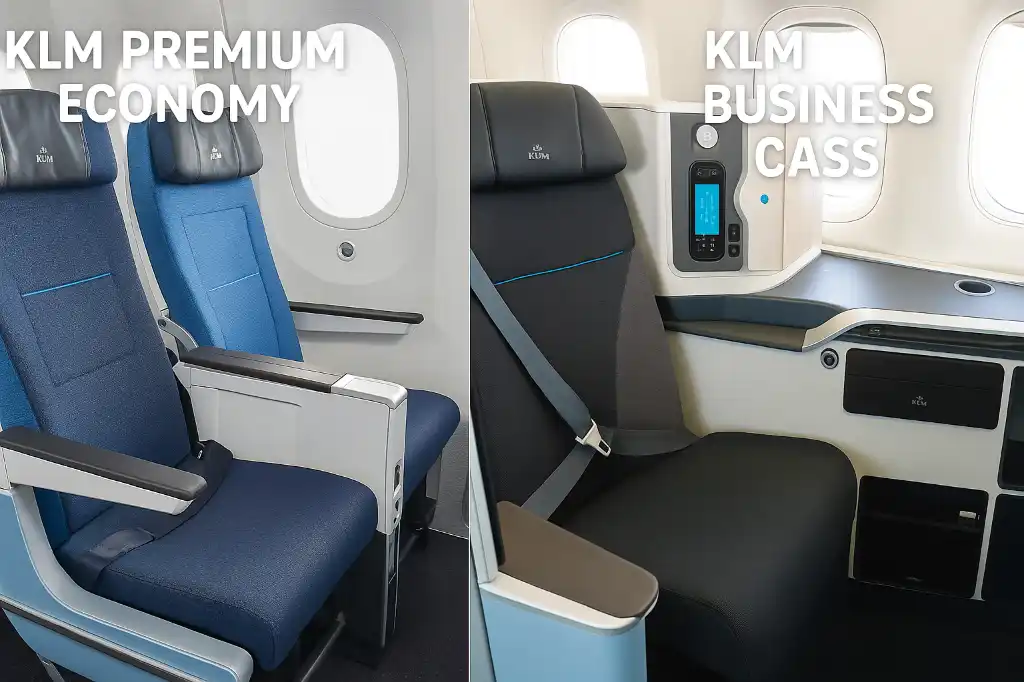
Business vs. Premium Economy for Sleep
| Feature | Premium Economy | Business Class |
|---|---|---|
| Seat Type | Recliner | Lie-flat Pod |
| Seat Pitch | 37–40 inches | 70–78 inches |
| Recline | Partial | Full |
| Cabin Size | 21–28 seats | 30–50 seats |
| Sleep Quality | Moderate | Excellent |
Many seasoned travelers adopt a hybrid approach: booking business class for the outbound red-eye to ensure rest upon arrival, then flying premium economy on the daytime return, where a lie-flat bed isn’t as necessary.
Cost and Points: Where Does Premium Economy Shine?
When booking with points, business class saver awards to Europe often range between 50,000–60,000 miles one-way, but availability is scarce. Premium economy awards, in contrast, are more accessible and typically cost 35,000–40,000 miles each way.
According to frequent flyers, a fair redemption for premium economy is around 40,000 points per one-way ticket. For cash bookings, premium economy often costs 1.5x to 2x the price of economy, which is still significantly cheaper than business (often 3x–5x the cost of economy).
Average One-Way Award Costs (U.S.–Europe)
| Class | Typical Points Range | Availability Level |
|---|---|---|
| Economy | 20,000–30,000 | High |
| Premium Economy | 35,000–40,000 | Moderate |
| Business | 50,000–60,000 | Low |
For travelers with limited points or unwilling to pay for full business class, premium economy is an excellent compromise—especially if it allows saving miles for future trips or upgrading only one leg of the journey.
Airline-Specific Premium Economy Products
Not all premium economy cabins are equal. Some carriers invest heavily in creating a mini-business class experience, while others offer a marginal upgrade from economy.
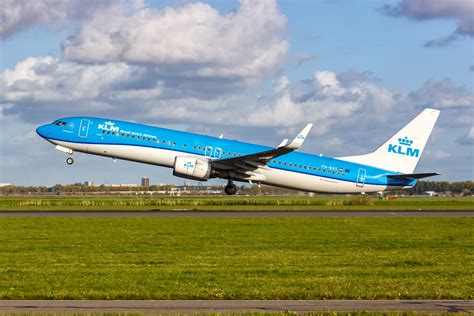
- KLM Premium Comfort: Spacious recliner seats, separate cabin of 21–28 seats, and enhanced dining make it one of the most competitive PE products.
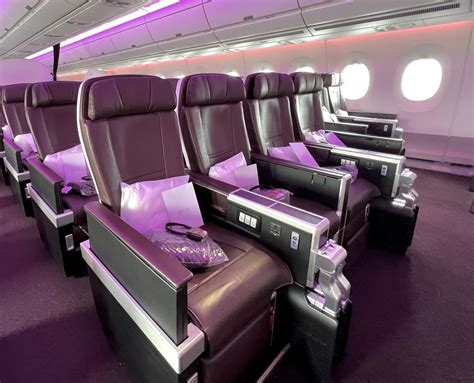
- Virgin Atlantic Premium: Known for service and comfort, with priority check-in, welcome drinks, and stylish cabin design.
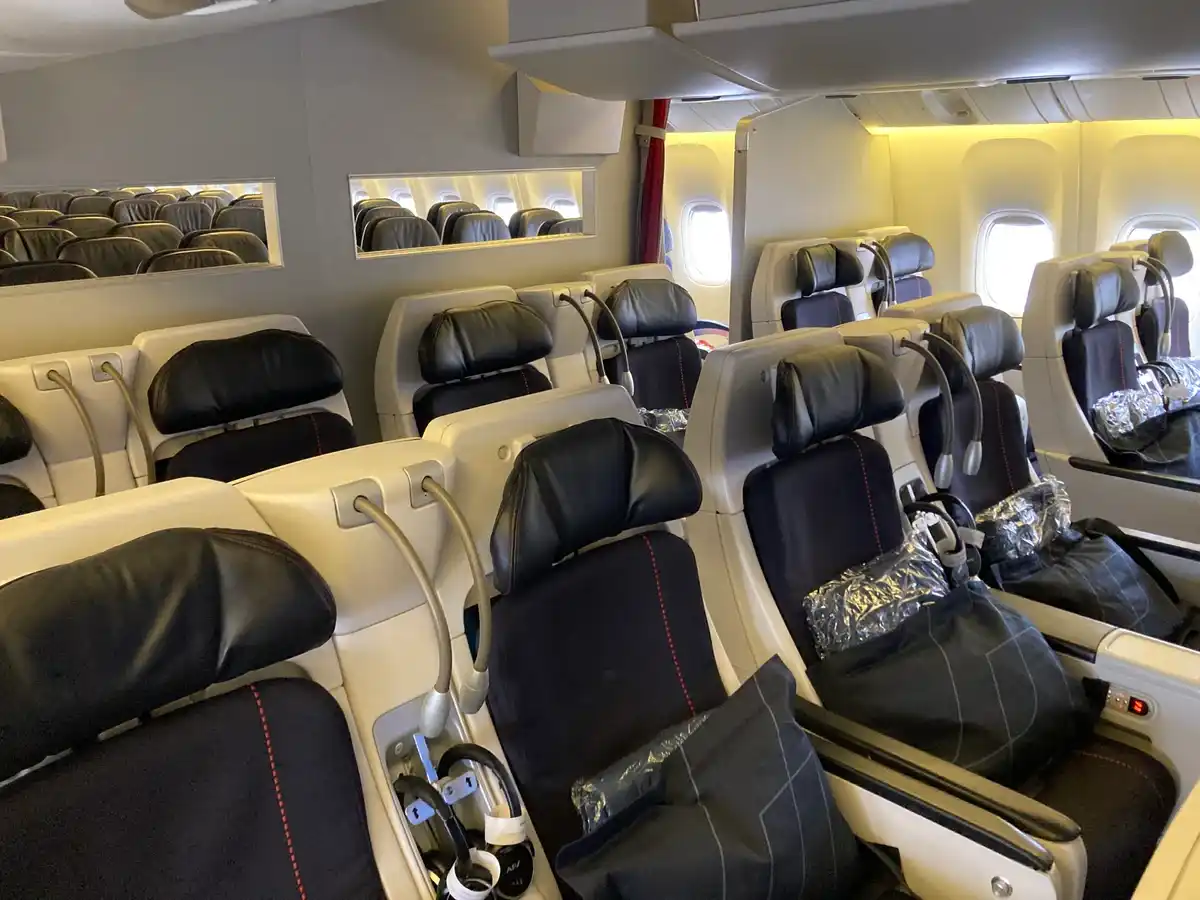
- Air France: Quality varies; older non-retrofitted Boeing 777s have hard shell seats with poor recline, while newer aircraft offer improved comfort.
- Air New Zealand (historically): Highly praised for service and ergonomics, though no longer available on LAX–LHR routes.
Choosing the right airline is crucial—for instance, KLM stands out as a preferred option for travelers connecting to cities like Rome via Amsterdam, while Virgin Atlantic offers a premium feel even without a bed.
Direct vs. Connecting Routes
For U.S.–Europe travel, direct flights maximize rest and reduce travel fatigue. Many travelers recommend prioritizing a non-stop economy flight over a multi-stop premium economy option if the connections add significant time.
However, connections through hubs like Amsterdam (AMS), Paris (CDG), or London (LHR) are often necessary for those flying from smaller U.S. cities like Knoxville or Houston, and premium economy can make these longer journeys more tolerable.
Who Benefits Most from Premium Economy?
Premium economy is an excellent compromise for:
- First-time long-haul travelers seeking extra comfort without overspending.
- Young couples valuing side-by-side seating over separated business pods.
- Budget-conscious travelers trying to stretch points for multiple trips.
- Travelers on daytime return flights who don’t need lie-flat beds.
However, for sleep-dependent travelers or those on tight business schedules, business class remains the better choice for red-eye flights.
How to Maximize Value
- Use award search tools like Roame, Thrifty Traveler, or paid subscriptions to track saver business and premium economy fares.
- Monitor Flying Blue promo rewards for Air France and KLM, which often reduce premium economy redemption rates.
- Mix cabins strategically: Business outbound + premium economy inbound optimizes rest and cost.
- Book early: Premium economy cabins are smaller, making seats sell out faster than economy.
Conclusion
Is premium economy to Europe a good compromise? For most travelers—especially those who have never experienced business class—the answer is yes. It provides substantial comfort improvements over economy at a fraction of the points or cash required for business class. While it lacks lie-flat seating, its value lies in better rest, improved dining, and a more exclusive cabin experience.
For red-eye flights, consider pairing business class outbound with premium economy on the return. For budget-conscious travelers, premium economy is the sweet spot between cost and comfort, particularly on airlines like KLM and Virgin Atlantic that offer competitive products.
FAQ
Is premium economy worth it for overnight flights to Europe?
It depends on your sleep habits. If you can rest in a recliner, premium economy offers a great balance between cost and comfort. For those needing a bed to sleep well, business class is worth the investment for overnight transatlantic flights.
How many points should I expect to spend for premium economy to Europe?
A good redemption rate is around 35,000–40,000 miles one-way, though promo fares from programs like Flying Blue can lower this. Business class typically costs 50,000–60,000 miles, making premium economy a valuable alternative when saver business awards aren’t available.
Which airlines offer the best premium economy to Europe?
KLM and Virgin Atlantic consistently rank among the best for premium economy due to their comfortable seating, attentive service, and smaller cabin layouts. Air France can be a good option on retrofitted aircraft but is less impressive on older planes.