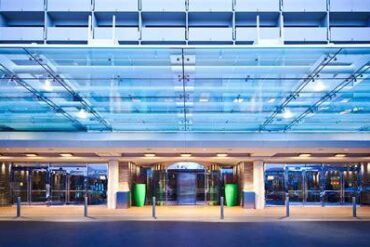
Stepping off the tram at Concourse E and rounding the corner to Spine Road, travelers with Platinum and Centurion cards anticipate entering a sanctuary of comfort and refinement. The Amex Centurion Lounge in Atlanta, located at 12700 Spine Road, aims to deliver a premium airport experience, promising American bar–style flair, gourmet offerings, and all-day access from 6:00 AM to 11:00 PM. With a moderate price tier ($$–$$$) and a 2.5/5 rating based on 60 reviews, this lounge’s fascinating dichotomy lies in its lavish design contrasted against a chorus of service and quality criticisms.
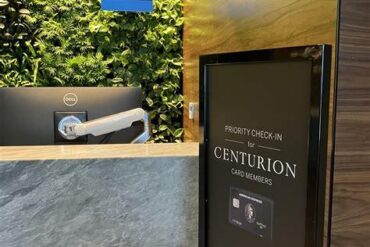
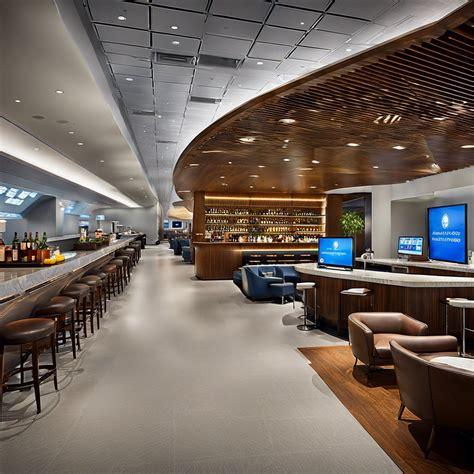
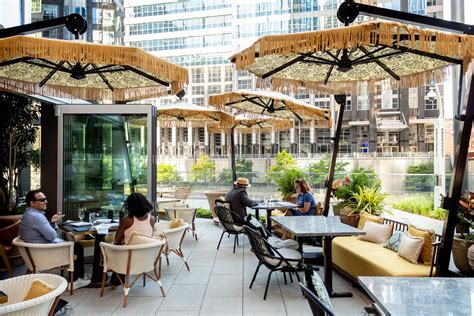
Since opening its doors, the lounge’s spacious interiors, live greenery, and striking outdoor terrace have drawn praise from guests seeking respite between flights. Under the stunning high ceilings, polished wood accents, and curated art installations, one expects an atmosphere worthy of the Amex brand. Yet as travelers step past the check‑in desk, myriad reports unveil a pattern of long waits, excessive ID checks, and staff who appear unsure of how to uphold the elevated promise that comes with the Centurion badge.
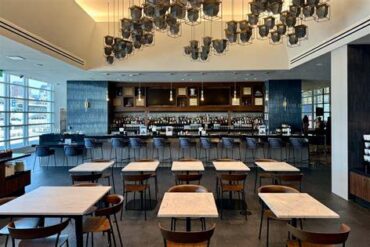
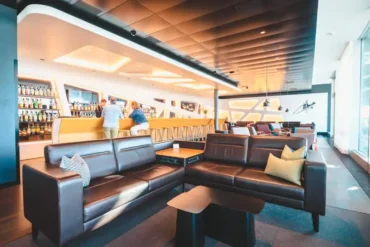
At first glance, the lounge boasts an impressive footprint: multiple seating zones, an expansive bar, and dedicated areas for dining, work, and light relaxation. A closer look, however, reveals a narrative of inconsistent execution—from understocked buffets and repetitive menus to cleanliness lapses that undermine the facility’s polished veneer.
Overview of Hours, Location, and At-a-Glance Rating
The Centurion Lounge operates daily from 6:00 AM to 11:00 PM, aligning with both early-bird and late-evening flight schedules. Located on Concourse E, it is slightly removed from the main terminals, requiring an additional shuttle or tram ride. While this secluded position promises tranquility, it also introduces a minor logistical hurdle for travelers racing between gates. With a 2.5-star average, opinions split nearly evenly between appreciation for the aesthetic design and frustration over service shortfalls.
Check‑In Experience: First Impressions Matter
Multiple guests report a tardy and perplexed check‑in protocol. A July visit by a couple revealed a front-desk associate who seemed unfamiliar with the process, delaying entry and inquiring about travelers’ needs despite holding their credit cards. Such interactions have the unintended effect of eroding trust and diminishing the exclusive aura Amex strives to cultivate. Frequent ID verifications—sometimes only directed at select patrons—further exacerbate wait times, driving frustrated customers to seek solace in competitor lounges.
The sentiment is echoed in solo traveler feedback: curt greetings, curtained-off counters, and an atmosphere teetering on hostility. Even seasoned Platinum cardholders describe feeling as though they are inconveniencing staff simply by presenting their credentials. As the first point of contact, the check‑in team plays a pivotal role in setting the tone—and in Atlanta, that tone often registers as indifference rather than hospitality.
Service Quality: Staff Attentiveness Under Scrutiny
Once inside, service inconsistencies persist. Many reviewers cite long beverage lines, with bartenders requiring patrons to queue again for each drink. One guest, carded at age 62 for a simple pour of Pinot Grigio, described the ordeal as a “vibe killer” that led them straight to the Delta Lounge next door. Another solo traveler lamented seeing employees idle near the restrooms, phones in hand, while unattended toilets ran empty and trash overflowed—all signs of misaligned priorities and inadequate staff training.
Conversely, occasional reports praise the cleaning crews, noting that high-traffic areas and food stations remain well-monitored. Yet these positive tokens are overshadowed by moments of bar staff unprofessionalism, such as workers engaging in personal conversations behind the bar, further detracting from the lounge’s premium claim.
Culinary Offerings: From Gourmet Ambitions to Repetitive Realities
Culinary expectations run high in Centurion Lounges worldwide, but Atlanta’s iteration consistently draws criticism for menu fatigue and execution flaws. Early-morning avocado toast bars sound inventive until patrons discover bread so tough it defies even metal knives. Pimento cheese grits—an homage to Southern cuisine—emerged as flavorless, while scrambled eggs, potatoes, and breakfast meats arrived late to the buffet, leaving travelers hungry and inconvenienced.
Seasonal rotations that thrive in other American Express–managed lounges are notably absent here. Instead, guests describe an endless loop of underwhelming hot dishes and stale buffet stations. Mystery meat incidents, greasy presentations, and unsteady restocking further tarnish the culinary reputation. One family group reported the baffling removal of a protein item after diners labeled it inedible, while another flagged a wet‑mop odor that overpowered any appetite.
Beverage Program: Whiskey Bars vs. Wine Service Woes
The bar setup shines brightest when it focuses on premium liquors. Visitors consistently commend the whiskey selection, with spirits ranging from single-malts to small-batch bourbons. The dedicated whiskey bar often emerges as the lounge’s singular triumph, staffed by knowledgeable pourers. However, wine and cocktail service tell a different story. Patrons recount minimal staff enthusiasm for detailing offerings; when asked about varietals, bartenders often resorted to blunt labels like “Pinot Grigio” or “Chardonnay,” without elaboration.
Demand for to‑go coffee cups goes unmet, despite morning crowds forming persistent lines. These omissions underscore a lack of customer-centric amenities that could elevate the morning rush from chaotic to curated.
Environment and Amenities: Design Flaw or Operational Hiccup?
The Atlanta Centurion Lounge offers an enviable footprint: indoor and outdoor zones, live trees, and art installations that invoke a serene retreat. Yet travelers quickly note that the lounge’s promise of relaxation falls short in practice. Several reviews highlight the absence of dedicated nap pods or reclining chairs—even during red-eye layovers, passengers find only upright computer desks to attempt rest.
Cleanliness has an uneven track record. While cleaning crews rotate through seating areas and food stations, bathroom reports paint a bleaker picture: empty soap dispensers, paper towels strewn on the floor, and lingering odors. This inconsistency raises questions about operational oversight versus design ambition. After all, a lounge’s physical layout means little if daily maintenance and upkeep neglect critical touchpoints.
Comparative Analysis: Delta Sky Clubs vs. Centurion Lounge
A recurring theme in guest narratives is the design of Atlanta’s Delta Sky Clubs—albeit less polished, they are perceived as more dependable. Delta lounges win on food variety, with vegetarian and gluten-free options rotating frequently, and on coffee quality, thanks to self-serve espresso machines that deliver consistent results. Delta’s proximity to Concourses T, A, and B further boosts convenience, reducing transit times and minimizing stress for connecting passengers.
Where Centurion exudes exclusivity through décor, Delta leverages reliability, ensuring that restrooms are spotless, buffets are replenished promptly, and staff remain engaged. Frequent travelers draw strategic tradeoffs: they tolerate Delta’s dated aesthetic in exchange for prompt service and robust food programs, while Centurion’s aesthetic appeal rings hollow when guest needs go unmet.
Guest Recommendations: Maximizing Your Centurion Access
Despite its flaws, the Atlanta Centurion Lounge can still serve a purpose for savvy travelers. Early arrivals can bypass peak-hour lines by showing up at or before the 6:00 AM opening. Those seeking a quieter experience may target mid‑afternoon windows, when business travelers have dispersed. Guests with culinary priorities should plan for off-peak dining times, reducing competition for limited hot dishes and avoiding buffet lulls.
For cocktail enthusiasts, the whiskey bar remains a must-visit. Patrons can request flights or guided tastings, turning a mediocre lounge experience into a highlight. Additionally, outdoor terrace access—though occasionally under construction—offers fresh air and a change of scenery from the airport’s sterile terminals.
Conclusion: The Promise and Peril of Centurion Lounges
The Amex Centurion Lounge in Atlanta stands at a crossroads between ambition and execution. Its expansive design, outdoor seating, and whiskey program align with the brand’s hallmark of refined travel. Yet the repetition of service lapses, inconsistent cleanliness, and culinary underperformance have solidified its reputation as an underdelivering oasis. Frequent flyers often opt for the reliable comforts of Delta Sky Clubs, highlighting that true premium experiences hinge not only on visual appeal but on attentive service, varied food offerings, and meticulous upkeep.
In the end, the Atlanta Centurion Lounge serves as a case study in how even the most luxurious settings can falter when operational details are overlooked. For American Express, the path forward demands a renewed focus on staff training, menu innovation, and facility maintenance. Only then can this lounge ascend to the standards its opulent façade so confidently projects.