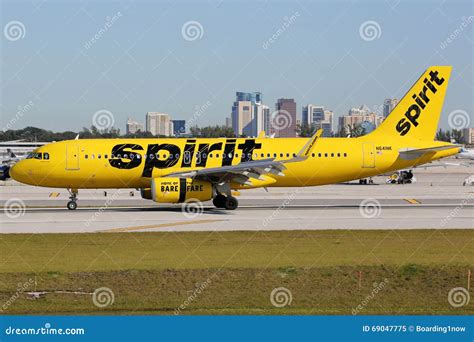
The sudden collapse of Spirit Airlines, once America’s largest ultra-low-cost carrier, triggered one of the most complex aircraft redistribution efforts seen in recent aviation history. Almost overnight, 91 Airbus jets were left scattered across 26 airports, transforming routine operations into a high-stakes logistical exercise involving lessors, contract pilots, and specialized ferry crews.
What followed was not chaos, but a carefully orchestrated migration of aircraft—quiet, precise, and largely invisible to the traveling public. These were not commercial flights filled with passengers, but ferry flights, designed solely to reposition aircraft for storage, resale, or future deployment.
The Moment Operations Stopped: A Fleet Frozen in Place
When Spirit ceased operations, its network effectively froze. Aircraft that had been mid-rotation across major hubs and secondary cities suddenly became stationary assets. The airline’s strongest bases—Fort Lauderdale-Hollywood International Airport (FLL) and Orlando International Airport (MCO)—held the largest concentrations, with 17 and 15 aircraft respectively.
This clustering reflected Spirit’s route strategy, heavily focused on leisure-heavy Florida markets. Yet beyond these hubs, aircraft were stranded in cities like Dallas/Fort Worth, Newark, Las Vegas, and Detroit, forming a fragmented national footprint that demanded rapid coordination.
By the time operations halted, Spirit had already been scaling back. Nearly 40 aircraft were preemptively parked, many in Arizona, signaling that the airline’s leadership had been preparing for a worst-case scenario.
Why Ferry Flights Matter in Airline Shutdowns
Ferry flights are a specialized segment of aviation that rarely attracts attention unless something goes wrong—or, in this case, when an entire airline disappears. These flights operate without passengers, often under unique regulatory conditions, and serve a single purpose: move aircraft from point A to point B safely and efficiently.
In Spirit’s case, ferry flights became essential for three reasons:
- Lease Recovery: Most of Spirit’s fleet was leased, requiring aircraft to be returned to lessors.
- Asset Preservation: Idle aircraft deteriorate quickly in humid environments.
- Future Placement: Aircraft needed repositioning for resale or reassignment to other airlines.
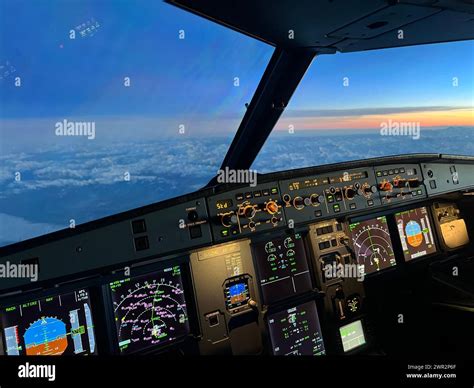
Unlike commercial operations, ferry flights can be flown with minimal crew, reduced onboard equipment, and flexible routing. This efficiency makes them ideal for large-scale repositioning efforts like the one unfolding across Spirit’s network.
Who Is Flying These Aircraft Now?
With Spirit no longer operational, the responsibility for moving these aircraft shifted primarily to lessors and contracted aviation service providers. These organizations specialize in aircraft transitions, employing experienced ferry pilots who are often type-rated across multiple Airbus variants.
These crews are not typical airline pilots. Many are veterans of aircraft delivery flights, repossessions, and storage transfers. Their work demands precision, adaptability, and familiarity with aircraft that may not have flown recently.
In some cases, third-party operators step in, handling everything from maintenance checks to flight planning. Each aircraft must be verified as airworthy before departure, even for a one-way journey to storage.
Arizona: The Final Destination for Dozens of Jets
The majority of Spirit’s aircraft are now heading to Arizona’s desert storage facilities, particularly Phoenix Goodyear Airport (GYR) and Pinal Airpark (MZJ). These locations are globally recognized for long-term aircraft storage, offering ideal conditions that dramatically slow corrosion.
The desert climate—characterized by low humidity, minimal rainfall, and stable temperatures—acts as a natural preservative. Aircraft stored here can remain in viable condition for years, awaiting reactivation or part-out processes.
Companies like AerSale play a central role, maintaining aircraft systems, protecting sensitive components, and ensuring that each jet remains a usable asset rather than a depreciating liability.

The Numbers Behind the Redistribution
The scale of the operation becomes clearer when examining how aircraft were distributed at the time of shutdown. Beyond the Florida hubs, several airports held significant numbers of stranded jets:
- Dallas/Fort Worth (DFW) and Newark (EWR): 7 aircraft each
- Las Vegas (LAS): 6 aircraft
- Detroit (DTW): 5 aircraft
- Miami (MIA) and Chicago O’Hare (ORD): 4 aircraft each
Additional aircraft were scattered across more than a dozen other airports, including Atlanta, Boston, Los Angeles, and San Juan. Each location presented unique logistical challenges, from airport congestion to maintenance readiness.
Coordinating departures from 26 different airports required synchronized planning between airport authorities, ground crews, and ferry operators. Slots had to be secured, maintenance checks completed, and documentation verified—all without the infrastructure of an active airline.
Leased vs Owned Aircraft: Different Fates Await
A crucial distinction in Spirit’s fleet lies between leased aircraft and those owned outright, particularly the Airbus A321-200 models. Leased aircraft will likely re-enter the global market, potentially joining other low-cost carriers or expanding fleets in emerging markets.
Owned aircraft, however, face a less predictable future. Industry speculation suggests some may be dismantled for parts, especially if market demand does not justify full reactivation. Engines, avionics, and structural components often hold more value individually than as part of an aging airframe.
This dual pathway highlights the financial realities of aviation: aircraft are not just vehicles, but highly liquid assets in a global marketplace.
From Crisis to Opportunity in the Aviation Market
While Spirit’s collapse marks the end of a significant chapter in low-cost travel, it simultaneously introduces opportunity. Airlines seeking rapid expansion can acquire relatively modern Airbus aircraft without the long lead times associated with new orders.
The redistribution of Spirit’s fleet could influence lease rates, aircraft availability, and even route competition in the months ahead. For lessors, the priority is speed—placing these aircraft back into service before their value declines.
Meanwhile, the ferry flights continue quietly in the background, each one a small but critical step in reshaping the post-Spirit aviation landscape.
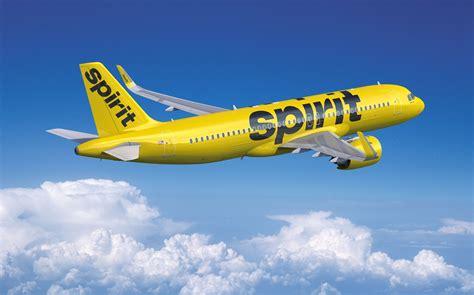
In the end, the image of bright yellow jets lifting off empty, bound for the Arizona desert, captures the transition perfectly. What once carried millions of passengers now moves silently between chapters—paused, preserved, and waiting for whatever comes next.