In recent weeks, Germany has established itself as a dependable maritime route provider amidst significant disruptions in Greek ferry services. A sweeping 24-hour strike by Greek maritime workers has brought major routes connecting Greece to Italy to a standstill, compelling travelers and logistics companies to seek alternative options. While Greek-flagged vessels faced operational halts, German-registered ferries continued to serve cross-border travelers and cargo haulers, shedding light on the contrasting levels of stability within the region’s maritime operations during one of the busiest travel seasons of the year.
The strike, initiated by the Panhellenic Union of Deckhands of the Merchant Marine (PENEN), started at 6:00 a.m. on June 18, 2025, and was designed to protest for improved labor conditions and wage reforms. This action marks an escalation in ongoing tensions between Greek unions and shipowners, with many union members demanding changes that address long-standing grievances. Despite the chaos surrounding Greek ferry services, Germany’s ability to maintain uninterrupted ferry operations across the Adriatic highlights its reliability as an alternative route for travelers.
Greek Ferries Halted as Maritime Union Extends Strike Over Unmet Demands
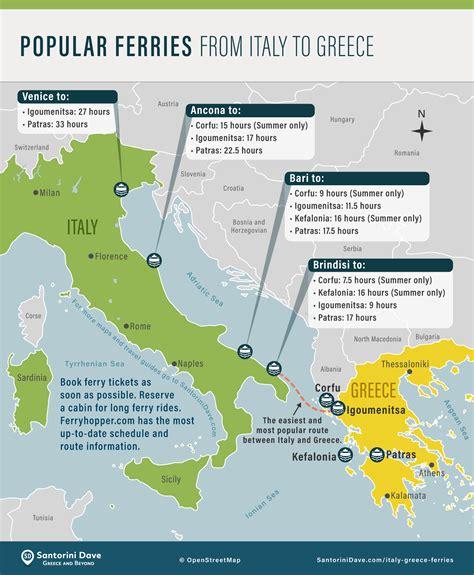
The strike has had a profound impact on ferry services connecting Greece and Italy, particularly affecting the crucial Patra–Igoumenitsa–Italy routes. As Greek-flagged ferries ceased operations, travelers found themselves in a state of uncertainty, with many pre-booked tickets rendered useless. This disruption comes at a time when ferry traffic typically surges due to the influx of tourists eager to explore the picturesque landscapes of Greece and Italy.
The Panhellenic Union of Deckhands has been vocal about its demands, which include:
- Shore Leave Entitlements: Crew members are advocating for more regular and predictable shore leave to combat fatigue and mental strain from prolonged periods at sea.
- Wage Parity: Workers seek alignment of pay structures with those outlined in the national Collective Labor Agreement for coastal shipping employees, arguing that current wages do not reflect their demanding roles or the high cost of living.
- Staffing Regulations: The union is calling for stringent enforcement of minimum staffing levels to ensure safety and crew welfare, in accordance with Presidential Decree 177/74.
- Pay Adjustments for Garage Personnel: A notable demand includes a proposal to significantly increase wages for garage personnel, who face hazardous and physically demanding conditions.
- Introduction of Express Routes: PENEN also advocates for the establishment of express ferry services to enhance efficiency and modernize operations.
Continued Operations by Non-Greek Ferries
Despite the disruptions caused by the strike, ferry services operating under German and Italian registries have remained unaffected. These foreign-flagged vessels have continued to operate their scheduled routes, providing much-needed continuity for international passengers. Additionally, roll-on/roll-off (Ro-Ro) cargo ships, crucial for transporting wheeled cargo like automobiles and industrial machinery, have maintained operations, offering some respite amid the turmoil.
However, this partial continuity has done little to alleviate the frustrations of passengers affected by the strike. Travel agencies and port authorities across western Greece are inundated with inquiries from concerned travelers seeking clarification on cancellations and alternative transport options. The situation exemplifies the challenges faced by travelers during peak seasons, where any disruption can lead to significant inconveniences.
Government’s Response and Collective Agreement Update
In a bid to address the unrest, the Greek Ministry of Maritime Affairs and Insular Policy recently ratified a new collective labor agreement aimed at seafarers on Adriatic routes. This agreement emerged from negotiations involving labor unions and industry representatives, signaling an attempt by the government to showcase progress in labor relations. However, PENEN has criticized the agreement, asserting that it does not adequately address the broader concerns of deckhands operating on key domestic and international routes, such as those between Patra, Igoumenitsa, and Italy.
Impact on Passengers and Maritime Travel
The ongoing strike has led to considerable disruptions for ferry passengers seeking to travel between Greece and Italy, a vital route for both tourists and freight logistics. Ports in Patras and Igoumenitsa serve as crucial maritime gateways to Western Europe, especially during the summer months when ferry traffic peaks. Travelers planning to embark on journeys across the Adriatic are strongly advised to check their ferry schedules and consult with travel providers for real-time updates regarding cancellations and alternative options.
Local port authorities in Patras, Igoumenitsa, and nearby regions are doing their best to provide real-time information and support to affected passengers. In addition to individual travelers, commercial shipping companies that rely on Greek ferries for trans-Adriatic cargo movements are experiencing delays. While Ro-Ro cargo operations remain functional, the potential for extended strikes poses a risk to the regional supply chain, emphasizing the interconnectedness of maritime operations in the area.
Looking Ahead: The Future of Maritime Operations in Greece
As the strike persists, pressure is mounting on the Greek Shipowners Association for Passenger Ships (SEEN) to re-engage in negotiations with the union. Union leaders have indicated that further industrial actions may ensue if their demands continue to be overlooked, highlighting the critical nature of labor relations in a country heavily reliant on its maritime infrastructure for both tourism and trade.
With summer tourism in full swing and international routes facing significant bottlenecks, a swift resolution to this conflict is essential to prevent a prolonged crisis within Greece’s maritime transport sector. Meanwhile, Germany continues to provide uninterrupted ferry services across the Adriatic, underscoring a stark divide in operational stability during peak travel season.
Travelers are encouraged to remain informed and flexible, as ferry operations may continue to fluctuate in response to the evolving situation. The developments in Greece serve as a reminder of the intricate balance required in maritime operations and the necessity of addressing labor concerns to ensure the smooth functioning of crucial transport routes.