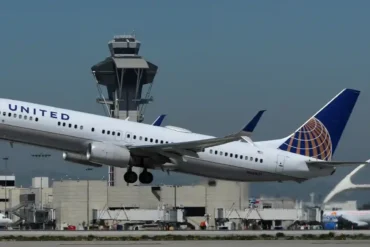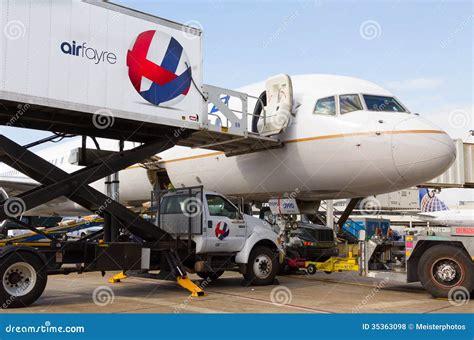
United Airlines is currently grappling with severe catering service disruptions at San Francisco International Airport (SFO), following a turbulent transition from its former catering provider, Gate Gourmet, to the global catering firm LSG Sky Chefs. This change, which officially commenced last Wednesday, has ignited a wave of complaints from passengers, disrupted operational efficiency, and raised critical concerns about the airline’s management decisions and supplier strategy.
Catering Collapse at SFO: A Transition Gone Awry
In what is being described internally and publicly as a “complete collapse” of in-flight catering operations, United Airlines has found itself in crisis mode. The shift to LSG Sky Chefs was intended to be a seamless evolution of service, but instead, it has resulted in flights departing without meals, drinks, ice, or sufficient galley cleaning, leaving both passengers and crew in disarray.
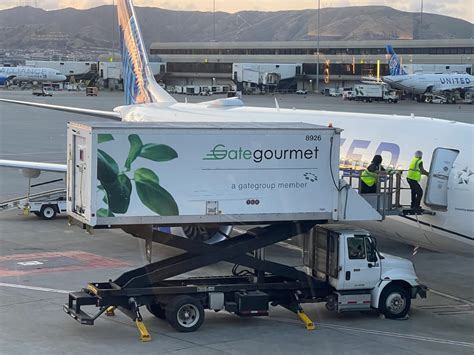
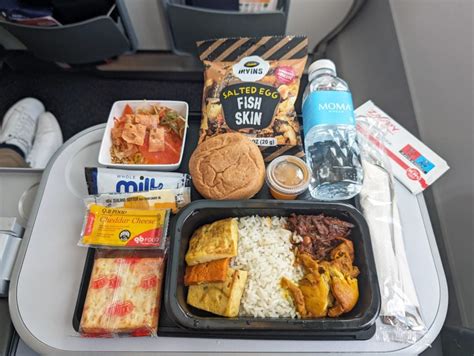
Travelers departing from SFO reported a stark reduction in available food and beverage options. One first-class passenger on a flight to Chicago noted that instead of the expected hot meals, customers received prepackaged snack boxes and a limited drink selection. On a long-haul flight to Sydney, the cabin crew had to apologize to passengers mid-flight for the lack of coffee in the main cabin—an unforgivable lapse on a 15-hour journey landing early in the morning.
Behind the Switch: Strategic or Short-Sighted?
The decision to replace Gate Gourmet with LSG Sky Chefs raises pressing questions. While official reasons have not been publicly detailed, industry analysts suspect that cost-cutting measures and vendor disputes may be driving the change. United has cycled through four different caterers in just four years at SFO, signaling a volatile relationship with suppliers and potentially shortsighted procurement strategies.
Gate Gourmet’s exit was accompanied by the layoff of 835 employees, marking one of the largest job cuts in California this year. Though LSG Sky Chefs reportedly intended to rehire most of these workers, retraining them has proven time-consuming and logistically difficult, further compounding the service disruptions.
Operational Impact: Delays, Dirty Galleys, and Frustration at 35,000 Feet
The fallout from the botched transition extends beyond meal service. Reports have surfaced of flights being delayed due to uncleaned galleys, with catering staff failing to remove trash from previous flights. Flight attendants have been left without necessary resources, forced to apologize to passengers or improvise service with the limited stock on board.
The Association of Flight Attendants (AFA) issued an internal memo acknowledging the scale of the disruption. The union warned that catering deficiencies could persist for “several weeks” and urged crew members to stay vigilant in checking for missing components. It emphasized ongoing dialogue with Inflight management in a bid to restore some measure of order.
The Customer Experience Backlash
Passengers have taken to social media platforms and forums like Reddit to voice their dissatisfaction. The overarching sentiment is one of betrayal and disappointment, particularly among United’s loyal MileagePlus members. Comments ranged from humor-laced resignation to outright fury:
- “Flew United from SFO today. No food. Minimal snacks. Cup of ginger ale but couldn’t leave the can. No beer except Michelob.”
- “A 15-hour flight to Sydney and no coffee? That’s how you create enemies real quick.”
- “They should have known this beforehand and found alternative means. Inexcusable.”
Many passengers shared similar horror stories, including empty beverage carts, missing snack options, and even dessert mousse so poorly made it crumbled midair, highlighting the sharp degradation in quality.
Staff Strained, Morale Shaken
The impact has not spared airline personnel. From cabin crew to ground service operators, employees are bearing the brunt of passenger frustration. Reports indicate heightened stress levels among flight attendants who must now manage heightened customer expectations with fewer tools and diminished support.
The lack of resources also risks a ripple effect on safety and compliance. When crews are forced to scramble for basic necessities, there’s a potential for lapses in standard operating procedures. Empty galleys and delayed trash removal also introduce hygiene concerns, further complicating the airline’s public image.
Supply Chain Setbacks and Labor Complications
Integrating a new caterer at a hub as vital as SFO is an immense undertaking. While United insists it is “working to ease this transition,” the realities of logistics bottlenecks, labor mismatches, and onboarding inefficiencies paint a much grimmer picture. It is clear that LSG Sky Chefs has struggled to match Gate Gourmet’s scale and speed, even with the intention of rehiring displaced workers.
The labor situation adds complexity. Rehired employees have reportedly been offered lower wages, which, coupled with a compressed timeline for onboarding, has stymied motivation and operational readiness. Without adequate compensation and training, even seasoned professionals may fall short of the standards required to service United’s demanding flight schedule.
A Reputation in Free Fall?
This catering crisis hits United at a precarious time. The airline has already faced criticism in recent years for its lackluster in-flight experience and inconsistent customer service. In an era when competitors are raising their game with innovative menu offerings and premium experiences, United’s inability to provide basic food and beverage service on long-haul and transcontinental routes may prove reputationally damaging.
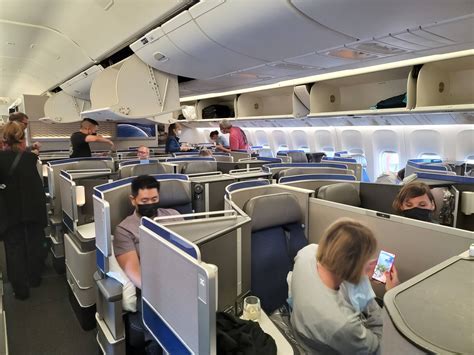
Passengers now face reduced service levels without reduced ticket prices, a discrepancy that is unlikely to be forgiven easily. Frequent flyers, particularly those with elite status, expect consistency and quality—and this failure could prompt defections to rival carriers.
Corporate Culture Under the Microscope
Internally, this episode may also reflect deeper flaws within United’s corporate decision-making processes. Industry insiders and employees have been quick to criticize the airline’s penchant for rapid vendor turnover, often seen as a cost-cutting measure driven by management strategies rather than service excellence. These decisions, though financially motivated, can erode institutional memory and continuity, vital elements for high-functioning operations.
Calls are growing louder for accountability. Passengers have demanded compensation in the form of travel credits or MileagePlus points, while employees privately call for leadership changes and more sustainable vendor relationships.
Looking Ahead: What Needs to Change
If United hopes to recover from this debacle and restore confidence, several actions are necessary:
- Stabilize operations at SFO by fast-tracking LSG onboarding and increasing staffing where needed.
- Improve communication with both passengers and flight crews about catering expectations.
- Compensate affected travelers appropriately, particularly those on long-haul and premium routes.
- Re-evaluate vendor procurement strategy, favoring long-term partnerships over short-term cost savings.
- Invest in internal oversight to prevent similar logistical failures in future transitions.
United Airlines’ brand promises a global standard of service, but the current reality at SFO reveals cracks in that commitment. Until these issues are resolved comprehensively, the airline risks undermining its credibility in the eyes of the flying public and further alienating both passengers and staff.
Conclusion: An Avoidable Turbulence
The disruption to United Airlines’ catering service at SFO was not simply an unfortunate hiccup—it was the foreseeable consequence of hasty decision-making, insufficient transition planning, and misaligned priorities. Passengers expect more than just a seat; they expect reliability, comfort, and a level of care commensurate with the cost and duration of their journey.
For an airline that often touts its global leadership and innovation, failing to serve coffee on a transpacific flight represents more than just a missing beverage—it signals a disconnect between promises and practice. The road to recovery will require more than operational tweaks. It demands a strategic reset, one that places passengers, employees, and operational excellence back at the heart of United’s business.