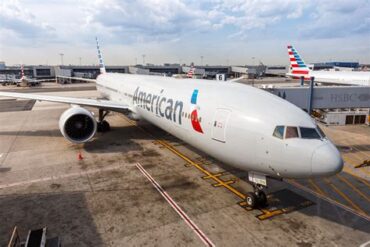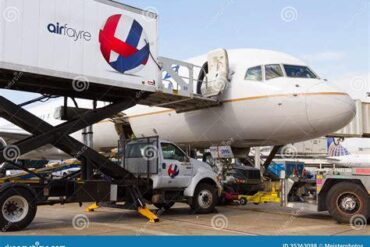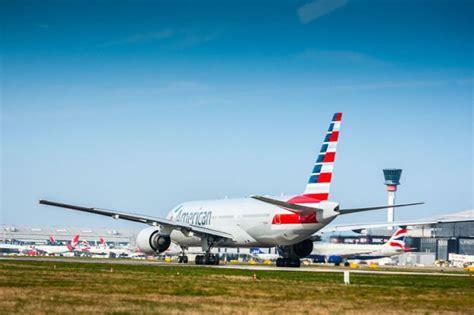
American Airlines is grappling with a significant operational disruption at London Heathrow Airport (LHR), where a reported mice infestation inside catering facilities has triggered a cascading service breakdown across its transatlantic network. What began as quiet complaints about missing menu items has evolved into a full-scale catering suspension, forcing the airline into emergency mitigation measures that have reshaped the onboard experience for passengers flying between the United Kingdom and the United States.
The reported contamination occurred within food preparation and storage areas operated by dnata, a major global airport services provider responsible for catering dozens of airlines at Heathrow. According to widely circulated industry posts, rodents were discovered inside facilities supplying American Airlines flights. Although official confirmation remains limited, the operational response from the airline has been swift and sweeping, signaling the seriousness of the situation.
Rather than risk compromised food safety standards, American Airlines effectively halted its Heathrow-based catering uplift. The decision has placed immense strain on its long-haul operations, particularly given the logistical complexity of transatlantic service rotations.
Heathrow Catering Breakdown Forces Emergency Double-Provisioning Strategy
In response to the crisis, American Airlines implemented a “double-provisioning” strategy. Flights departing from the United States are now stocked with enough food not only for the outbound journey to London but also for the return leg back across the Atlantic. This extraordinary measure eliminates reliance on Heathrow catering entirely.
The operational implications are substantial. Aircraft galleys are not designed to accommodate double inventory without trade-offs. To create space for additional meal trays and ensure safe storage over extended periods, American has reduced menu complexity to the bare minimum. All passengers, including those seated in Flagship First and Business Class, are currently offered just two main options: a single protein dish or a vegetarian alternative.
Perishable and high-risk items such as seafood and ice cream have been removed from service. Pre-ordered specialty meals, typically a hallmark of premium long-haul travel, are unavailable. Even printed menus no longer reliably reflect what is served onboard, as substitutions are made to accommodate the limited, standardized stock loaded in the United States.
Premium Cabin Downgrade Sparks Passenger Frustration
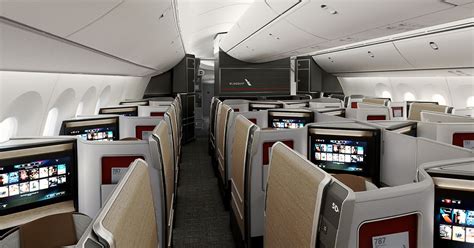
The most visible impact of the catering collapse has been felt in premium cabins. Flagship First and Business Class travelers, who pay substantial fares for curated dining experiences, have encountered pared-down tray services that resemble simplified economy offerings.
The removal of premium amenities has led some aviation analysts to suggest that the situation could qualify as a “de facto downgrade” under United Kingdom passenger rights regulations. If regulators determine that the product delivered materially differs from what was sold, affected travelers may be entitled to compensation of up to 75% of the ticket price for the impacted leg.
While American Airlines has offered goodwill gestures such as bonus miles and travel vouchers, formal compensation requires passengers to proactively file complaints. The airline has directed customers to submit claims through its Customer Relations portal, explicitly noting discrepancies between the purchased Flagship product and the service received onboard.
Operational Strain Ripples Across the Transatlantic Network
The logistical strain extends far beyond catering carts. Loading twice the normal food inventory in the United States adds weight, complicates galley organization, and increases turnaround complexity upon arrival in London. Crews must carefully manage chilled storage to maintain food safety for meals intended for the return sector.
Reports indicate that these additional procedures have contributed to departure delays at Heathrow. The choreography of offloading unused items, safeguarding return-leg provisions, and coordinating ground handling without a functioning local catering partner has amplified pressure on already congested airport operations.
Internal communications suggest that American Airlines is evaluating its supplier relationships at Heathrow. Whether the withdrawal from dnata is temporary or signals a permanent vendor shift remains unclear. However, industry observers note that transitions between catering providers are delicate processes, often requiring months of planning. If a supplier change was already underway, the reported infestation may have accelerated an abrupt break in service continuity.
Regulatory and Reputational Stakes Rise
Food safety issues strike at the core of airline brand trust. A mice infestation inside catering facilities does more than disrupt menus; it raises questions about oversight, hygiene compliance, and quality assurance processes at one of the world’s busiest international hubs.
Heathrow Airport hosts millions of long-haul passengers annually, and dnata’s role as a primary catering partner means the incident has implications beyond a single carrier. Aviation authorities in the United Kingdom maintain strict food safety standards, and any confirmed breach would likely trigger inspections and remediation requirements.
For American Airlines, the reputational stakes are especially high in the competitive transatlantic market. London–US routes are among the most lucrative in global aviation, supported by premium business traffic and high-yield leisure demand. Delivering a diminished onboard product, even temporarily, risks eroding customer loyalty in a segment where expectations are calibrated to precision.
Compensation Pathways and Passenger Strategy
Passengers affected by the catering disruption should document their onboard experience carefully. Photographs of limited tray services, temporary menus, and written crew notices can strengthen formal claims. While standard delay compensation typically applies only when flights are canceled or delayed beyond regulatory thresholds, service downgrades fall into a more nuanced category under UK261 regulations.
Travelers who believe the reduced catering materially altered their purchased experience may pursue reimbursement arguments based on product discrepancy rather than delay alone. Clarity and documentation remain essential.
As American Airlines works to stabilize its Heathrow operations, the episode underscores a fundamental reality of aviation: even seemingly peripheral systems like catering can become critical vulnerabilities. In the intricate ecosystem of global air travel, a disruption in one kitchen can ripple across oceans, reshaping the passenger experience thousands of miles away.