The cost of flying in the United States has climbed sharply over the past year, leaving travelers wondering why airline tickets have become so much more expensive. According to Delta Air Lines CEO Ed Bastian, one of the biggest reasons is an increasingly congested U.S. air traffic control (ATC) system, which limits the number of flights airlines can operate. His argument is straightforward: when airlines cannot add enough capacity, limited supply keeps ticket prices elevated.
However, while ATC congestion undoubtedly affects airline operations, many industry observers believe it explains only part of the recent surge. Rising fuel prices, geopolitical instability, fleet constraints, and strong passenger demand have combined to create an environment where airfare increases exceeding 20% have become increasingly common.
Delta CEO Links Airfare Inflation to Limited Airspace Capacity
Ed Bastian recently argued that airfare pricing ultimately follows the classic economic principle of supply and demand. During an interview discussing the current aviation environment, he explained that airlines would naturally lower fares if they were able to schedule and operate more flights. Instead, congested air traffic control systems at some of America’s busiest airports are restricting capacity, preventing airlines from fully meeting demand.
According to Bastian, the nation’s airspace has effectively become a bottleneck. Airlines may have aircraft, crews, and customers ready to fly, but if air traffic controllers cannot safely accommodate additional departures and arrivals, the overall number of available seats remains constrained. In such an environment, airlines face little pressure to reduce fares because demand continues to exceed available capacity.
He suggested that modernizing and expanding the U.S. air traffic control network would allow airlines to operate more flights, improve traffic flow, and ultimately increase competition that could place downward pressure on ticket prices.
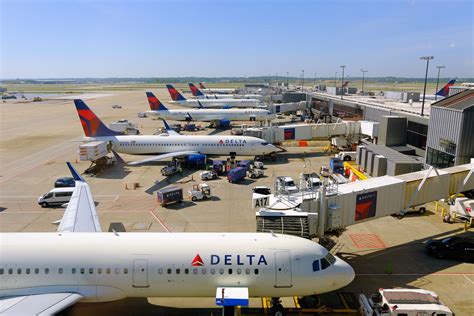
Why Air Traffic Control Matters More Than Many Travelers Realize
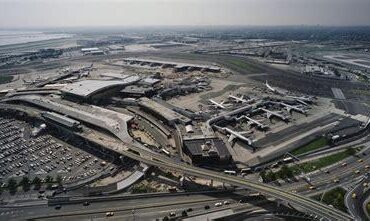
The American air traffic control system has faced mounting challenges for years. Aging infrastructure, staffing shortages, increasing flight volumes, and weather disruptions have all contributed to delays across major hubs.
When airports experience congestion, airlines cannot simply add additional departures whenever demand rises. Every takeoff and landing slot must fit safely within the capacity managed by air traffic controllers. Even modest reductions in hourly airport throughput can ripple across an airline’s entire network, causing delays, cancellations, and scheduling inefficiencies.
For carriers operating extensive hub-and-spoke systems such as Delta, reduced airport capacity limits opportunities to increase frequencies on profitable routes. As a result, available seats remain lower than market demand would otherwise support, reinforcing upward pressure on fares.
Fuel Prices Continue to Exert the Greatest Financial Pressure
Although Bastian highlighted ATC congestion, aviation analysts point to jet fuel as the more immediate driver of higher ticket prices.
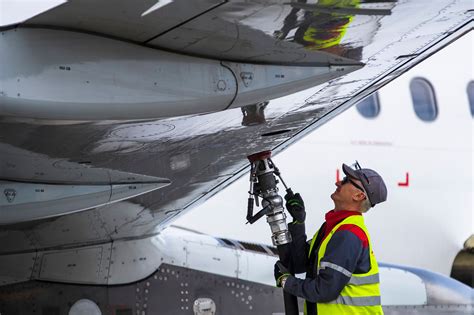
Fuel consistently ranks among an airline’s largest operating expenses. Even relatively small increases in crude oil prices can significantly affect profitability across thousands of daily flights. Following geopolitical tensions in the Middle East and the 2026 Iran crisis, global energy markets experienced renewed volatility, pushing jet fuel costs substantially higher.
Delta itself projected approximately $2 billion in additional fuel expenses, forcing management to carefully balance ticket pricing, operating costs, and profitability. While fuel prices have since shown signs of stabilizing, airlines continue incorporating those elevated costs into airfare structures.
Unlike air traffic control modernization, which requires years of investment and policy reform, fuel price fluctuations can affect airline pricing almost immediately.
Strong Travel Demand Has Given Airlines Greater Pricing Power
Another important factor supporting higher fares is the continued strength of passenger demand.
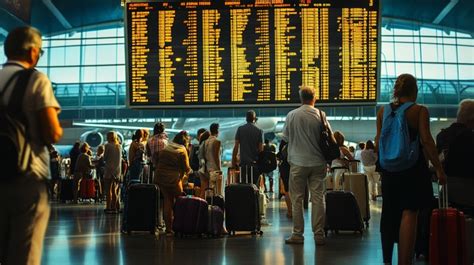
Despite increased ticket prices, travelers have continued booking vacations, business trips, and premium leisure experiences at robust levels. International routes, particularly long-haul destinations, have remained especially resilient, while premium cabins continue generating strong revenue for major network carriers.
When flights consistently depart with high load factors, airlines have little incentive to discount tickets aggressively. Instead, sophisticated revenue management systems continuously adjust fares according to booking trends, remaining seat inventory, travel dates, and expected demand.
This dynamic allows airlines to maintain elevated pricing even before operational constraints such as ATC congestion are considered.
Could Airlines Increase Capacity in Other Ways?
Critics of Bastian’s argument note that airlines possess several tools beyond adding additional flights.
Rather than relying solely on increased frequencies, carriers can deploy larger aircraft on busy routes, replacing smaller regional jets with narrowbody or widebody aircraft capable of carrying significantly more passengers per departure. Such fleet optimization can increase total seat capacity without requiring additional takeoff or landing slots.
However, this strategy is not universally practical. Aircraft availability, fleet composition, maintenance schedules, airport gate limitations, and passenger demand patterns all influence whether larger aircraft can be economically deployed. In many markets, airlines already operate the largest aircraft that demand can consistently support.
Airfare Increases Reflect Multiple Industry Pressures
The recent rise in airfare prices cannot be attributed to a single cause. Air traffic control congestion unquestionably creates operational limitations that restrict capacity growth, particularly at heavily utilized airports. At the same time, soaring fuel costs, geopolitical uncertainty, resilient travel demand, aircraft supply challenges, labor expenses, and network optimization decisions all contribute to today’s pricing environment.
Bastian’s comments have reignited discussion about the urgent need to modernize America’s aging air traffic control infrastructure. A more efficient ATC system would likely improve reliability, reduce delays, and allow airlines to expand service over time. Yet even with significant improvements, airfare levels will continue to depend on broader economic conditions, energy markets, competitive dynamics, and travelers’ willingness to pay. For passengers, the current reality is that higher ticket prices are the product of multiple interconnected forces rather than a single bottleneck in the nation’s skies.