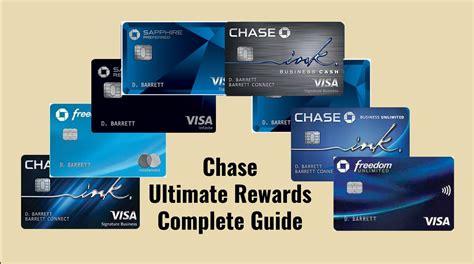
The loyalty landscape shifted again as Chase Ultimate Rewards officially added Wyndham Rewards as a new 1:1 transfer partner. On paper, the move expands flexibility for cardholders who prioritize optionality. In practice, however, the numbers tell a more complicated story about relative value and strategic redemptions.
Chase now becomes the third major transferable currency to align with Wyndham at a one-to-one ratio, joining Capital One and Citi ThankYou. The parity across issuers signals that Wyndham has secured consistent positioning within the transferable points ecosystem. Yet consistency does not automatically translate into competitive redemption economics.
At a 1:1 ratio, every 1,000 Chase points becomes 1,000 Wyndham points. Wyndham’s award chart remains relatively simple, with most properties pricing at 7,500, 15,000, or 30,000 points per night. Simplicity can be elegant. Value, however, depends on cents-per-point yield, and that is where this partnership encounters friction.
Industry observers, including coverage from One Mile at a Time and commentary by Ben Schlappig, estimate Wyndham Rewards points at roughly 0.7 cents each. By contrast, alternatives such as World of Hyatt—also a 1:1 Chase partner—are often valued closer to 1.5 cents per point. That delta is not trivial; it effectively halves the purchasing power of a transferred balance when measured against premium hotel redemption benchmarks.

This is not a critique of Wyndham’s footprint. The brand offers broad geographic coverage, including practical roadside properties and vacation rentals that serve real traveler needs. The tension lies in opportunity cost. Chase points are a flexible currency with access to premium airline cabins, high-value hotel awards, and strategic transfer bonuses. Redeeming into a program with comparatively modest cent-per-point returns narrows that upside.
A more compelling structure might have involved a 1:2 transfer ratio, aligning perceived value with market expectations. No major issuer has adopted that model, leaving the 1:1 pathway technically convenient but economically constrained.
For collectors who prioritize maximum leverage from flexible points, the new partnership expands choice without materially improving redemption potential. In loyalty strategy, optionality matters—but math matters more.