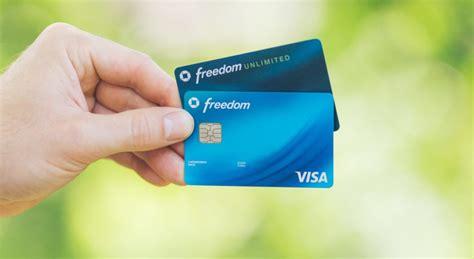
The final month of the year brings with it a rare and lucrative rewards window — 5% cash back or 5 points per dollar spent using PayPal on the Chase Freedom® and Chase Freedom Flex® cards through December 31. With holiday purchases stacking up, gift orders being tracked, subscriptions renewing, and seasonal travel expenses growing by the day, we find ourselves in the best moment to scale our points return beyond the standard rate. The value proposition is unmistakable: up to $1,500 in PayPal spend, fully eligible for the elevated rate once activation is completed. Instead of merely spending through the season, we can turn gift-giving into a measurable reward-generator that pays dividends far past the holidays.
Why December Is the Easiest Month to Earn Big Rewards
Holiday spending aligns perfectly with this quarterly bonus category. Retailers across the web funnel transactions through PayPal, meaning we don’t need to change habits or chase obscure merchants. We simply activate the category, link our Chase Freedom card within PayPal, and allow our natural spending to do the heavy lifting. This isn’t a category that requires breaking routine or buying items that don’t fit real needs — it rewards what we already intend to do. Unlike rotating quarterly categories that can feel restrictive or niche, PayPal unlocks a wide ecosystem of merchants, services, subscriptions, and even tax payments. High-frequency digital purchases make this the simplest bonus to max out before year-end.
Converting Cash Back to Ultimate Rewards Points
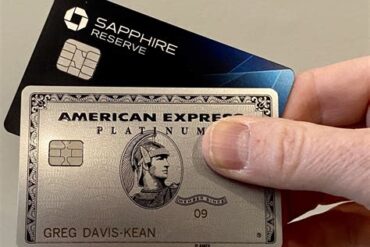
Holding a Chase Sapphire Preferred® or Chase Sapphire Reserve® card alongside a Freedom card transforms this promotion entirely. Rather than settling for cash back capped at one cent per point, we can funnel our Freedom earnings into Ultimate Rewards transferable currency. At 5 points per dollar, $1,500 in spend becomes 7,500 points, a total that multiplies further when redeemed for travel through transfer partners. The flexibility is unmatched: award flights, premium cabin redemptions, hotel stays, and statement credits all stem from a single strategic spending period. The ordinary transforms into exceptional simply through pairing cards correctly.
Where PayPal Works — And Why It Matters
PayPal is everywhere. From Target and Starbucks reloads to Home Depot, Nordstrom, and countless digital storefronts, PayPal surfaces as a checkout button nearly every time an online cart fills. It’s the modern gateway for frictionless payment, a wallet that requires no experimentation or risk. We have the freedom to shop seasonal deals, fulfill gifting obligations, renew streaming platforms, place grocery delivery orders, or send payments through merchants without the added burden of processing fees.
We aren’t confined to online carts either — select in-store terminals now accept PayPal directly. A simple QR scan sits between us and accelerated earnings, and the best part is that this structure requires no merchant-specific promos, no coupons, no hidden limitations. Whether ordering décor, replacing appliances, or sending digital gift cards, the process remains unchanged: pay with PayPal, earn at 5X.
The Tax Payment Example — A 7,500 Point Win
One contributor recently demonstrated the power of this promotion by paying quarterly tax obligations through Pay1040 via PayPal. The total charge reached $1,500, including the modest processing fee. Because the cardholder paired a Freedom card with the Sapphire Reserve, the 5% return became 7,500 Ultimate Rewards points — an outcome valued at roughly $154. Once the fee was subtracted, the net gain reached around $128, earned without shopping, gifting, or adjusting budget allocations. It was simply leveraging an unavoidable financial event into a high-yield return.
This illustrates the underpinning opportunity of December’s category: bills we have to pay anyway can generate the same rich earning power as holiday purchases. Tax payments, utility bills routed through PayPal, subscription renewals, online services — all transform into value if structured thoughtfully.
Peer-to-Peer Transfers — A Gray Zone with Select Upside
Sending money to friends or family through PayPal may or may not trigger the 5% bonus. The terms note that person-to-person transactions are not always eligible, though previous cycles have shown occasional success. When these transfers qualify, the payoff can still outpace the fee attached. A $120 transfer costing roughly $4 in fees yielded 620 points — worth ~$13 with Sapphire Reserve valuation attached. For holders without a premium Ultimate Rewards card, this still returns value above cost. While not guaranteed, it remains a tactical option for maximizing final dollars toward the $1,500 category threshold.
Strategy for Maximizing the Category Before Year-End
We can set our Chase Freedom as the default PayPal funding source, ensuring every checkout routes rewards efficiently. Online gifting, restaurant orders, last-minute travel bookings, electronics sales, home essentials, and subscription renewals all contribute naturally to the total. Even if personal gifting is complete, digital gift cards serve as rollover currency for January spending. The objective isn’t to find reasons to spend — it’s to channel spending already planned.
For those approaching the cap slowly, larger one-time payments such as taxes, insurance premiums processed online, or significant retail purchases can finish the quarter instantly. Every dollar under the $1,500 limit is a dollar of missed potential, especially given PayPal’s universal adoption.
The Advantage We Carry into the New Year
When January begins and the rotating categories shift, this opportunity closes. The most seamless earning channel of the year lives only inside December — a window we benefit from fully if used consciously. With a Freedom card activated and PayPal locked to default, holiday purchases serve dual purpose: generosity outward, reward inflow inward. This is the quarter to look back at and feel the quiet triumph of optimization.
By leaning into PayPal, the work is already done. The season of spending becomes the season of earning, and the value of each dollar stretches further than its receipt suggests.