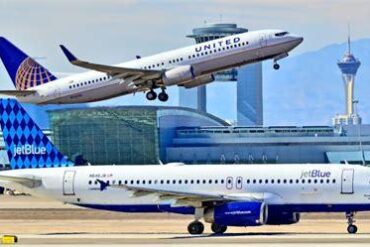
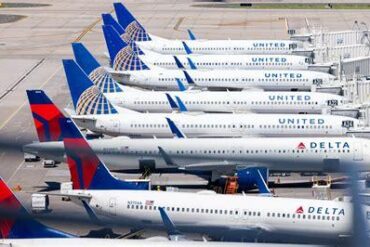
In a move that underscores growing instability in the U.S. airline industry, JetBlue Airways has joined the ranks of American Airlines, Southwest, United, Delta, and Alaska Airlines in aggressively cutting back flight schedules amid weakening travel demand. What began as a hopeful post-pandemic resurgence has now become a stark recalibration across the board. As major carriers slam the brakes on expansion plans, the air travel landscape is undergoing a profound shift—one shaped by cost pressures, strategic contractions, and a more conservative outlook for the future of domestic aviation.
JetBlue Confronts Harsh New Reality with Operational Retrenchment
JetBlue’s announcement on June 20, 2025, that it would scale down its network comes as part of a broader trend of belt-tightening throughout the aviation sector. Internal planning documents reveal that JetBlue is now expecting to fall short of its projected break-even operating margin by the end of 2025, citing soaring operational costs and a dramatic cooling of demand.
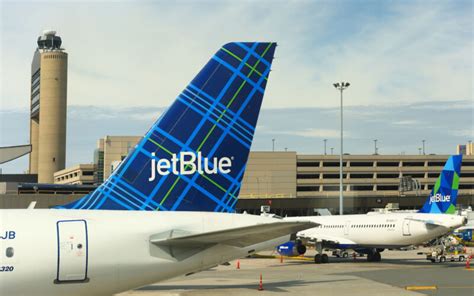
Rather than rolling out new routes or investing in aircraft upgrades, the carrier is parking six Airbus aircraft originally scheduled for interior retrofits. The symbolic grounding reflects more than financial prudence—it marks a shift in mindset, a move from ambitious growth to defensive conservation.
JetBlue has signaled that its leadership structure is also being retooled to support faster, leaner decision-making. A more centralized executive team will theoretically allow the airline to navigate uncertainty with agility. However, the move also hints at deeper turbulence within the company’s strategic core.
Economic Headwinds: Mounting Costs and Fragile Demand
The airline’s challenges are rooted in a dangerous mix of high costs and faltering demand. A significant pain point has been the grounding of aircraft due to issues with Pratt & Whitney’s Geared Turbofan engines, which are critical components of JetBlue’s Airbus fleet. Engine inspections and part shortages have made fleet optimization difficult, directly impacting available capacity.
Meanwhile, consumer behavior is shifting rapidly. Despite a strong summer travel season on paper, inflation and economic uncertainty have dampened discretionary spending. Travelers are booking later, flying less often, and exhibiting increasing price sensitivity. The once-reliable revenue streams of leisure and corporate travel are no longer guaranteed.
Strategic Refocus: From Expansion to Margin Protection
Rather than gambling on a rebound, JetBlue is now prioritizing profitability over network growth. Route maps are being reexamined with surgical precision, and underperforming segments are being shuttered. JetBlue’s revised strategy aims to reinforce core markets, preserve liquidity, and maintain competitive pricing on high-demand routes.
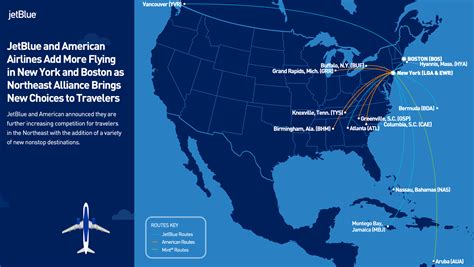
The impact is already visible. Once-promising destinations, especially in seasonal or price-sensitive regions, are being trimmed. Markets that fail to show resilience in ticket sales or profitability will likely be the first casualties of this retrenchment.
Wall Street Reacts: Confidence Wavers as JetBlue Shares Fall
Financial markets wasted no time in responding to JetBlue’s latest moves. The airline’s stock fell 2.5% following the June 20 announcement, bringing its year-to-date loss to over 42%. The drop reflects growing skepticism among investors who had anticipated a faster turnaround.
This decline is not occurring in isolation. Analysts suggest that JetBlue’s actions could signal broader, industry-wide contraction, prompting reevaluations of airline stocks across the board. Investors now appear to favor airlines that can show consistent cost management over aggressive network expansion.
Aircraft Orders Frozen: $3 Billion Deferred as Expansion Halts
A major indicator of the depth of JetBlue’s strategic reset lies in its capital expenditure plans. The airline has deferred delivery of 44 Airbus aircraft, a move that effectively freezes nearly $3 billion in fleet investment over the next five years.
This decision dramatically alters the company’s growth trajectory. With new aircraft off the table, JetBlue will focus on maximizing the value of its current fleet. Route expansion will become a rare and highly selective process, with each opportunity weighed against strict ROI criteria.
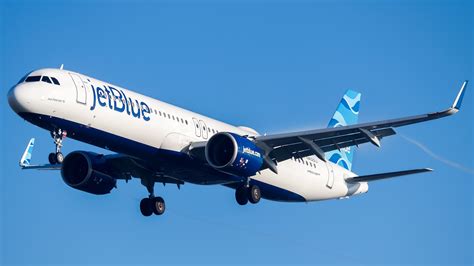
The long-term effects are clear: a leaner, more efficient fleet structure aimed at lowering costs while delivering consistent revenue performance across core markets.
Policy Pressures and Global Headwinds Complicate Recovery
JetBlue’s problems are compounded by political and regulatory forces. Trade tensions, rising tariffs, and protectionist policies have added uncertainty to operating costs. Imported parts, fuel prices, and even workforce mobility are increasingly subject to international volatility.
These pressures disproportionately affect mid-size carriers like JetBlue, which lack the scale to absorb cost increases as efficiently as legacy giants like Delta or United. With margins already razor-thin, even slight fluctuations in external conditions can have outsized effects.
At the same time, domestic consumer sentiment remains cautious. Inflation continues to erode household purchasing power, and many travelers are delaying or downsizing their travel plans. This softness in demand directly undermines airlines’ efforts to maintain load factors and pricing integrity.
National Impact: Summer Travel with Fewer Flights
JetBlue’s decision mirrors a broader trend across the U.S. airline industry. Delta, United, Alaska, and Southwest have all implemented similar schedule cuts, signaling a shift toward protecting pricing power and avoiding excess capacity in a volatile market.
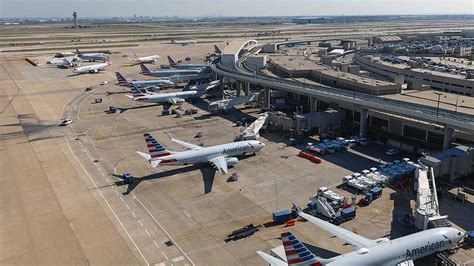
As a result, travelers may find fewer flight options this summer. Airports will likely host fewer departures, especially on regional and mid-distance routes. The remaining flights may be more crowded, as airlines seek to consolidate traffic and boost per-seat revenue.
This recalibration prioritizes load factor optimization over frequency. Travelers may need to plan further ahead, endure longer layovers, or make concessions on preferred travel times.
Regional Cuts Hit JetBlue Strongholds in Northeast and Caribbean
Some of the most immediate impacts will be felt in JetBlue’s traditional strongholds. Boston, New York, and San Juan are poised to experience the sharpest reductions in service, especially on routes where post-pandemic recovery has lagged.
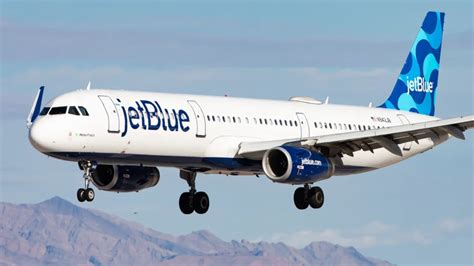
In the Caribbean, where seasonal fluctuations and intense competition complicate profitability, JetBlue is likely to scale back flights to less trafficked destinations. This could have a ripple effect on tourism-dependent economies, particularly smaller island nations that rely heavily on direct air links to the U.S.
Communities previously served by JetBlue may now face diminished connectivity. Secondary airports might lose routes altogether, forcing travelers to drive longer distances to major hubs.
Traveler Outlook: Fewer Routes, More Flexibility Needed
For passengers, the changes present both challenges and opportunities. On the one hand, fewer available flights could lead to higher prices and less flexibility. Nonstop options may dwindle, and booking windows may need to widen to secure desired itineraries.
On the other hand, airlines will likely compete fiercely for travelers on remaining routes. Expect to see price promotions, loyalty bonuses, and improved service on high-traffic corridors. The routes that survive this culling process are likely to be better supported, with higher punctuality and fewer operational disruptions.
Savvy travelers who can adapt quickly and remain flexible in their planning may benefit from these industry shifts. However, a reactive approach—waiting until the last minute—could lead to higher costs or limited availability.
Conclusion: JetBlue’s Strategic Pivot Is a Bellwether for U.S. Aviation
The dramatic pullback by JetBlue is not merely a corporate adjustment—it’s a pivotal moment in the ongoing evolution of the American airline industry. It reflects a harsh reality of rising costs, demand volatility, and global instability that no airline can ignore.
As JetBlue enters a phase of retrenchment and recalibration, its moves are likely to influence strategic decisions across the sector. Airlines that once chased rapid expansion are now turning inward, reexamining core strengths, and fortifying their financial foundations.
The next 12 months will be telling. Whether this industry-wide reset stabilizes the market or sets the stage for deeper consolidation remains to be seen. For now, passengers, investors, and policymakers alike must navigate an air travel landscape defined not by ambition—but by resilience, caution, and adaptation.