Russia’s ambition to build a self-sufficient aerospace industry is crumbling under the weight of international sanctions, domestic production bottlenecks, and a severe talent drain, according to a top industry executive. Despite Moscow’s vocal push to replace Western components with local alternatives, efforts remain stalled, exposing critical weaknesses in Russia’s aviation supply chain.
Sanctions Paralyze Key Supply Chains in Aviation
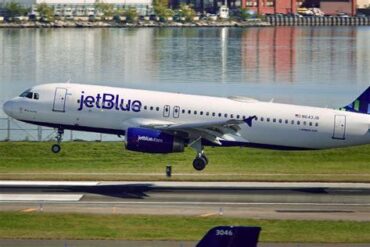
The full-scale invasion of Ukraine in 2022 triggered a cascade of Western sanctions aimed directly at Russia’s aviation and defense sectors. Leading aerospace firms such as Boeing and Airbus severed ties with Russian airlines and manufacturers, halting the delivery of spare parts, maintenance services, and technical support. This isolation had immediate and lasting consequences.
Russia responded with bold declarations. The government announced plans to ramp up production of Soviet-era aircraft like the Tupolev Tu-214, while also accelerating the development of newer platforms such as the Sukhoi Superjet 100 and the Irkut MC-21. However, more than two years into the sanctions regime, evidence shows that these plans remain aspirational.
According to Anatoly Gaydansky, CEO of aircraft parts firm Aerocomposite, the Russian aerospace sector is facing a dire shortage of components, particularly electronic systems, which are essential to modern avionics. “Domestic producers aren’t even close to meeting the needs of the sector,” he said, candidly acknowledging that Russia continues to depend on imports from so-called “friendly countries.”
Western Parts Still Flow—Through the Backdoor
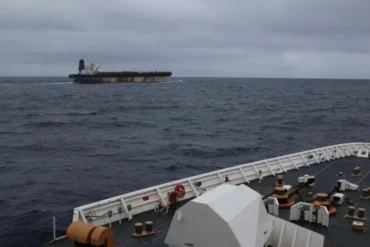
Although direct imports from the U.S. and EU have ceased, Russia has reportedly managed to bring in over $1 billion worth of Western aircraft components since the war began. These transactions often involve rerouting goods through intermediaries in third-party nations, such as Turkey, the UAE, and Central Asian republics, or acquiring parts from obscure gray-market suppliers.
Gaydansky admitted that while official designs and certifications may now be Russian, the hardware often remains foreign. This duality highlights the fragility of Russia’s aviation autonomy. As the Kremlin boasts about indigenous production, engineers on the ground struggle to secure basic systems like navigation units, radar modules, and engine control boards.
A Technical Brain Drain Decades in the Making
Beyond supply shortages, the Russian aircraft industry is suffering from a deeper, more systemic issue: the erosion of its technical talent pool. In the decades following the collapse of the Soviet Union, underinvestment in education and research gradually hollowed out the country’s engineering base. Today, the consequences are stark.
“Unfortunately, the quality of training for engineers at Russian universities has declined in recent years,” Gaydansky observed, pointing to outdated curricula, underpaid faculty, and a lack of modern training facilities. The country’s aerospace sector—once the pride of Soviet-era innovation—is now struggling to retain skilled designers, software developers, and materials scientists.
This skills deficit has become a major roadblock in efforts to produce complex components domestically. Even when funding is available, the workforce often lacks the expertise required to execute high-precision tasks or innovate independently from Western templates.
Skyrocketing Costs and Broken Deadlines
One of the most telling indicators of the crisis is the ballooning cost of domestic aircraft production. According to industry estimates, the price of assembling aircraft using local or workaround components has increased by 45% to 70% over the past two years. This surge is driven by a combination of scarcity, logistical inefficiencies, and inflated prices for rerouted imports.
Such cost spikes are not merely accounting issues—they fundamentally undermine the viability of Russia’s aerospace ambitions. Airlines already operating under restricted international routes and financial sanctions now face unsustainable expenses when attempting to modernize or expand their fleets using homegrown jets.
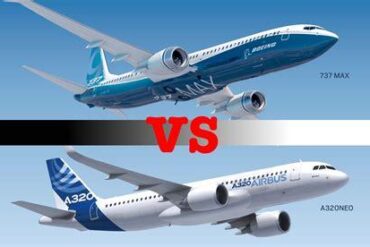
Efforts to localize production have also fallen behind schedule. Government-backed plans to manufacture the Irkut MC-21 using entirely Russian-made components have repeatedly missed milestones. The aircraft, initially touted as a rival to the Airbus A320 and Boeing 737, has become emblematic of the challenges facing the sector.
The Superjet 100’s Struggle to Escape Western Dependency
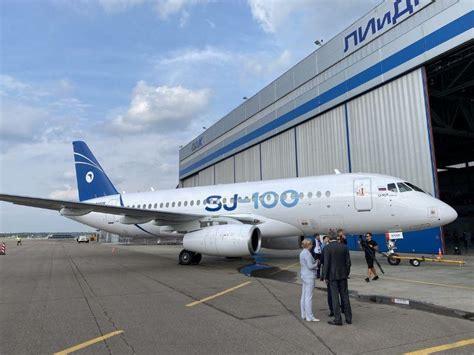
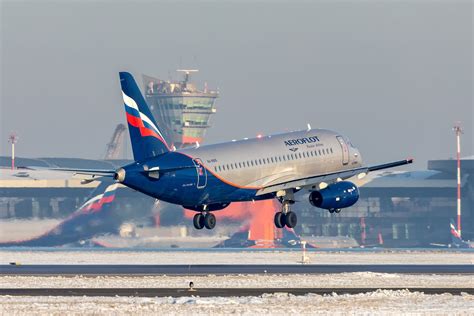
One of Russia’s flagship efforts at aerospace self-reliance is the Sukhoi Superjet 100 (SSJ100). Launched with significant fanfare in the early 2000s, the aircraft was originally developed with a mix of Western and Russian components. Key systems—including engines, avionics, and flight control—were sourced from companies in France, the U.S., and Italy.
Following sanctions, Russia pledged to create a “Russified” version of the Superjet, stripped of all foreign parts. Dubbed the SSJ-New, this aircraft was supposed to symbolize Moscow’s technological sovereignty. However, its development has been riddled with delays.
To date, critical components such as engine subsystems and flight software have proven difficult to replace. While prototypes have been produced, they often fall short of certification standards or exhibit reliability issues. The SSJ-New remains grounded in development purgatory, another victim of overpromised goals and under-delivered infrastructure.
Tupolev Tu-214: An Old Workhorse, Not a Savior
In response to the grounding of most Boeing and Airbus aircraft from its commercial skies, Russia turned to the Tupolev Tu-214, a twin-engine, medium-range airliner designed in the 1990s. While technically reliable, the Tu-214 belongs to a different era of aviation—less fuel-efficient, noisier, and lacking many modern avionics and passenger comforts.
Still, Moscow views it as a fallback option. Plans have been floated to increase annual Tu-214 production to up to 20 units per year, but the infrastructure to support such scale no longer exists. Key subcontractors were disbanded or repurposed after years of market irrelevance. Restarting production lines requires not just funding but also trained staff, updated tooling, and a robust supplier network—most of which are in short supply.
Even if Tu-214 production can be ramped up, airlines may resist adopting a platform that lacks the economics of modern jets. With fuel prices volatile and maintenance cycles costly, operating 1990s-era aircraft is a risky proposition.
Aviation at the Mercy of Geopolitics and Technology Gaps
Ultimately, Russia’s struggle to replace Western aircraft components is a stark illustration of the limits of technological sovereignty in a globalized world. Aerospace is one of the most interconnected industries on Earth, requiring precision engineering, international certifications, and constant innovation across borders.
By closing itself off from Western partners and trying to replicate entire ecosystems in isolation, Russia has taken on an uphill battle with little room for error. Even friendly nations may hesitate to openly supply sanctioned components, wary of secondary sanctions or diplomatic backlash. As a result, black-market logistics and gray-sourcing have become survival tools, not strategies for sustainable growth.
The war in Ukraine may have accelerated Russia’s urgency to achieve aerospace independence, but the foundation was never ready. With technical capacity gutted, costs soaring, and timelines slipping, the promise of a self-reliant Russian aircraft industry remains out of reach.
A Grounded Future for Russian Aviation
As Anatoly Gaydansky openly acknowledged, the Russian aircraft industry is beset by well-known weaknesses that have only deepened under the pressure of sanctions and internal decay. While official rhetoric continues to champion self-sufficiency, the reality on the factory floor tells a story of improvisation, dependence, and systemic dysfunction.
Whether the Kremlin can reverse this trajectory remains uncertain. What is clear, however, is that until Russia overcomes both its technological deficit and geopolitical isolation, its dream of aerospace autonomy will remain a turbulent, and perhaps unreachable, flight path.