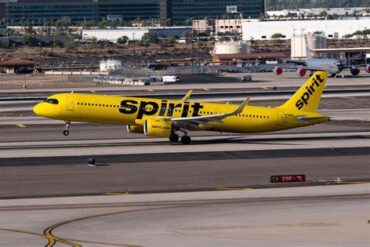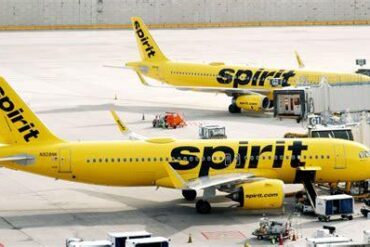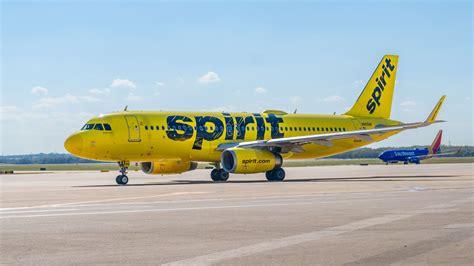
Spirit Airlines, one of the most recognizable names in ultra-low-cost air travel in the United States, is facing a severe financial crisis that could culminate in the airline shutting down operations within days. According to sources familiar with the situation, the airline’s fragile recovery from bankruptcy is rapidly deteriorating, raising the possibility that the company could be forced into liquidation rather than another restructuring attempt.
For decades, Spirit Airlines built its reputation on rock-bottom ticket prices and a stripped-down service model that allowed travelers to fly across the United States at a fraction of the cost charged by traditional carriers. Yet the same aggressive pricing strategy that fueled its growth has also left the airline vulnerable to external shocks, rising costs, and intense competition in an increasingly crowded budget travel market.
The current crisis represents the latest chapter in a long struggle for financial stability. Spirit’s management had hoped that its most recent restructuring plan would place the airline back on a sustainable path, but mounting operational challenges and economic pressures have steadily eroded those hopes. With lenders now questioning whether the airline can recover, discussions are reportedly shifting toward the sale of assets or a full shutdown.
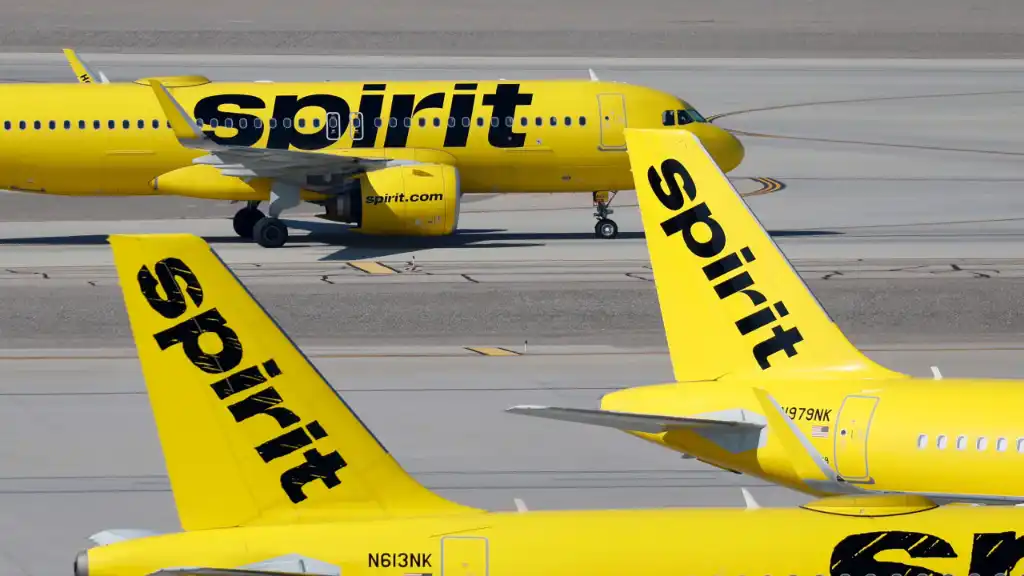
A Budget Airline Fighting for Survival
Spirit Airlines’ financial difficulties have intensified since 2024, when the company first filed for Chapter 11 bankruptcy protection following a year of heavy losses. The airline cited more than $1.2 billion in annual losses, a staggering figure that reflected declining demand and rising operational costs.
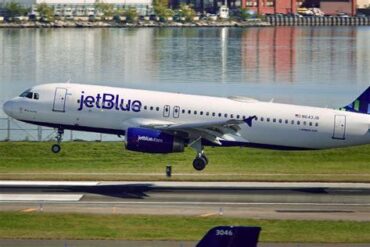
The bankruptcy filing came shortly after a dramatic setback: a proposed merger with JetBlue Airways was blocked by a U.S. federal judge on antitrust grounds. That merger had been widely viewed as Spirit’s best chance at long-term stability. Regulators, however, argued that the deal would reduce competition in the low-fare airline market.
Without the merger, Spirit was forced to navigate its financial challenges alone. The airline briefly exited bankruptcy in early 2025 after negotiating with creditors and restructuring its debt. Yet the recovery proved fragile. By August 2025, Spirit filed for Chapter 11 protection again, marking its second bankruptcy proceeding in less than a year.
Operational Setbacks Deepen the Crisis
Spirit’s financial instability has been compounded by a series of operational disruptions that dramatically reduced its revenue potential. Among the most damaging was the global recall of Pratt & Whitney geared turbofan engines, which grounded a significant number of Airbus aircraft across multiple airlines.
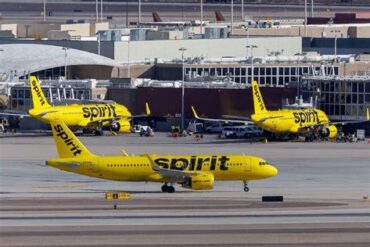
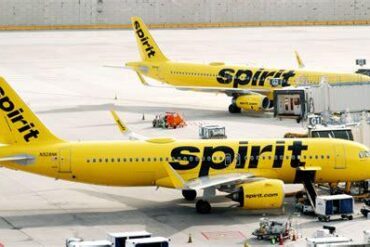
Spirit, whose fleet relies heavily on Airbus A320-family jets powered by these engines, was particularly vulnerable to the issue. As inspections and repairs dragged on, the airline was forced to park numerous aircraft for extended periods.
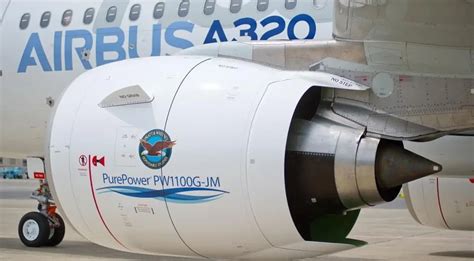
The result was a sharp drop in available seating capacity. Fewer aircraft in the air meant fewer tickets sold, just as operating costs were climbing. Employee wages, benefits, and aircraft leasing expenses continued to rise even as the airline struggled to maintain normal flight schedules.
Spirit had originally targeted $252 million in profits during its recovery period. Instead, it reported losses of $257 million, effectively wiping out any margin for financial error.
Fuel Prices Deliver Another Blow
Even as Spirit attempted to stabilize its operations, external economic forces delivered another devastating setback. A sudden surge in global oil prices drove jet fuel costs dramatically higher, undermining the airline’s financial projections.
The price spike followed geopolitical tensions involving U.S. military action against Iran, an operation that triggered volatility in global energy markets. Rising fuel prices have historically strained airlines, but ultra-low-cost carriers like Spirit are particularly exposed because their profit margins are extremely thin.
Creditors reportedly now believe that Spirit’s restructuring plan may no longer be viable under the new cost environment. With cash reserves shrinking and lenders losing confidence, the company’s ability to continue operating has come under serious scrutiny.
Competition in the Budget Airline Market
Spirit’s struggles also reflect a broader transformation in the U.S. airline industry. Over the past decade, large carriers such as Delta Air Lines, American Airlines, and United Airlines have introduced their own “basic economy” fares designed to compete directly with ultra-low-cost airlines.
These fares mimic the stripped-down pricing model pioneered by carriers like Spirit while benefiting from the network strength and loyalty programs of major airlines. As a result, budget travelers who once relied on ultra-low-cost carriers now have more options within traditional airline networks.
At the same time, Frontier Airlines, Spirit’s closest budget competitor, has aggressively expanded capacity on domestic routes. This growth has intensified competition on key leisure travel routes where Spirit historically dominated.
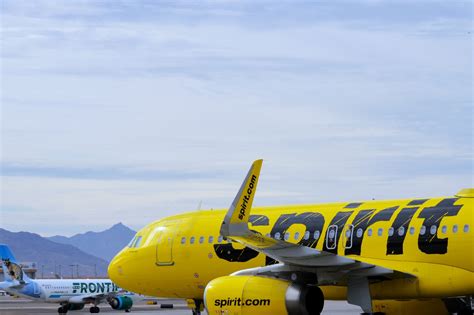
The combination of stronger competition, lower fares, and rising operating costs has steadily squeezed Spirit’s profitability.
Attempts to Reinvent the Airline
In an effort to broaden its appeal and increase revenue, Spirit introduced several service upgrades during its restructuring process. The airline expanded its premium offerings, including the increasingly popular “Big Front Seat,” which provides additional legroom and a larger seat closer to the front of the aircraft.
Spirit also experimented with bundled fares that included perks traditionally absent from ultra-low-cost travel, such as priority boarding and additional baggage allowances. These moves represented a strategic shift away from the airline’s original bare-bones model.
Despite positive passenger feedback and improvements in reliability and affordability ratings, the upgrades failed to generate enough revenue to offset rising expenses.
What Happens If Spirit Collapses
The possibility of Spirit Airlines shutting down entirely depends largely on how the bankruptcy court proceeds if the company’s restructuring efforts fail. Under U.S. bankruptcy law, a company operating under Chapter 11 protection can continue flying while it attempts to reorganize its finances.
During this process, the airline functions as a “debtor in possession,” maintaining day-to-day operations while negotiating with creditors and presenting a recovery plan.
However, if the court determines that recovery is no longer realistic, the case can be converted into a Chapter 7 liquidation. In that scenario, the airline’s assets—including aircraft, airport slots, and equipment—could be sold to repay creditors.
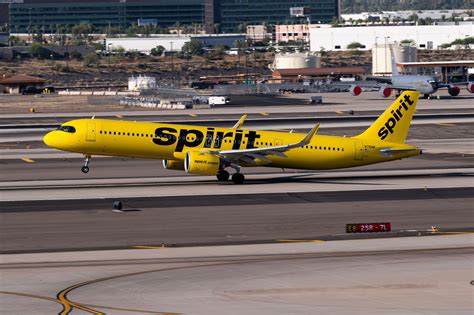
For travelers, employees, and the broader airline industry, such a shutdown would mark the disappearance of one of the last remaining pioneers of the American ultra-low-cost model.
Whether Spirit Airlines can still find a path to survival remains uncertain. What is clear is that the airline now stands at a decisive crossroads, where the next few days could determine whether it continues flying or becomes another casualty of the volatile aviation industry.