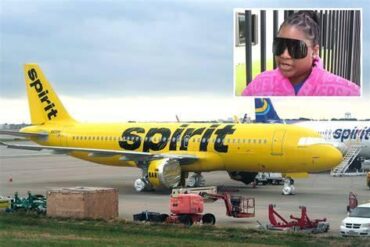
Spirit Airlines has reversed course on one of its most controversial workforce decisions, recalling 500 flight attendants from furlough as it moves forward with the sale of 20 Airbus aircraft. The simultaneous staffing recall and fleet reduction underscore the ultra-low-cost carrier’s high-stakes balancing act: stabilizing daily operations while navigating its second bankruptcy in two years.
In December, Spirit placed approximately 1,800 flight attendants on furlough ahead of the winter season. Around 500 volunteered, but the majority were involuntary cuts intended to align staffing with reduced flying. What followed was a cascade of operational strain. Flight cancellations climbed, reserve crews were exhausted, and sick calls surged, exposing how tightly wound the airline’s staffing model had become.
By February, the strain was no longer theoretical. Spirit acknowledged it had been canceling as many as 60 flights per day, largely due to insufficient cabin crew coverage. Emergency staffing measures offered only temporary relief. Its reserve pool, designed as a buffer against irregular operations, had been fully depleted.
Spirit Airlines Reverses Furloughs Amid Operational Turmoil
The recall notices, sent this week, give affected flight attendants 15 days to return, although the airline has encouraged faster reinstatement where possible. As dictated by union agreements, the return order will follow seniority, prioritizing the most experienced crew members.
The Association of Flight Attendants-CWA welcomed the move, describing it as critical relief for frontline workers who have endured what it characterized as a grueling two months. The union emphasized that restoring staffing levels is not merely a workforce issue but a structural necessity to stabilize daily operations.
Spirit’s ultra-low-cost model depends on high aircraft utilization and tightly scheduled crews. When staffing thins beyond a certain threshold, the system loses elasticity. Unlike legacy carriers with deeper crew benches and interline flexibility, Spirit’s margin for disruption is thin. A spike in sick leave or weather-related irregularities can quickly snowball into network-wide cancellations. The recall of 500 flight attendants is therefore less a gesture of goodwill than an operational imperative.
$530 Million Airbus Aircraft Sale Approved
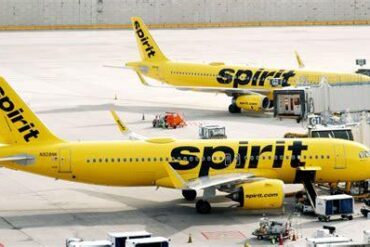
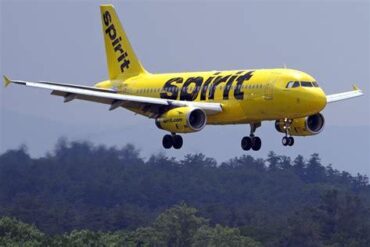
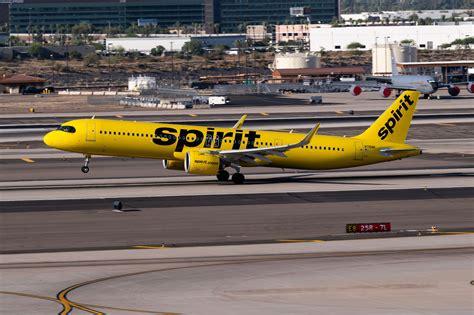
Parallel to the staffing shift, Spirit has secured agreement to sell 20 Airbus aircraft in a deal valued at approximately $530 million. According to court filings, the transaction includes 13 Airbus A320-200 and seven Airbus A321-200 aircraft, with CSDS Asset Management identified as the initial bidder. The sale remains subject to bankruptcy court approval, with transfers expected to begin in April 2026.
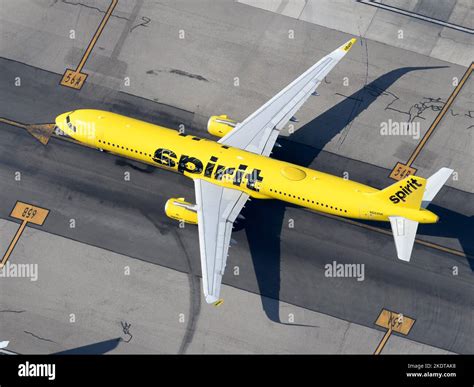
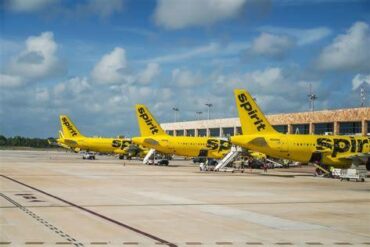
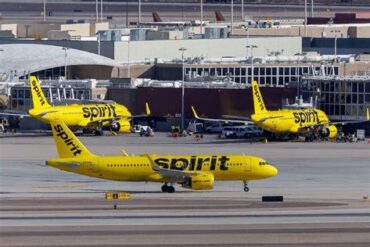
At first glance, selling 20 aircraft from a fleet of just over 120 may appear operationally risky. Spirit, however, maintains that the impact will be minimal because most of the aircraft earmarked for sale are already out of revenue service. Data indicates roughly 15 Spirit aircraft are currently parked, aligning with the carrier’s claim that these jets had long been marked for disposal.
The broader strategy is unmistakable: generate liquidity, reduce debt exposure, and streamline the fleet. Since its initial bankruptcy filing in 2024, Spirit has aggressively restructured its balance sheet. Aircraft leases have been rejected, fleet commitments trimmed, and capital expenditures curtailed. Once the current restructuring phase is complete, Spirit expects to own fewer than 30 aircraft outright while operating approximately 66 leased jets as its core fleet.
In financial terms, the aircraft sale injects immediate capital while shrinking future maintenance and ownership costs. In operational terms, it narrows capacity, which may help align supply with demand during a period of constrained cash flow.
A Carrier Under Prolonged Financial Pressure
Spirit’s second bankruptcy has stretched close to a year, and its long-term viability remains uncertain. Negotiations reported last month between Spirit and investment firm Castlelake suggested the possibility of a takeover. Industry observers noted that such a transaction could involve asset divestitures rather than a full operational revival, potentially fragmenting the airline’s network and brand.
Compounding the pressure, Spirit had previously announced plans to furlough hundreds of pilots. That proposal was later withdrawn after the airline recognized it had already lost significant pilot numbers to competing carriers. The risk of hollowing out its workforce became too great. Aviation labor markets remain tight, particularly for experienced captains, and rebuilding those ranks can take years.
The recall of flight attendants signals that Spirit is recalibrating. Cutting too deeply into operational labor may produce short-term savings, but it can also undermine revenue generation if flights cannot operate reliably. Airlines are capital-intensive businesses, but they are also human-intensive. Aircraft parked on ramps do not generate revenue; fully staffed flights do.
Stabilization, Not Salvation
The combined effect of recalling 500 flight attendants and advancing a $530 million aircraft sale provides Spirit with breathing room. Cash from asset sales improves liquidity. Restored staffing reduces cancellations and protects ticket revenue. Yet neither action resolves the structural vulnerabilities facing the airline.
Spirit’s ultra-low-cost model thrives on scale, dense aircraft utilization, and razor-thin margins. Bankruptcy protection offers a chance to renegotiate obligations, but competitive pressures from larger carriers and other low-cost rivals remain intense. Fare wars, fuel volatility, and labor negotiations will continue shaping the airline’s trajectory.
For now, the recall represents a pragmatic pivot. The company that furloughed 1,800 cabin crew members months ago is now urging 500 of them to return quickly. It is a vivid illustration of how rapidly airline economics can shift. In commercial aviation, strategy is rarely static. It is a continuous adjustment between capacity, capital, and crew.
Spirit Airlines has bought itself time. Whether that time translates into durable recovery depends on how effectively it converts financial restructuring into operational resilience.