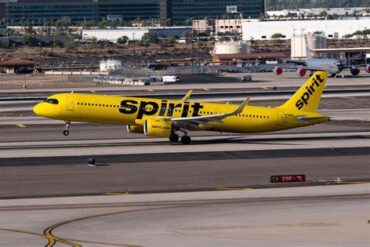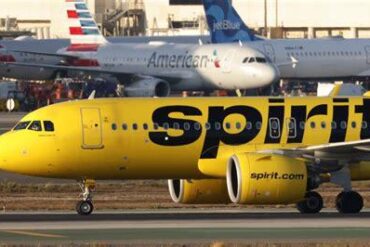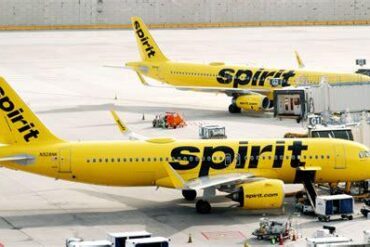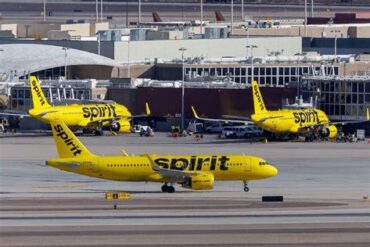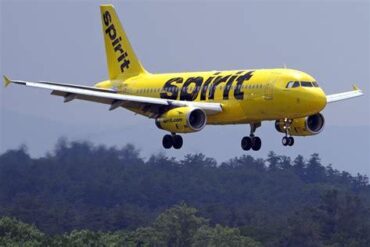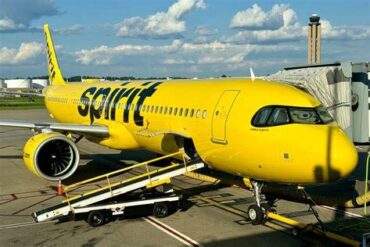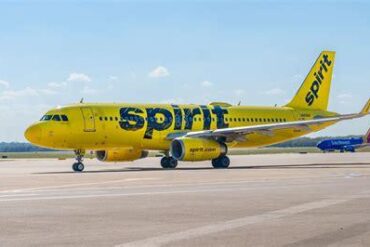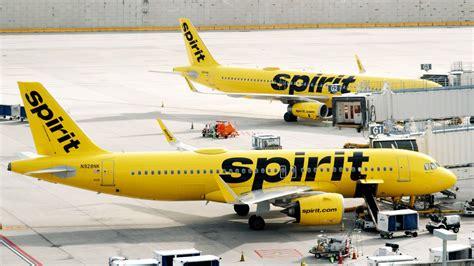
Spirit Airlines is taking a decisive step to stabilize its operations by recalling roughly 500 furloughed pilots, a move prompted by unexpectedly high pilot attrition during the carrier’s ongoing Chapter 11 bankruptcy restructuring. The recall notices were issued to aviators furloughed between September 2024 and November 2025, signaling a shift from workforce reduction to cautious rebuilding as the ultra-low-cost airline prepares to emerge from bankruptcy later in 2026.
The decision highlights a central challenge facing the airline industry: once experienced pilots depart during downturns, they rarely remain available for long. Spirit had originally reduced staffing levels to match a shrinking flight schedule and reduced fleet. Yet many furloughed employees secured permanent positions elsewhere, leaving the airline short of cockpit crew just as it begins planning for its next operational phase.
For Spirit Airlines, the recall is more than a staffing adjustment. It represents one of the first tangible signs that the company is moving from survival mode toward operational recovery, even as it continues to operate a smaller network than before its financial crisis.
Spirit’s Workforce Reductions Created an Unexpected Pilot Gap
During the past two years, Spirit Airlines implemented sweeping cost-cutting measures aimed at stabilizing its finances. Hundreds of pilots and flight attendants were furloughed as the carrier downsized operations, reduced flight frequencies, and trimmed its fleet. These steps were designed to save millions of dollars while the airline navigated severe financial pressure.

However, workforce reductions came with a long-term consequence. As major US airlines ramped up hiring amid strong travel demand, many Spirit pilots accepted positions with competing carriers. The departure of these highly trained aviators created a widening gap between the airline’s staffing levels and the operational flexibility required to run even a reduced network.
Spirit acknowledged the problem in an internal memo reviewed by CNBC, stating that pilot attrition had exceeded initial forecasts, complicating efforts to align staffing with the airline’s scaled-down flight schedule. The company’s leadership had originally expected a portion of furloughed pilots to remain available for recall. Instead, the competitive labor market pulled many away permanently.
Pilot Recall Signals Early Operational Rebuilding
The recall of 500 pilots indicates that Spirit’s restructuring strategy is entering a new phase. Rather than continuing workforce reductions, the airline is now attempting to rebuild critical operational capacity while maintaining a smaller and more focused network.
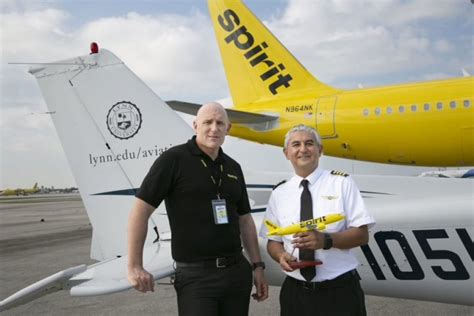
Pilots who were involuntarily furloughed between September 1, 2024, and November 1, 2025, are receiving the recall notices. If a substantial number accept the offer to return, Spirit will regain essential flexibility in scheduling flights and maintaining reliability across its network.
Airline operations depend heavily on precise staffing levels. Even a modest shortage of qualified pilots can force carriers to cancel flights, reduce frequencies, or limit route expansion. For Spirit, which is already operating with a leaner structure, restoring its pilot pool is critical to avoiding operational disruptions during the next stage of its restructuring.
The move also demonstrates how difficult it can be for airlines to balance aggressive cost cutting with long-term operational needs. Workforce reductions may help stabilize finances in the short term, but the loss of skilled employees can quickly become a strategic vulnerability.
Preparing to Exit Chapter 11 as a Leaner Airline
Spirit Airlines expects to emerge from its second Chapter 11 bankruptcy process by late spring or early summer of 2026. The restructuring plan centers on transforming the company into a leaner airline focused on routes and travel periods with the strongest demand.
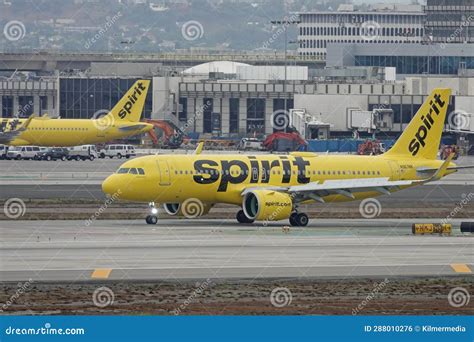
Unlike its previous strategy of maintaining a broad network, Spirit now intends to concentrate on markets where its ultra-low-fare model remains competitive. This shift reflects wider changes in the airline industry since the COVID-19 pandemic reshaped travel patterns and passenger expectations.
Many travelers have increasingly shown a willingness to pay for enhanced comfort and bundled services such as extra legroom, priority boarding, and flexible fares. That trend has created challenges for ultra-low-cost carriers whose business models rely heavily on rock-bottom base fares paired with optional add-ons.
As a result, Spirit has been forced to rethink both its operational scale and route network. Earlier in 2026, the airline sold 20 aircraft as part of its restructuring strategy, further reducing capacity while improving its financial position.
Flight Attendant Recalls Highlight Broader Staffing Pressures
The pilot recall is not an isolated decision. In February 2026, Spirit also announced plans to recall approximately 500 furloughed flight attendants, another signal that operational needs are shifting as the airline prepares for the next phase of its recovery.
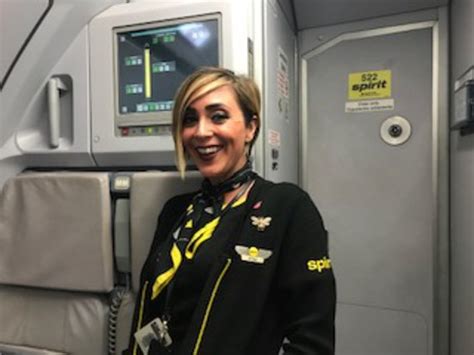
These parallel recalls illustrate the delicate balance airlines must maintain during periods of restructuring. Reducing staff too aggressively can create operational bottlenecks when demand stabilizes or when experienced workers migrate to competing airlines.
For Spirit Airlines, the coming months will determine how successful these recall efforts prove to be. Not every furloughed pilot or flight attendant may choose to return, particularly if they have secured stable long-term positions elsewhere in the industry.
Still, bringing back even a portion of these employees could significantly improve the airline’s operational resilience. A stronger workforce would allow Spirit to manage flight schedules more efficiently, adapt to seasonal demand changes, and rebuild passenger confidence after a turbulent financial period.
The broader aviation industry offers a clear lesson: skilled aviation professionals are among the most valuable and difficult resources to replace. Spirit’s experience underscores how workforce dynamics can shape the trajectory of an airline’s recovery just as much as financial restructuring or network strategy.
As Spirit moves closer to exiting bankruptcy protection, the recall of 500 pilots may mark an early indicator of a cautious but meaningful turnaround. Whether the strategy succeeds will depend not only on financial reforms but also on the airline’s ability to rebuild the experienced workforce that keeps its aircraft in the sky.