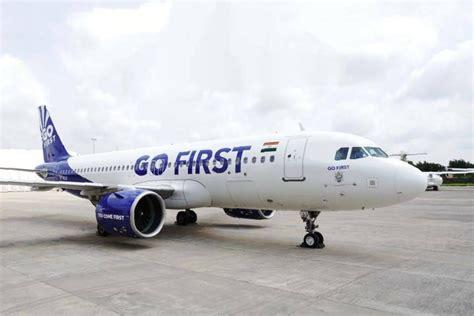
Go First, which began its journey as GoAir, carved out a significant presence in the highly competitive Indian aviation market as a low-cost airline. Headquartered in Mumbai, Maharashtra, and owned by the esteemed Indian business conglomerate, the Wadia Group, the airline commenced its operations on November 4, 2005. For nearly two decades, it operated a fleet primarily composed of Airbus A320 aircraft, configured in an all-economy layout, appealing to budget-conscious travelers across India and select international destinations. However, its flight path encountered severe turbulence in 2023, culminating in the cessation of operations on May 3, 2023, and a subsequent filing for voluntary insolvency. This abrupt end was largely attributed to persistent issues with Pratt & Whitney engines, which powered its entire A320neo fleet, severely crippling its operational capacity and financial stability.
The Genesis and Early Ambitions of GoAir
GoAir was established in 2005 by Jehangir Wadia, the son of prominent Indian industrialist Nusli Wadia, marking the Wadia Group’s ambitious entry into the burgeoning Indian airline industry. As a wholly owned subsidiary of this diversified conglomerate, GoAir launched its services with a clear focus on the low-cost segment. The airline’s inaugural flight, a significant milestone, took off from Mumbai destined for Ahmedabad on November 4, 2005. This launch was modest, beginning with a single Airbus A320 aircraft servicing four initial destinations, which also included popular routes to Goa and Coimbatore. The initial vision was aggressive, with ambitious plans to rapidly expand its fleet to 36 aircraft by the year 2008, signaling a strong intent to capture a substantial share of the domestic market. However, the volatile nature of the aviation industry soon presented formidable challenges.
By March 2008, the airline had to recalibrate its expansion strategy. Revised plans indicated an operation of 11 aircraft, with a strategic focus on opening new routes in India’s North East and South regions by the year’s end. This adjustment reflected a more cautious approach in response to market realities. A significant headwind during this period was the escalating cost of aviation turbine fuel, which severely impacted operational economics across the industry. Consequently, in June 2008, GoAir was compelled to reduce its existing flight frequencies to manage costs and maintain financial viability. The challenging environment also led to explorations of strategic partnerships. In January 2009, there were reports of British Airways showing interest in acquiring a stake in GoAir, though this did not materialize into a deal. Later, in November 2009, GoAir engaged in discussions with a fellow Indian low-cost carrier, SpiceJet, exploring a potential merger. These talks, however, also concluded without an agreement, leaving GoAir to continue its journey independently in a fiercely competitive landscape.
Navigating a Turbulent Indian Aviation Market
As the Indian aviation sector continued to evolve, GoAir steadily carved out its niche. By April 2012, following the unfortunate demise of Kingfisher Airlines, GoAir ascended to become the fifth largest airline in India based on market share. This period highlighted the airline’s resilience and its ability to adapt to the dynamic market conditions. Unlike some of its contemporaries, such as IndiGo and SpiceJet, which pursued aggressive expansion in terms of market share, fleet size, and destination network, GoAir adopted a more measured growth strategy. By 2016, while these competitors boasted larger operational footprints, GoAir consciously prioritized profitability over sheer scale. This strategic decision was, according to the airline, a deliberate response to the inherently tough aviation environment in India. The focus remained steadfastly on maintaining financial health rather than engaging in potentially unsustainable races for market dominance or rapid fleet and route expansion. This cautious approach was a hallmark of its operational philosophy during these years. In February 2016, GoAir held an 8% market share, solidifying its position as the fifth-largest carrier in the country, a testament to its sustained, albeit conservative, growth.
The airline also harbored ambitions for an initial public offering (IPO) around 2016, signaling a potential new phase of financial growth and public investment. A crucial operational milestone was achieved in June 2016 when GoAir took delivery of its 20th aircraft. This fleet expansion was particularly significant as it made the airline eligible to operate international flights, opening up new avenues for growth and revenue. This development marked a pivotal moment, allowing GoAir to look beyond domestic skies and tap into the lucrative international travel market from India.
Expanding Horizons: GoAir’s International Foray
The eligibility to operate international flights, gained in June 2016, set the stage for GoAir’s next chapter of expansion. The airline made its international debut on October 11, 2018, becoming the sixth Indian domestic carrier to venture into overseas operations. The inaugural international flight connected Delhi with Phuket, Thailand, a popular tourist destination, signaling GoAir’s strategic intent to capture leisure travel markets. This move was a significant step in diversifying its route network and revenue streams. However, the global aviation landscape was dramatically altered by the onset of the COVID-19 pandemic. In response to widespread travel restrictions and a sharp decline in demand, GoAir, like many airlines worldwide, suspended all its international flights on March 17, 2020. This unforeseen global crisis brought a sudden halt to its burgeoning international operations, forcing the airline to refocus on domestic routes and navigate the unprecedented challenges posed by the pandemic.
A Fresh Identity: The Rebranding to Go First
In a significant strategic move aimed at revitalizing its brand and signaling a new phase of growth, GoAir underwent a major rebranding exercise. On May 13, 2021, the airline officially became Go First. This rebranding was more than just a name change; it encompassed a new visual identity, including a striking new blue color scheme and livery for its aircraft, designed to project a more modern and customer-centric image. The airline stated that the new brand identity was aligned with its focus on being a ‘customer-first’ airline, emphasizing reliability, punctuality, and affordability. Concurrent with this rebranding, Go First revived its plans for an Initial Public Offering (IPO). The airline aimed to raise approximately ₹36 billion (US$430 million) through this public issue. This ambitious fundraising plan was intended to fuel its expansion, strengthen its financial position, and enable it to compete more effectively in the post-pandemic aviation market. The rebranding and IPO plans together represented a concerted effort to chart a new, more aggressive growth trajectory for the airline under its new banner.
The Pratt & Whitney Engine Crisis: Seeds of Trouble
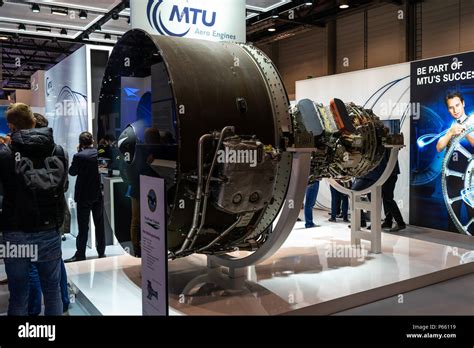
Despite the optimism surrounding the rebranding and IPO aspirations, 2023 brought severe operational headwinds for Go First. The airline began experiencing a significant number of flight cancellations, leading to widespread passenger disruption and reputational damage. The core of these problems, as vehemently claimed by Go First, lay with the Pratt & Whitney PW1000G engines that powered its entire fleet of Airbus A320neo aircraft. Go First alleged that an unexpectedly high number of these engines were failing prematurely or requiring unscheduled maintenance, far exceeding normal operational expectations and contractual agreements. This led to a substantial portion of its fleet being grounded – at one point, nearly half of its A320neo aircraft were non-operational due to these engine issues. The airline contended that Pratt & Whitney failed to provide a sufficient supply of spare engines and perform timely maintenance and repairs, directly impacting its ability to maintain its flight schedule and generate revenue. This escalating crisis forced Go First to take legal action. The airline sued Pratt & Whitney in a United States federal court, seeking to enforce an arbitral award that purportedly directed the engine manufacturer to supply the contracted number of serviceable engines. Pratt & Whitney, however, disputed Go First’s claims, creating a contentious international legal battle. The engine manufacturer often cited global supply chain disruptions, themselves exacerbated by the pandemic, as a factor affecting engine availability and maintenance timelines, a defense that did little to alleviate Go First’s immediate operational paralysis.
The Inevitable Descent: Filing for Insolvency
The crippling impact of the grounded fleet due to the ongoing Pratt & Whitney engine issues proved to be insurmountable for Go First. With a significant portion of its revenue-generating assets out of service, the airline’s financial situation deteriorated rapidly. On May 2, 2023, Go First took the drastic step of filing for voluntary insolvency resolution proceedings before the National Company Law Tribunal (NCLT). This move effectively signaled the airline’s inability to continue operations under its current financial distress. In its filing, Go First explicitly blamed the engine supplier, stating that the grounding of aircraft due to faulty Pratt & Whitney engines had cost the airline an estimated ₹10,800 crore in lost revenues and additional expenses. The airline sought interim directions from the NCLT to allow it to continue functioning and requested restrictions on any adverse regulatory action, including the repossession of aircraft by lessors. However, this plea for interim relief was not fully granted. The situation was further compounded as aircraft lessors, owed substantial rental dues, began moving aggressively to repossess their planes, further diminishing any immediate prospect of Go First resuming operations. The cessation of all flights from May 3, 2023, marked a somber chapter for the Wadia Group-owned carrier.
Glimmers of Hope: Efforts Towards Revival and Lingering Financial Woes
Even as Go First entered insolvency, efforts were initiated to explore possibilities for its revival. On June 26, 2023, a significant development occurred when the airline’s creditors, primarily banks, approved an interim financing package of ₹425 crore (approximately US$50 million). This funding was aimed at covering immediate operational costs and potentially facilitating a return to service, albeit in a limited capacity. However, this funding was contingent on board approval and the overall progress of the insolvency resolution plan. Despite this interim financial lifeline, the airline’s financial struggles persisted. By mid-August 2023, reports emerged that Go First was seeking further emergency funding to the tune of ₹100 crore (approximately US$12 million) merely to keep itself afloat during the protracted resolution process. The path to revival was fraught with uncertainty, requiring not only capital infusion but also a resolution to the critical engine supply issues and the rebuilding of trust among passengers and stakeholders. The NCLT granted multiple extensions for the insolvency resolution process to allow sufficient time for potential investors to formulate and submit viable revival plans. The second, and reportedly final, 60-day extension was granted in February 2024, underscoring the urgency and complexity of finding a resolution for the beleaguered airline.

The Bidding Arena: Potential Saviors Emerge
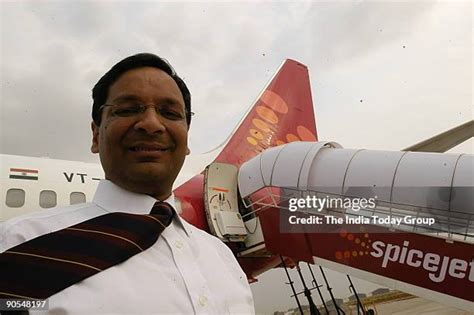
The insolvency process attracted interest from several potential investors hopeful of reviving the grounded airline. Among the prominent bidders was a consortium led by Ajay Singh, the Chairman and Managing Director of rival low-cost carrier SpiceJet, in partnership with Nishant Pitti, the majority stakeholder of Busy Bee Airways and co-founder of the online travel portal EaseMyTrip. Their joint bid, submitted in February 2024, amounted to ₹600 crore (approximately US$71 million). According to the proposal, Nishant Pitti would hold a majority stake of 60% in the revived entity, with the remaining 40% held by Ajay Singh. A key component of their plan to address Go First’s staggering total dues—pegged at ₹11,463 crore (US$1.4 billion), including claims from vendors, lessors, and lenders—involved monetizing two valuable land parcels owned by Go First in Mumbai. The consortium envisioned restarting operations with an initial fleet of 15 aircraft, a significantly scaled-down operation compared to Go First’s previous size but a practical starting point. Another notable bidder in the fray was Sharjah-based Sky One FZE, indicating international interest in the Indian carrier’s assets and routes. The emergence of these bids offered a potential, albeit challenging, path forward for Go First, contingent on the viability of the proposals and the agreement of its creditors.
The Final Blow: Mass Aircraft Deregistration
Any lingering hopes for a swift operational restart under new ownership faced a monumental setback in the spring of 2024. On May 1, 2024, the Directorate General of Civil Aviation (DGCA), India’s aviation regulator, took the decisive step of deregistering all 54 aircraft that had been leased to Go First. This action followed a crucial order from the Delhi High Court issued on April 26, 2024, which sided with the aircraft lessors. Since Go First filed for bankruptcy in May 2023, these international lessors had been embroiled in a fierce and protracted legal battle. They fought relentlessly against the airline’s former owner (Wadia Group), its lenders, and the resolution professional appointed under the insolvency proceedings to regain control and possession of their highly valuable assets. The DGCA’s deregistration effectively cleared the path for these lessors to repossess their aircraft and redeploy them elsewhere, significantly diminishing the tangible assets available for any potential revival of Go First as it was previously structured. This development was a critical blow, making any restart exponentially more difficult as it would require sourcing an entirely new fleet.
Corporate Stewardship and Headquarters
Throughout its operational history, Go First (and GoAir) was headquartered in the Wadia International Center, located in Worli, Mumbai, reflecting its lineage as part of the Wadia Group. The airline saw several leadership changes over the years. Jehangir Wadia, the founder, served as the managing director from its inception until his resignation in 2021, guiding the airline through its formative years and initial growth phases. In April 2016, Wolfgang Prock-Schauer, who was then the CEO, took on the additional responsibility of joint Managing Director, bringing his extensive international aviation experience to the airline’s leadership. Later, in August 2020, amidst the challenges of the COVID-19 pandemic, Kaushik Khona was appointed as the Chief Executive Officer. Khona helmed the airline during its rebranding to Go First and the turbulent period leading up to the insolvency filing, eventually stepping down from his position in November 2023 as the company navigated its financial crisis.

Evolution of an Identity: Go First’s Livery
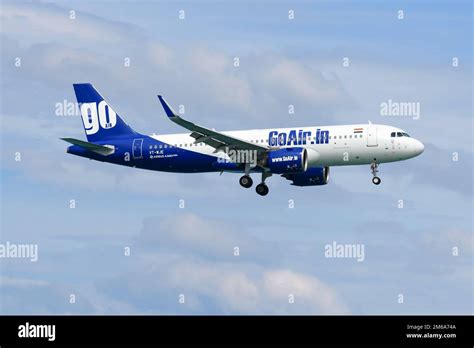
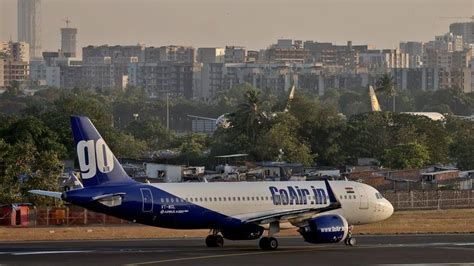
The visual identity of an airline is a crucial aspect of its brand, and Go First’s aircraft livery evolved significantly over its lifespan. In its early days as GoAir, aircraft were often seen in varied color schemes, predominantly featuring combinations of blue and pink, with the distinctive GoAir logo emblazoned on the tail. This initial approach allowed for some visual diversity within the fleet. However, in 2011, the airline decided to standardize its appearance, announcing that all its aircraft would be repainted into a new, uniform grey color scheme. This move aimed to create a more consistent and professional brand image. A more dramatic transformation occurred on May 13, 2021, when GoAir was rebranded as Go First. This rebranding introduced a vibrant new blue color scheme and a fresh livery design, intended to signify a new era for the airline, emphasizing its customer-first approach and modern outlook. This bright blue livery became the airline’s signature look until it ceased operations.
Network Reach: Destinations Served by Go First
Prior to the suspension of its operations, Go First had established a considerable network, connecting numerous cities across India and select international destinations. As of March 2020, just before the full impact of the pandemic, Go First operated flights to a total of 39 destinations. This network comprised 29 domestic Indian cities and 10 international locations. The airline was operating approximately 325 daily flights, indicating a robust operational tempo. After becoming eligible for international operations in June 2016, Go First strategically expanded its reach beyond Indian borders. Its inaugural international flight on October 11, 2018, from Delhi to Phuket, Thailand, was followed by services to other key international destinations, catering to both leisure and business travelers, primarily in the Middle East and Southeast Asia. This expansion into international routes was a key part of its growth strategy before operational challenges curtailed its ambitions.
Fleet Composition and Ambitious Development Plans
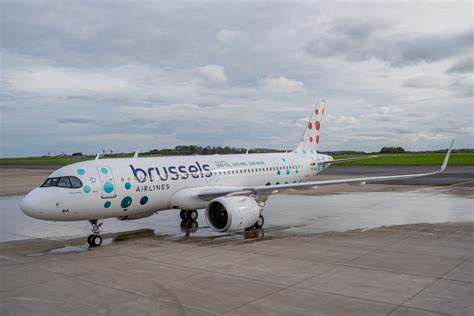
Go First operated an all-Airbus A320 family fleet, a common strategy among low-cost carriers for maintaining operational efficiency and reducing maintenance complexity. Before ceasing operations, its fleet comprised two main variants of the popular narrow-body jet. There were 5 Airbus A320-200 aircraft, each configured with 180 seats, which were integrated into the fleet (under the Go First branding context) from 2021 and operated until the grounding in 2023. The more modern and fuel-efficient component of the fleet consisted of 49 Airbus A320neo (New Engine Option) aircraft, each with a higher seating capacity of 186 passengers. These A320neos were also introduced from 2021, forming the backbone of its operations. The airline had significant fleet expansion plans, underscored by a substantial order book. In June 2011, Go First (then GoAir) placed a landmark order for 72 Airbus A320neo aircraft, valued at approximately ₹32,400 crore (US$3.8 billion). Deliveries for these aircraft were initially expected by the second quarter of the 2015-16 financial year, but Airbus announced in December 2015 that these would be delayed by about three months due to technical issues with the new engines. The first A320neo was eventually delivered to GoAir on June 1, 2016, with an anticipated induction rate of 12-15 aircraft per year. Furthering its commitment to fleet modernization and expansion, Go First signed a Memorandum of Understanding (MoU) with Airbus in July 2016 at the Farnborough Airshow for an additional 72 Airbus A320neo aircraft, a deal valued at US$7.7 billion, potentially bringing its total A320neo orders to 144. At the time it ceased operations in May 2023, only 26 of its aircraft were operational; the remaining 28 were grounded, primarily due to the aforementioned engine issues with Pratt & Whitney. The subsequent deregistration of all 54 leased aircraft by the DGCA in May 2024 effectively dismantled this fleet.
Passenger Experience: Services and Loyalty Initiatives
As a budget airline, Go First adhered to the low-cost carrier model by not including complimentary meals in its standard ticket prices. Instead, it offered a buy-on-board service, allowing passengers to purchase a variety of in-flight meal options, snacks, and beverages. To keep passengers engaged, the airline published an in-flight magazine titled “Go-getter,” which featured travel articles, lifestyle content, and information about Go First’s destinations and services. Recognizing the demand for enhanced comfort and convenience from a segment of its travelers, Go First also offered a premium service called “Go Business.” Passengers opting for Go Business, at a higher fare, enjoyed several perks, including seats with greater legroom, complimentary meals, an increased baggage allowance, and priority boarding services. In an effort to cultivate customer loyalty, Go First launched its frequent flyer programme in 2011, named “Go Club.” This program offered members benefits such as lounge access at airports and opportunities for free upgrades to the Go Business class. However, the airline discontinued new memberships for the Go Club in February 2014, streamlining its loyalty offerings.
Recognition and Accolades
Over the years, Go First, in its earlier incarnation as GoAir, received recognition from various industry bodies for its operational performance and service quality. In 2008, the Pacific Area Travel Writers Association (PATWA) honored GoAir as the “Best Domestic Airline For Excellence in Quality and Efficient Service.” This award acknowledged its commitment to providing a reliable and high-quality travel experience for its passengers. Later, in 2011, the airline received a significant technical accolade from Airbus, the aircraft manufacturer. GoAir was named the “Best Performing Airline” in Asia and Africa among all Airbus A320 operators. This recognition was based on key performance metrics such as fleet utilization, operational reliability, and other technical performance indicators, highlighting the airline’s efficiency in managing its Airbus fleet during that period.
The Abrupt End: Legacy of Go First in Indian Skies
The journey of Go First, from its ambitious launch as GoAir to its sudden grounding, serves as a stark reminder of the volatile and challenging nature of the global, and particularly the Indian, aviation industry. Founded with a vision of providing affordable air travel, the airline navigated numerous economic cycles, intense competition, and fluctuating fuel prices for over seventeen years. Its strategy of prioritizing profitability over aggressive market share acquisition appeared prudent for a long time. However, the critical dependency on a single engine supplier for its new-generation fleet, Pratt & Whitney, and the subsequent large-scale technical failures proved to be an insurmountable obstacle. The grounding of a significant portion of its fleet led to a catastrophic loss of revenue, ultimately forcing the airline into insolvency. The story of Go First underscores the profound impact that external dependencies, such as supplier performance and global supply chain stability, can have on an airline’s viability, even one with a strong parentage like the Wadia Group. Its cessation of operations left a void in the Indian aviation market and served as a cautionary tale about the multifaceted risks inherent in the airline business, where fortunes can change dramatically despite years of careful navigation.