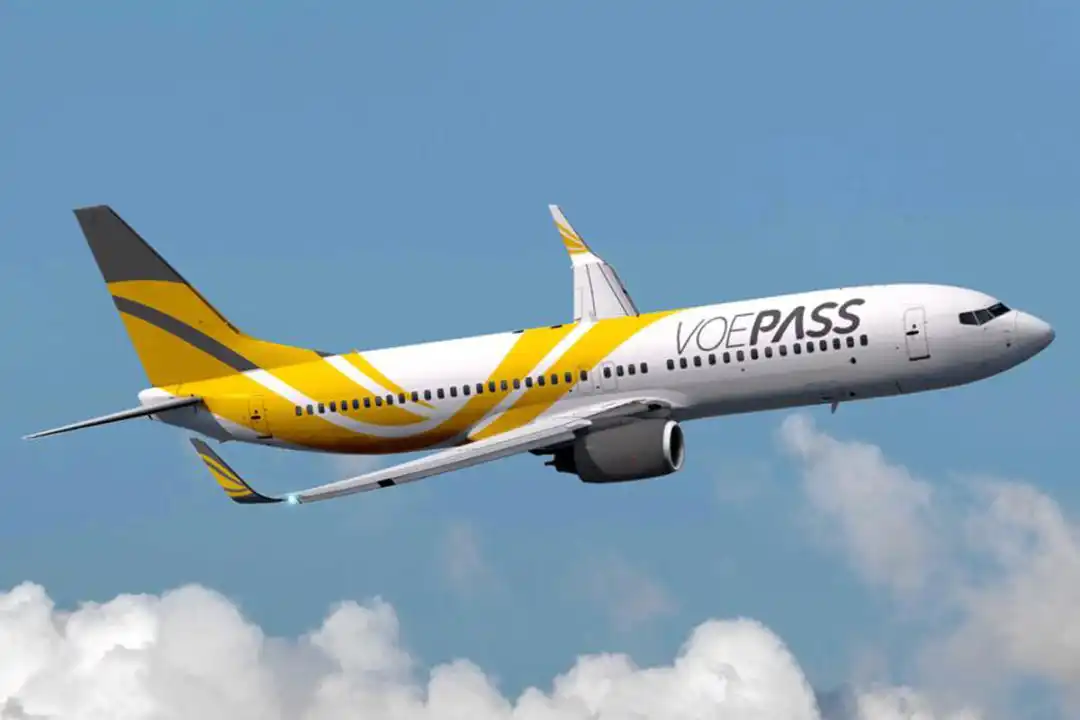
VOEPASS Linhas Aéreas, a name once synonymous with regional aviation in Brazil, tells a gripping story of ambition, resilience, and eventual collapse. Founded in 1995 by José Luiz Felício, the airline, originally known as Passaredo Transportes Aéreos, was based at Leite Lopes Airport in Ribeirão Preto. With humble beginnings operating two Embraer EMB-120 Brasília aircraft, the company quickly carved a niche in Brazil’s regional market. Over nearly three decades, VOEPASS underwent multiple transformations, partnerships, and setbacks, culminating in a dramatic downfall in 2025 that shook the Brazilian aviation sector.
By May 2025, VOEPASS maintained a modest fleet of 10 ATR turboprops but had ceased active operations, marking the end of a tumultuous chapter in South American aviation history.
Foundations and Early Expansion
VOEPASS commenced operations on July 3, 1995, capitalizing on underserved regional routes across Brazil. The airline’s strategy was straightforward: connect small- and mid-sized cities to major urban hubs. In 1997, VOEPASS ambitiously expanded by introducing two Airbus A310-300 aircraft for charter services, aiming to diversify its revenue streams. However, the 1999 “Samba Effect”—a financial crisis that destabilized Brazil’s currency—forced the airline to recalibrate. The company swiftly returned the ATR-42-300s it had introduced and began scaling back.
The downturn culminated in the suspension of all operations on April 4, 2002, marking its first significant crisis.
The Resurgence: Passaredo Reborn
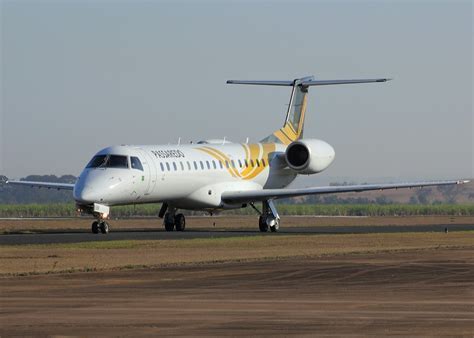
Demonstrating remarkable resilience, the airline relaunched in March 2004 as Passaredo Linhas Aéreas. Initially relying again on the EMB-120s, the company progressively expanded its fleet and network. Between 2008 and 2009, VOEPASS integrated five ERJ-145 jets, enabling it to broaden its reach to Brazil’s major cities. This strategic pivot allowed the airline to secure its position as the country’s second-largest regional carrier.
The 2010s marked a period of operational sophistication. In 2010, the airline added the ERJ-135 to its fleet and, by 2011, fully retired its aging EMB-120s. Key alliances during this decade included partnerships with GOL Linhas Aéreas (2010–2014) and TAM (later LATAM) starting in 2014, positioning VOEPASS as a critical connector in Brazil’s complex aviation network. The acquisition of 10 ATR 72-600s in 2012, despite financial turbulence that led to judicial reorganization, underscored its commitment to modernization.
Modernization and Strategic Partnerships
In 2014, VOEPASS earned a seven-star safety rating, bolstering its public image. Yet, challenges persisted. The airline re-established its partnership with GOL in 2017 and even explored acquisition by Itapemirim Group, though the deal fell through.
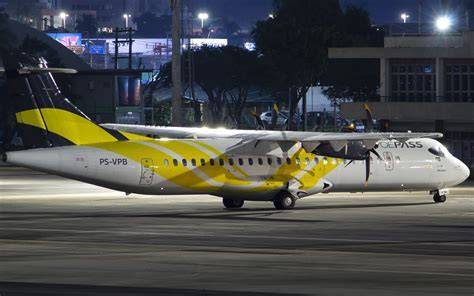
A pivotal transformation occurred in 2019 when the airline rebranded as VOEPASS Linhas Aéreas following the acquisition of MAP Linhas Aéreas. This move was designed to consolidate regional operations and enhance competitive positioning. However, after selling MAP’s Amazon-focused assets to GOL in 2021, VOEPASS’s strategic direction became increasingly convoluted.
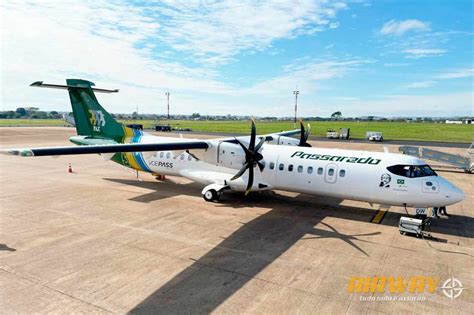
The early 2020s were characterized by efforts to stabilize and grow. VOEPASS joined the International Air Transport Association (IATA) and the Latin American & Caribbean Air Transport Association (ALTA) in 2022, signaling its intent to uphold international operational standards. In 2023, the airline expanded its codeshare agreement with LATAM to encompass over 13 regional destinations and launched exclusive charter services in partnership with CVC Viagens, aiming to diversify its income base amid rising competition.
Tragedy and Decline
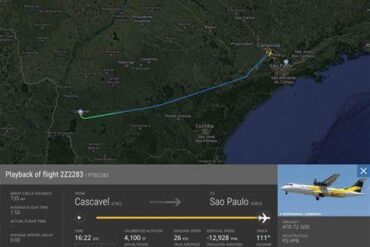
Despite these ambitious moves, VOEPASS’s trajectory took a tragic turn on August 9, 2024, with the crash of Flight 2283—an ATR 72-500 aircraft operating between Cascavel and Guarulhos. The accident claimed the lives of all 62 people onboard, marking one of the darkest days in Brazilian aviation history. A preliminary report by CENIPA pointed to potential ice accumulation on critical aircraft components as the cause.
This disaster severely eroded public trust and triggered internal upheaval. VOEPASS dismissed several safety executives and suspended its self-ticket sales platform on November 7, 2024. Regulatory scrutiny intensified, with ANAC imposing fines totaling R$4.4 million over the years, culminating in the suspension of the airline’s Air Operator Certificate (AOC) on March 11, 2025.
Bankruptcy and Market Exit
Following the regulatory clampdown, VOEPASS spiraled toward insolvency. On April 14, 2025, the majority of its workforce was laid off, signaling an imminent shutdown. Less than two weeks later, on April 23, VOEPASS filed for bankruptcy protection, citing debts amounting to R$209.2 million. By the end of April, a Brazilian court had frozen the airline’s assets to safeguard severance payments for displaced employees.
The collapse of VOEPASS underscored systemic issues within the airline, particularly concerning safety management systems (SMS) and financial oversight. The once-promising carrier had transitioned from a symbol of regional connectivity to a cautionary tale of operational overreach and managerial missteps.
Fleet Overview and Legacy
As of May 2025, VOEPASS’s remaining fleet included:
- 2 ATR 42-500 (48 seats)
- 8 ATR 72-500 (68 seats)
Each aircraft was named after Brazilian birds, reflecting the airline’s deep-rooted national identity. Over the years, VOEPASS had operated a diverse mix of aircraft, including seven EMB 120ERs, two Airbus A310-300s, and 15 ERJ-145s, among others. The airline’s ability to adapt its fleet composition to shifting market demands was notable, even if it ultimately proved insufficient to sustain long-term viability.
While VOEPASS no longer graces Brazilian skies, its complex history—marked by innovation, resilience, and tragedy—offers valuable lessons for the global aviation community. It serves as a stark reminder of the delicate balance between growth, safety, and financial stewardship required to thrive in the highly competitive airline industry.