India’s fast-rising aviation market may be on the verge of delivering one of the largest commercial aircraft order pipelines in modern aerospace history. Following the announcement of an interim trade framework between the United States and India, Commerce Minister Piyush Goyal signaled that Indian carriers are prepared to place Boeing aircraft orders valued between $70 billion and $80 billion, a figure that could exceed $100 billion once engines, maintenance packages, and spare parts are included.
The proposed purchases sit within a broader policy pledge in which India would acquire roughly $500 billion in U.S. goods over five years, with negotiators targeting a finalized trade agreement as early as March. While the aircraft component is not yet a single binding contract, the scale of the signal reflects the extraordinary pace at which India’s airline sector is expanding—fueled by rising middle-class travel demand, airport infrastructure investment, and aggressive airline fleet modernization.
From a market-signaling perspective, the headline number functions less as a government procurement order and more as a strategic demand pipeline likely to materialize through multiple airline agreements over time.
India’s Airline Expansion Driving Aircraft Demand
India has rapidly transformed into one of the world’s most contested aviation growth arenas. Carriers are racing to add narrowbody jets for domestic routes while simultaneously building long-haul fleets to connect Indian metros with North America, Europe, and Southeast Asia.
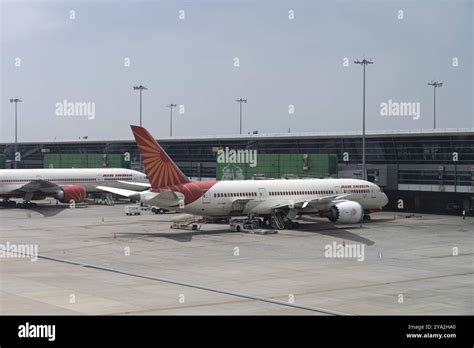
Air India and Akasa Air sit at the center of Boeing’s opportunity set. Both airlines have already committed heavily to the Boeing 737 MAX family, positioning the aircraft as a backbone of short-haul expansion. In January alone, Air India added 40 additional 737 MAX jets to its order book, reinforcing its dual strategy of domestic frequency growth and regional international connectivity.
Widebody demand is rising in parallel. India’s long-haul ambitions require aircraft capable of sustained intercontinental operations, and Boeing’s larger platforms are natural candidates as airlines open new nonstop routes.
Tariff adjustments embedded in the trade framework could materially reshape purchasing economics. Reduced duties on U.S. aerospace imports would lower acquisition costs for aircraft, engines, and replacement components, improving return calculations for airlines planning multiyear fleet expansion.
Financial Realities Behind the $80 Billion Headline
The eye-catching valuation attached to the prospective order requires careful interpretation. Commercial aircraft rarely transact at list price. Final deal values depend on volume discounts, financing structures, training packages, and long-term service agreements.
Equally important is revenue timing. Boeing recognizes the bulk of aircraft revenue at delivery, not at order signing. Even if commitments crystallize quickly, the cash flow impact would unfold across years—often decades—of staged deliveries and pre-delivery deposits.
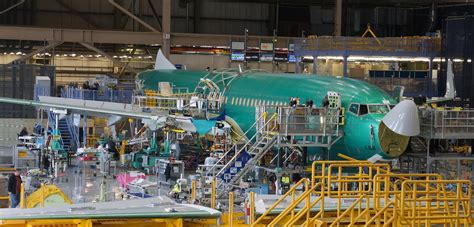
Supply chain execution also looms large. Global aerospace manufacturing remains capacity-constrained, with certification timelines, labor availability, and component bottlenecks influencing production rates. Indian airlines may seek accelerated delivery slots, but Boeing’s ability to scale output while maintaining quality standards will shape program profitability.
On the buyer side, macroeconomics cannot be ignored. Aircraft are priced in U.S. dollars, making Indian carriers sensitive to interest rate cycles and rupee-dollar exchange movements. A weaker rupee or higher global borrowing costs can push airlines toward leasing structures or delayed deliveries rather than outright purchases.
Strategic Stakes for Boeing in South Asia
If the rumored pipeline matures into firm orders, the implications for Boeing extend well beyond near-term sales volume. India represents one of the few aviation markets capable of delivering sustained double-digit traffic growth over the coming decades.
Deepening fleet penetration would allow Boeing to entrench itself across multiple aviation revenue layers:
- Pilot training ecosystems
- Spare-parts logistics
- Engine maintenance programs
- Digital fleet optimization services
These aftermarket businesses often generate higher margins and recurring revenue long after the original aircraft sale.
The bilateral trade framework adds another strategic dimension. By linking aircraft purchases to broader commerce expansion, the agreement may reduce tariff friction and increase financing confidence among airlines and leasing firms considering large capital commitments.
Manufacturing and Supply Chain Implications
Indian officials and industry reporting suggest that expanded aircraft orders could be paired with increased aerospace sourcing from India. Boeing has steadily grown its supplier ecosystem in the country, spanning aerostructures, avionics components, and engineering services.
Scaling this footprint would serve dual purposes: reinforcing supply chain resilience while aligning with India’s domestic manufacturing ambitions. A deeper industrial presence could also reduce long-term production costs and buffer against geopolitical trade volatility.
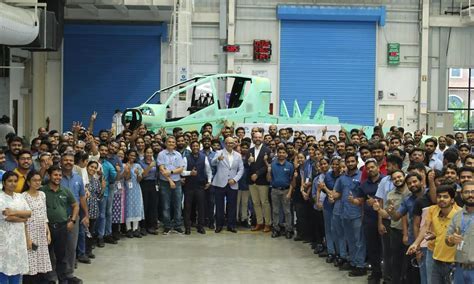
Such localization efforts carry reputational weight as well. Securing a high-visibility win in India would strengthen Boeing’s competitive positioning in global narrowbody and widebody campaigns, particularly as airlines diversify supplier relationships.
Competitive and Market Outlook
The scale of India’s projected fleet growth ensures that competition will remain intense. Airlines typically split orders across manufacturers to hedge operational and financial risk. Even so, an $80 billion Boeing pipeline would represent a commanding foothold in a market expected to add thousands of aircraft over the next two decades.
For India, the deal signals confidence in aviation as a pillar of economic expansion—supporting tourism, trade connectivity, and regional mobility. For Boeing, it offers both backlog depth and long-horizon service revenue in one of aviation’s most dynamic demand corridors.
Should negotiations convert policy signals into binding contracts, the result would not merely be a large order—it would mark a structural alignment between trade diplomacy and commercial aerospace growth, reshaping fleet trajectories across South Asia’s skies for a generation.