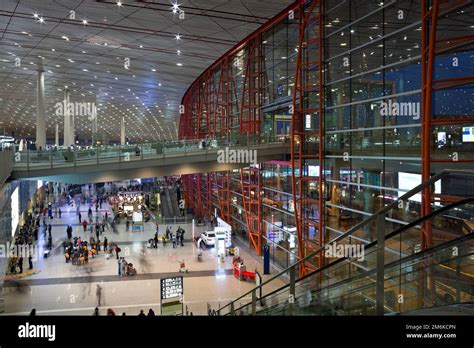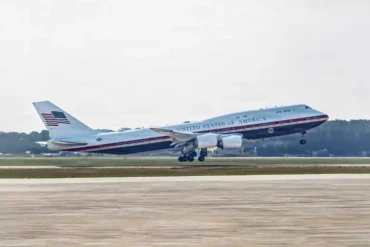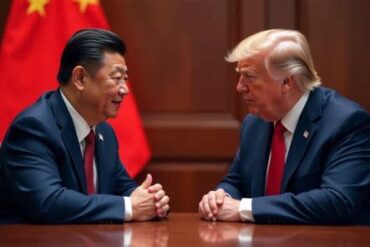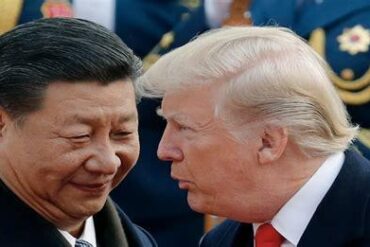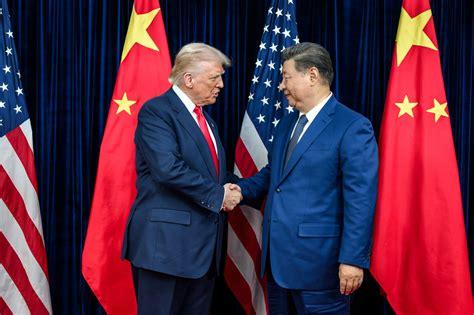
The aviation world is witnessing a dramatic shift as China formally commits to purchasing 200 Boeing commercial aircraft, a move that underscores the renewed momentum between the United States and China following President Donald Trump’s high-profile visit to Beijing. This landmark deal, confirmed by both Boeing and China’s Commerce Ministry, not only revitalizes Boeing’s presence in one of the world’s most coveted markets but also signals a thaw in aviation trade relations after years of turbulence.
The announcement, closely watched by industry analysts, comes after speculation circulated for weeks regarding the potential scale of aircraft orders during the diplomatic summit. Boeing CEO Kelly Ortberg, who accompanied President Trump as part of the US delegation, played a pivotal role in negotiating this agreement. While the immediate order stands at 200 jets, the deal leaves the door open for a significant expansion, with discussions hinting at a potential total of up to 750 aircraft as negotiations continue. This level of commitment represents a strategic win for Boeing, whose 737 MAX program and wider commercial portfolio have faced challenges in the Chinese market over the past decade.
China’s massive order emphasizes not just the number of aircraft but the broader economic implications tied to the deal. The agreement includes engine supply commitments from GE Aerospace, headquartered in Evendale, Ohio, ensuring that the entire value chain of aircraft manufacturing and maintenance remains predominantly American. This aspect of the deal highlights the intertwined nature of trade, diplomacy, and industrial strategy, reinforcing Boeing’s longstanding influence in the region.
Boeing’s Recovery in the Chinese Market
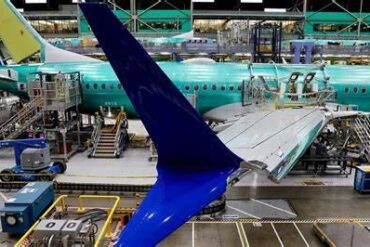
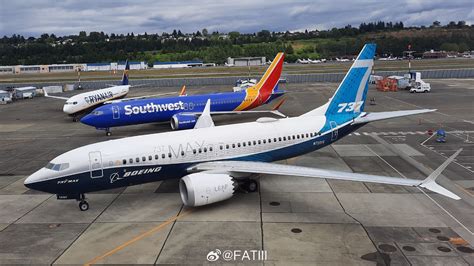
The 200-jet order is more than a transaction; it represents a strategic comeback for Boeing. Over the last decade, Boeing’s efforts in China have been hampered by a series of setbacks, including the prolonged grounding of the 737 MAX fleet and the wider US-China trade tensions, which saw tariffs and regulatory hurdles disrupt commercial aviation sales. In April last year, the situation reached a dramatic peak when China temporarily banned Boeing aircraft deliveries, forcing the company to repatriate planes from its Zhoushan Completion and Delivery Center. These challenges had stifled growth in the Chinese market, making the latest agreement a significant turnaround.
Industry experts note that resuming such a large-scale delivery program indicates both political goodwill and renewed commercial confidence. Boeing’s ability to secure this commitment also reflects broader trade dynamics, signaling a potential easing of tensions that have affected numerous sectors, not just aviation. Analysts predict that with deliveries ramping up, Boeing could consolidate its presence in China and leverage this success to secure additional contracts from regional airlines and other carriers.
China’s Expanding Fleet and Boeing’s Strategic Footprint
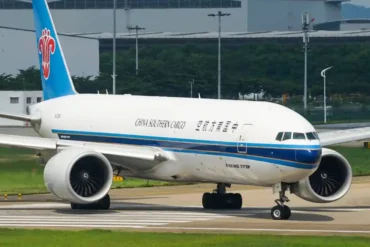
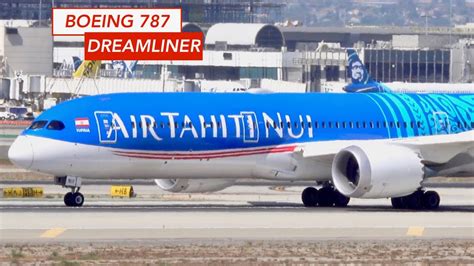
China’s airline operations already feature a substantial Boeing presence. Data from Cirium, an aviation analytics firm, shows that in May 2025 alone, 169,007 Boeing-operated flights were scheduled to depart from Chinese airports, with China Southern Airlines, Hainan Airlines, and China Eastern Airlines leading the fleet utilization. Narrowbody twinjets dominate these operations, particularly the 737 family, which accounts for over 160,000 flights, while widebody jets such as the 787, 777, and 767 collectively account for fewer than 8,500 departures.
This latest order is likely to reshape the operational landscape, increasing both narrowbody and widebody capacities. For airlines, it represents a dual opportunity: modernizing fleets with fuel-efficient models and expanding route networks to meet surging domestic and international demand. For Boeing, it solidifies the company’s competitive position against rival manufacturers, particularly in a market historically dominated by both foreign and emerging domestic aircraft suppliers.
Economic and Diplomatic Significance
Beyond commercial metrics, the Boeing order carries profound economic and diplomatic implications. It signals China’s commitment to sourcing high-tech aerospace products from the United States, potentially easing ongoing trade tensions while reinforcing strategic supply chains. The inclusion of maintenance guarantees and engine parts further demonstrates Boeing’s long-term investment in the region’s aviation infrastructure.
President Trump highlighted the significance of the deal during his visit, noting that the confirmed 200 jets already exceed Boeing’s original forecast of 150 and that continued negotiations could dramatically increase the total. The timing of the agreement, immediately following the summit, illustrates the intersection of political influence and corporate strategy, where high-stakes diplomacy directly translates into billion-dollar commercial outcomes.
In conclusion, China’s confirmation of the 200-jet Boeing order marks a pivotal moment in global aviation. It represents a revival of Boeing’s fortunes in a challenging market, underscores the strategic importance of Sino-American economic collaboration, and sets the stage for further growth in the world’s fastest-expanding airline industry. As deliveries begin and the fleet expands, both Boeing and Chinese carriers stand to benefit from modernized aircraft, improved operational efficiency, and strengthened commercial ties that may define the next era of aviation commerce.